
Description
Keyless Ignition for Mercury | Boat Supply Store
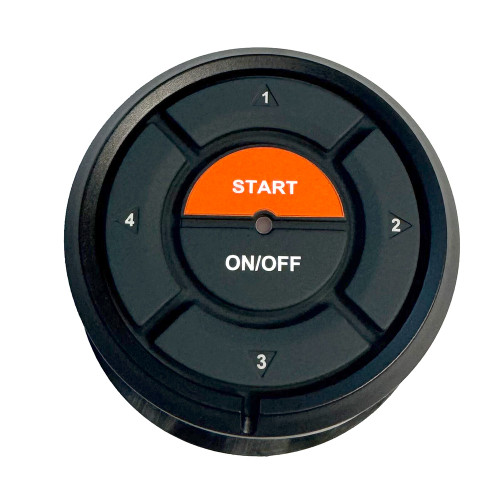
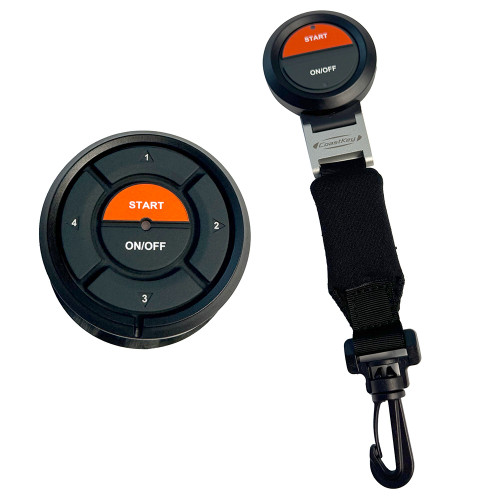
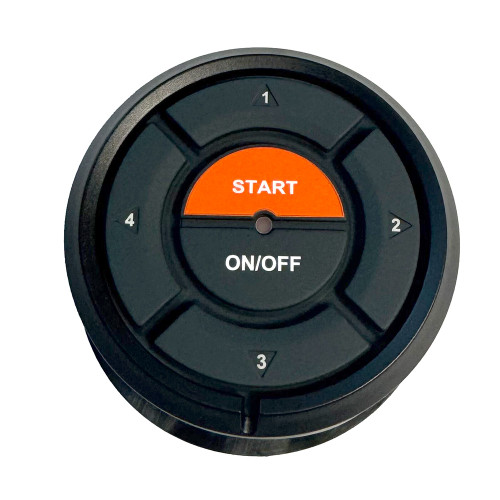
Eliminate the vulnerability and inconvenience of traditional keys with this advanced keyless ignition system specifically engineered for Mercury outboards. The system operates via a secure PIN code entry on a dedicated start panel, integrating seamlessly with newer Mercury engines through plug-and-play connectors for a straightforward installation. This unit includes a control box and necessary cables, providing immediate operational enhancement for a variety of Mercury-powered vessels, from offshore fishing rigs to bay boats navigating the Gulf Coast.
Key Features
- Secure PIN code access to your engine
- Keyless operation eliminates physical key management
- Plug & Play cables for simplified installation on newer Mercury engines
- Integrated start panel fits existing ignition switch cutouts
- Configurable PIN code for personalized access control
- Modernizes your vessel's helm
- Eliminates key fobs and traditional key hassle
- Enhanced security against unauthorized operation
Specifications
| Product Specifications | |
|---|---|
| Ignition System Type | Keyless Ignition |
| Engine Compatibility | Mercury Outboards (newer models with plug-and-play connectors) |
| Access Method | PIN Code Entry |
| Included Components | Start Panel, Control Box, Cables |
| Installation Type (Newer Mercury) | Plug & Play |
Who This Is For
Boat owners operating compatible Mercury engines who prioritize enhanced security and streamlined convenience. This system is ideal for those seeking a modern, keyless ignition solution for frequent or multi-user vessel access.
How It Compares
| Feature | Keyless Ignition for Mercury | Generic Mercury Part |
|---|---|---|
| Ignition Type | Keyless (PIN Code) | Keyed |
| Access Method | PIN Code Entry | Physical Key |
| Lanyard Cord Compatibility | Yes | Yes |
| Ease of Installation (Newer Mercury) | Plug & Play | Standard Wiring |
Common Concerns Answered
Are electronic ignition systems reliable compared to traditional keys?
The CoastKey Basic Quad utilizes robust electronic components designed for marine environments, offering a reliable and secure alternative to mechanical keys. Its PIN-based system minimizes wear and tear associated with physical key insertion and rotation.
What if I forget my PIN code?
While memorization is necessary, the CoastKey system allows for PIN code changes. The manual provides detailed instructions on how to reset or change your PIN, ensuring continued access.
Will this system work with my older Mercury engine?
The Basic Quad is optimized for newer Mercury engines with plug-and-play connectors. Compatibility with older models may require additional wiring or adapters, potentially increasing installation complexity.
Frequently Asked Questions
How do I change the PIN code on the CoastKey Basic Quad?
Refer to the provided ManualURL for step-by-step instructions on changing your PIN code. The process is designed to be user-friendly, allowing you to update your access code at any time.
Can I still use my existing lanyard cord with the CoastKey Basic Quad?
Yes, the CoastKey Basic Quad maintains compatibility with existing lanyard cords, providing an additional layer of safety and the option to use it in conjunction with the keyless system.
Is the CoastKey Basic Quad compatible with all Mercury engines?
This specific model is designed for newer Mercury engines featuring plug-and-play connectors. Compatibility with older Mercury engines may vary and might necessitate additional wiring or adapters.
What is the advantage of keyless ignition over a traditional key?
Keyless ignition offers enhanced security by eliminating physical keys that can be lost or duplicated, provides simplified access control for multiple users via PIN entry, and offers a modern, clean helm appearance without the clutter of keys.
How easy is the installation process for the CoastKey Basic Quad on a Mercury engine?
For newer Mercury engines equipped with plug-and-play connectors, the installation is rated 2/5 in difficulty and is designed as a direct replacement for the existing ignition switch, significantly simplifying the process.