
-
On Sale!

Gasket
$52.50 -
On Sale!

Water Pump Repair Kit Emp
$24.99 -
On Sale!
Sensor Tempurature
$25.59 -
On Sale!
Water Pump Repair Kit Emp
$25.60 -
On Sale!
Distributor Cap Emp
$25.60 -
On Sale!
Switch Emp
$26.00 -
On Sale!
Molded Hose Emp
$26.99 -
On Sale!

Wp Service Kit
$28.99 -
On Sale!

Switch: Hobbs Switch
$31.99 -
On Sale!
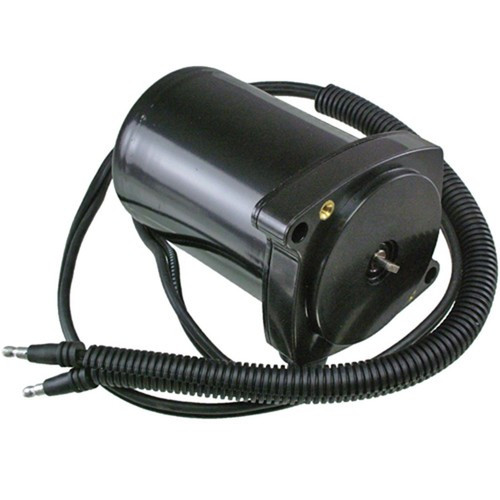
Carburetor Repair Kit
$35.99 -
On Sale!

-
On Sale!

Hidraulic Hose
$50.99 -
On Sale!
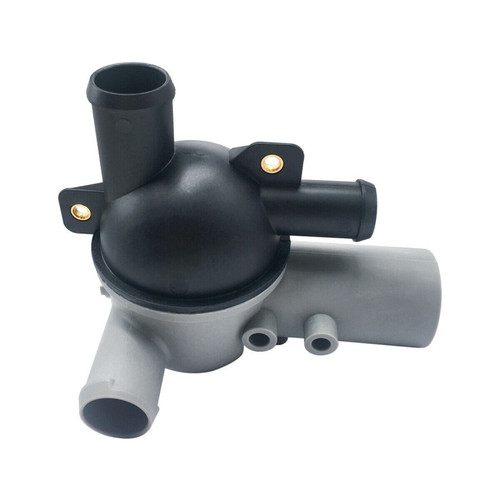
Thermostat Housing
$56.99 -
On Sale!

Power Pack
$75.99 -
On Sale!

Hose
$84.99 -
On Sale!

Cover Thermostat
$111.99 -
On Sale!
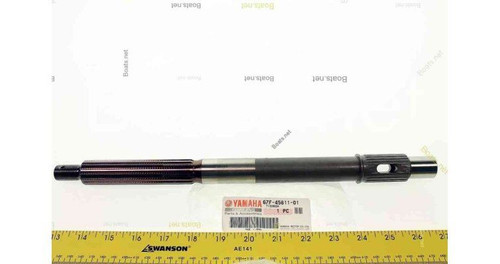
Propeller Shaft
$170.99 -
On Sale!

Bilge Pump 12v 2.8a
$272.99 -
On Sale!

Gasket
$23.99 -
On Sale!

Qdib-C Hub Only 13 Spline
$23.99
Engine
Marine engine parts encompass replacement components and assemblies that maintain or restore propulsion system function, including power trim and tilt systems, ignition components, starter motors, alternators, fuel system parts, and engine-specific electrical assemblies. Boat Supply Store maintains 273 in-stock engine components ranging from basic ignition parts to complete power trim assemblies, representing the core replacement parts that keep outboard and inboard engines operational through seasonal use and long-term maintenance cycles.
Choosing the Right Engine Parts for Your Vessel
Installing the wrong engine component creates cascading failures that strand boats and multiply repair costs. A trim assembly rated for 25HP installed on a 50HP outboard will fail under load within hours, while using automotive-grade electrical components in marine applications leads to corrosion failure and dangerous electrical faults. The marine environment demands parts engineered specifically for constant vibration, saltwater exposure, and the voltage fluctuations inherent to onboard electrical systems.
Key Specifications to Evaluate
Horsepower rating establishes the baseline for any mechanical component selection. Power trim and tilt assemblies are engineered to specific load ranges—a 30HP-60HP unit contains hydraulic components, seals, and motor windings sized for that torque range and cannot be safely substituted across different engine classes. Exceeding these specifications means premature seal failure, motor burnout, and potential loss of engine control during operation.
Marine-grade construction separates functional parts from liability risks. Genuine marine electrical components use tin-plated copper wiring, sealed connectors with dielectric grease, and housings rated for continuous moisture exposure. Starter motors and alternators require sealed bearings and corrosion-resistant hardware that withstand bilge water exposure and salt spray. Components meeting ABYC E-11 standards for ignition protection prevent stray sparks in fuel vapor environments, a critical safety requirement that automotive parts cannot meet.
OEM versus aftermarket quality requires understanding manufacturing standards. Original Equipment Quality replacement parts replicate OEM specifications including materials, tolerances, and testing protocols without the premium pricing of dealer-only parts. Budget aftermarket components may fit mechanically but often use inferior seals, lower-grade metals, and simplified designs that reduce service life. For critical systems like trim assemblies and ignition components, the cost difference between quality replacements and budget parts is negligible compared to the labor cost of premature replacement.
Compatibility verification goes beyond engine brand to model year and serial number ranges. Mercury, Yamaha, and other manufacturers make running changes to mounting patterns, electrical connections, and hydraulic fittings within model years. Cross-referencing part numbers against engine serial number ranges prevents the frustration of mechanically identical parts that cannot physically install due to connector or mounting changes. When selecting electrical components, voltage requirements and amperage ratings must match original specifications to prevent overheating and electrical system damage.
Power Trim and Tilt System Specifications by Engine Size
| Engine Range (HP) | Hydraulic Pressure (PSI) | Current Draw (Amps) | Typical Cycle Time (Seconds) |
|---|---|---|---|
| 25-40 HP | 1200-1500 | 15-20 | 8-10 |
| 40-60 HP | 1500-1800 | 20-25 | 6-8 |
| 75-115 HP | 1800-2200 | 25-35 | 5-7 |
| 150+ HP | 2200-2500 | 35-50 | 4-6 |
Price Guide: What to Expect at Each Budget Level
Budget tier: $13.99–$85 — Basic maintenance items including ignition components, fuel system connectors, gaskets, and small electrical parts. This range covers consumable items and simple replacement parts that require frequent replacement as part of routine maintenance. Suitable for DIY mechanics handling standard service intervals on well-maintained engines.
Mid-range tier: $85–$350 — Quality replacement electrical components including starter motors, alternators, voltage regulators, and marine-grade ignition systems. Most boaters purchasing engine parts land in this range because it represents the intersection of reliability and value for components that must withstand marine conditions but don't require the complexity of major mechanical assemblies. Parts in this tier typically include manufacturer warranties and meet ABYC standards.
Premium tier: $350–$1055.99 — Complete power trim and tilt assemblies, remanufactured powerheads, and major mechanical assemblies requiring precise engineering and marine-specific materials. These components represent critical systems where failure creates safety hazards or complete loss of propulsion. The premium reflects hydraulic complexity, sealed motor construction, and the testing required to ensure reliable operation under full engine loads in harsh marine environments.
How the Top Engine Parts Compare
| Feature | ARCO Marine Power Tilt Trim Assembly |
|---|---|
| Engine Compatibility | Mercury 30HP-60HP |
| Construction Type | Original Equipment Quality Replacement |
| Hydraulic System | Complete assembly with motor and pump |
| Warranty Coverage | Marine-grade components with manufacturer backing |
| Installation | Direct bolt-on replacement |
Our Top Picks for Engine
This selection represents the critical power trim category where reliability and proper engineering prevent expensive engine damage and maintain vessel control.
ARCO Marine Original Equipment Quality Replacement Mercury Power Tilt Trim Assembly - 30HP-60HP
ARCO Marine | $1055.99
Complete hydraulic trim and tilt replacement engineered to OEM specifications for Mercury mid-range outboards with sealed motor construction and marine-grade seals.
- Direct replacement for Mercury 30-60HP engines eliminating the need for hydraulic system modifications or custom mounting fabrication while providing the pressure ratings and cycle times required for proper engine positioning under load
Trusted Engine Brands We Carry
ARCO Marine dominates the marine electrical and engine component aftermarket with over 105 products in our inventory, representing three decades of reverse-engineering OEM components to deliver Original Equipment Quality replacements at competitive pricing. Their starter motors, alternators, and power trim assemblies undergo the same saltwater corrosion testing and vibration protocols as dealer parts while maintaining broader cross-reference compatibility across engine brands. Sierra Marine Products and CDI Electronics round out the quality tier with ignition components and electrical parts that meet ABYC standards without requiring dealer-only sourcing. For critical power systems where electrical failure means loss of propulsion or starting capability, these brands represent the intersection of marine-specific engineering and accessible pricing that independent mechanics and boat owners rely on for dependable repairs.
Frequently Asked Questions
Can I use an automotive starter motor or alternator on my marine engine if the mounting pattern matches?
Never install automotive electrical components on marine engines regardless of physical fit. Marine starters and alternators require ignition protection per ABYC E-11 standards, using sealed housings and spark-suppression designs that prevent ignition of fuel vapors in engine compartments. Automotive units lack these safety features and create explosion hazards. Marine alternators also use different voltage regulator settings optimized for battery charging in systems with house and starting battery banks. Beyond safety, automotive components use untreated steel hardware and unsealed bearings that corrode rapidly in marine environments, typically failing within one season of saltwater exposure.
How do I verify a power trim assembly will fit my specific outboard model year?
Match three specifications: engine horsepower range, manufacturer model series, and serial number range. Manufacturers make running changes to mounting bolt patterns, hydraulic fitting sizes, and electrical connector types within the same model designation. Cross-reference the replacement part number against your engine's serial number using the manufacturer's parts diagram or a quality marine parts supplier's compatibility database. Pay particular attention to transition years when manufacturers updated designs—a 2003 Mercury 50HP may use different trim components than a 2004 model despite identical displacement and horsepower ratings. Hydraulic fitting thread pitch and electrical connector pin counts must match exactly to ensure proper installation.
What causes premature failure in marine power trim and tilt systems?
Hydraulic fluid contamination and seal degradation account for most premature trim failures. Water intrusion through damaged reservoir seals introduces corrosion and depletes hydraulic additives, causing internal component wear and erratic operation. Operating trim systems while the engine is off creates extreme current draw that overheats motor windings and degrades electrical connections. Forcing trim operation when the system encounters mechanical resistance damages hydraulic pumps and strips internal gears. Regular fluid inspection, maintaining proper fluid levels, and bleeding air from hydraulic lines after component replacement extends service life significantly. In saltwater environments, flushing external components with freshwater after each use prevents salt crystal buildup that corrodes seals and electrical terminals.
Are Original Equipment Quality replacement parts actually comparable to OEM dealer parts?
Genuine Original Equipment Quality parts replicate OEM specifications including materials, dimensional tolerances, and performance characteristics without the dealer markup. Reputable manufacturers like ARCO Marine reverse-engineer OEM components and subject replacements to identical testing protocols for marine environments. The key distinction is quality aftermarket versus budget aftermarket—quality replacements use marine-grade materials like tin-plated copper wiring, sealed bearings, and corrosion-resistant housings that match or exceed original specifications. Budget alternatives may fit mechanically but substitute inferior materials or simplify internal designs. For critical components like trim assemblies, starters, and alternators, Original Equipment Quality parts from established marine suppliers provide OEM reliability at 30-50% cost savings compared to dealer-only parts.
What maintenance intervals should I follow for marine engine electrical components?
Inspect all electrical connections quarterly for corrosion, applying dielectric grease to terminals showing any oxidation or discoloration. Test starter motor draw amperage annually—current draw exceeding manufacturer specifications by 20% indicates bearing wear or armature problems requiring replacement before failure. Check alternator output voltage and amperage under load each season to verify proper charging system function. Power trim and tilt systems require hydraulic fluid inspection every 100 hours of operation or annually, whichever comes first, with complete fluid replacement every three years. In saltwater environments, flush external trim components with freshwater after each use and inspect hydraulic rams for seal weepage monthly. Terminal connections on starters and alternators should be removed, cleaned with electrical contact cleaner, and reinstalled with marine-grade anti-corrosion compound annually to prevent the resistance buildup that causes voltage drop and starting problems.
Need help selecting the right engine parts for your vessel? Contact our technical support team for a free system review — we'll help you spec the right components for your boat's requirements.