
-
On Sale!
-
On Sale!
-
On Sale!

-
On Sale!

-
On Sale!
-
On Sale!

-
On Sale!
-
On Sale!
-
On Sale!
-
On Sale!

-
On Sale!
-
On Sale!
-
On Sale!

-
On Sale!

-
On Sale!

-
On Sale!
-
On Sale!
-
On Sale!

-
On Sale!

-
On Sale!
Watersports
Watersports equipment encompasses ballast systems, tow ropes, life vests, boarding accessories, and safety gear designed specifically for wakeboarding, water skiing, tubing, and towsports activities. Boat Supply Store carries 57 in-stock watersports products ranging from $20.99 to $675.99, featuring ballast bags engineered for custom boat configurations, USCG-approved flotation devices, and professional-grade tow systems built to handle dynamic loads in marine environments.
Choosing the Right Watersports Equipment for Your Vessel
The most common mistake in watersports outfitting is mismatching ballast capacity to hull design, which creates dangerous handling characteristics and unpredictable wake shapes. A 1,200-pound ballast bag installed in the wrong location can shift the center of gravity beyond safe operating limits, especially during turns or when taking on chop. Equipment failure during towsports creates immediate safety hazards—a compromised tow rope at tension can recoil violently, while improperly sized flotation devices won't keep an unconscious rider face-up in the water.
Key Specifications to Evaluate
Ballast systems are rated by capacity in pounds, fill/drain time, and material construction. Heavy-duty PVC or reinforced vinyl in 1000-denier or higher resists abrasion against hull surfaces and maintains shape under load. Custom-fit bags designed for specific hull models distribute weight correctly without shifting during operation. Generic bags require careful placement and often need supplemental securing beyond factory tie-downs. Fill systems integrate with existing plumbing or use dedicated pumps rated for the bag volume—a 1,200-pound bag holds roughly 144 gallons and requires adequate flow rates to fill in under 10 minutes.
Tow ropes are specified by break strength, which must exceed the maximum dynamic load by a 3:1 safety factor minimum. A 200-pound rider on a wakeboard generates approximately 600-800 pounds of tension during aggressive cuts, requiring a rope rated for 2,400 pounds minimum. Rope diameter affects handle feel and stretch characteristics—thicker ropes (3/8" to 7/16") provide more feedback but less elasticity, while thinner competition ropes offer controlled stretch that smooths out load spikes. UV-resistant polyethylene construction maintains strength after saltwater exposure, unlike cheaper polypropylene that degrades rapidly.
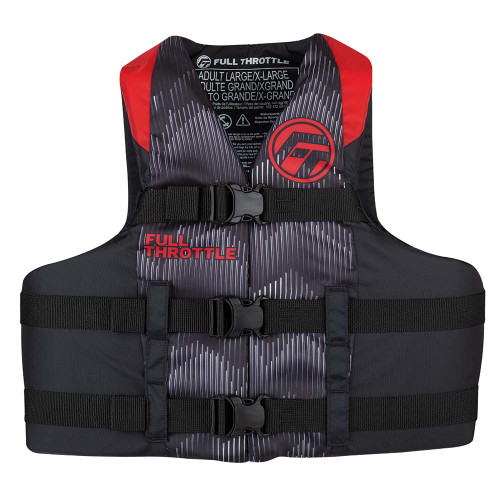
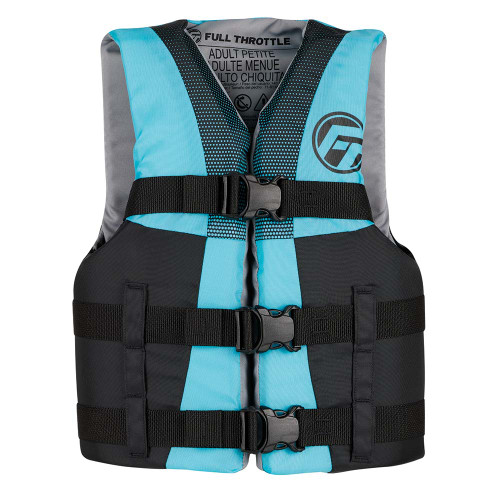
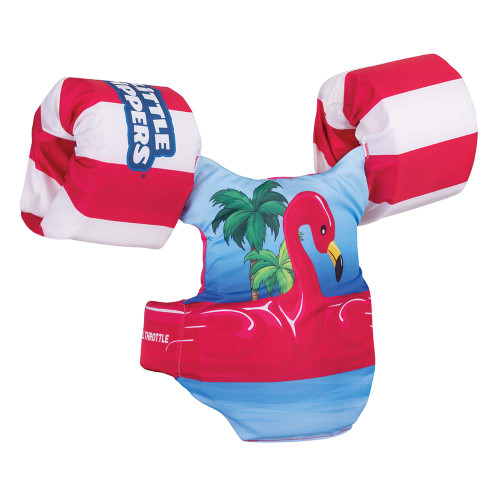
Personal flotation devices for watersports must meet USCG Type III approval minimum, with specific designs addressing impact protection and range of motion. Neoprene construction provides better fit and comfort than nylon shells, conforming to body shape without riding up during falls. Segmented foam panels allow torso rotation for wakeboarding and skiing, while competition vests reduce thickness to barely legal minimums for unrestricted movement. Riders over 90 pounds typically need adult sizing with 15.5+ pounds of buoyancy, while youth vests are Coast Guard-approved by specific weight ranges with additional flotation to account for panic scenarios.
Wake shapers and surf systems alter hull flow to create rideable waves without ballast alone. These bolt-on or suction-mount devices redirect water along one side of the transom, though effectiveness varies dramatically by hull shape. Deep-V hulls need more ballast and longer surf tabs, while purpose-built wakeboard boats achieve usable wakes with modest weight. Compatibility with existing hardware mounting points determines installation complexity—aftermarket systems often require drilling through gelcoat and backing plates to handle lateral loads.
Ballast Capacity Recommendations by Boat Length
| Boat Length | Minimum Ballast (lbs) | Optimal Ballast (lbs) | Maximum Recommended (lbs) |
|---|---|---|---|
| 18-20 feet | 400 | 800-1,000 | 1,200 |
| 21-23 feet | 800 | 1,200-1,600 | 2,000 |
| 24-26 feet | 1,200 | 1,800-2,400 | 3,000 |
| 27+ feet | 1,600 | 2,400-3,200 | 4,000+ |
Price Guide: What to Expect at Each Budget Level
Budget tier: $20.99–$150 — Generic tow ropes with basic handles, universal-fit life vests with nylon shells, and entry-level accessories like ski flags and rope keepers. Suitable for recreational tubing and casual skiing where equipment sees light use and riders prioritize cost over performance. Materials meet minimum USCG standards but lack durability features for frequent saltwater exposure.
Mid-range tier: $150–$400 — Purpose-built flotation devices with segmented neoprene construction, competition-spec tow ropes with low-stretch cores, and mid-capacity ballast bags (400-800 lbs) in reinforced vinyl. This tier represents the sweet spot for serious recreational riders who spend 20+ days per season on the water. Components balance performance with longevity and include marine-specific corrosion resistance.
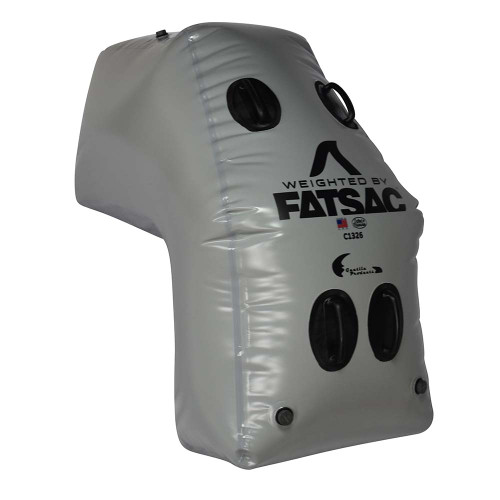
Premium tier: $400–$675.99 — Custom-fit ballast systems like the FATSAC Yamaha Jet Boat bags engineered for specific hull models, professional-grade competition vests, and integrated wake systems with pump packages. These products deliver maximum performance for dedicated wakeboard/surf boats and competitive riders. Custom-molded bags eliminate installation guesswork and optimize weight distribution for factory-level wake quality.
How the Top Watersports Products Compare
| Feature | FATSAC Yamaha 27' Ballast Bag |
|---|---|
| Capacity | 1,200 lbs / 144 gallons |
| Material | Heavy-duty reinforced PVC |
| Fitment | Custom-molded for Yamaha 27' jet boats |
| Installation | Drop-in design with factory tie-down integration |
| Best For | Yamaha jet boat owners requiring optimal weight distribution |
Our Top Picks for Watersports
These products represent the best combination of marine-grade construction, proven reliability, and value across different watersports applications.
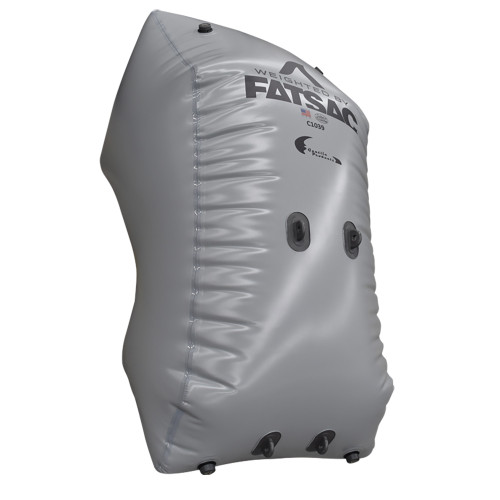
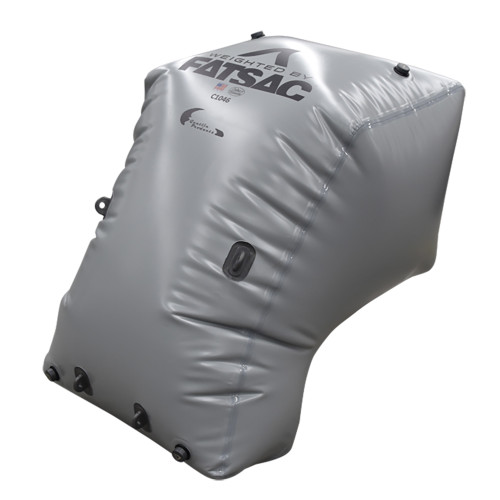
FATSAC Yamaha Jet Boat Custom 27' - 1,200lb Ballast Bag - Grey
FATSAC | $659.99
Custom-molded ballast bag engineered specifically for Yamaha 27-foot jet boat hulls, delivering 1,200 pounds of optimally distributed ballast without installation complexity.
- Precision fitment eliminates shifting and maximizes usable storage space while integrating with factory drainage and tie-down points for professional wake performance on jet drive platforms.
Trusted Watersports Brands We Carry
Full Throttle dominates our watersports selection with 29 products averaging $71.02, specializing in USCG-approved flotation devices engineered for towsports impact protection and unrestricted movement. FATSAC sets the standard for ballast systems with custom-molded bags that match specific hull geometries, eliminating the trial-and-error of universal bags while maximizing weight efficiency. These manufacturers maintain consistent product availability and honor marine-specific warranties that account for saltwater exposure and UV degradation—critical factors in equipment that lives onboard season after season.
Frequently Asked Questions
How much ballast weight do I need to create a surfable wake behind my boat?
Minimum ballast requirements depend on hull design, but most deep-V hulls need 1,200-1,600 pounds minimum distributed across rear corners and center locker to generate a rideable surf wave. Purpose-built wakeboard boats with integrated ballast achieve surfable wakes with 800-1,000 pounds due to hull shaping and running surface design. Jet boats typically require 20-30% more ballast than sterndrive equivalents because of flatter running angles and different thrust vectors. Weight distribution matters as much as total capacity—concentrate 60-70% of ballast on the surf side with remaining weight in center and opposite rear to maintain boat control. Speed also factors significantly: surf wakes form at 10-11 mph, while wakeboard wakes need 20-23 mph with different weight configurations.
Can I install aftermarket ballast bags in any boat, or are there hull limitations?
Any boat can physically carry ballast bags, but not every hull design benefits from added weight or handles it safely. Boats with scuppers or self-bailing cockpits create drainage complications since ballast water must pump overboard. Boats lacking factory reinforced floors may experience gelcoat cracking under concentrated point loads from full bags. Hull shape determines effectiveness—modified-V and wakeboard-specific designs respond dramatically to ballast, while flat-bottom bay boats and pontoons see minimal wake improvement despite added weight. Check manufacturer weight capacity ratings before exceeding factory specifications, as overloading affects handling, freeboard, and stability margins. Jet boats require careful placement to avoid blocking cooling water intakes, and bag positioning must account for different thrust dynamics compared to propeller drives.
What's the difference between USCG Type II and Type III life vests for watersports?
Type III vests are designed specifically for conscious wearers in calm to moderate conditions with immediate rescue likely—the standard for watersports where riders are alert and help is nearby. These provide 15.5+ pounds of buoyancy and allow greater freedom of movement since they don't guarantee face-up flotation for unconscious victims. Type II vests offer 15.5 pounds minimum buoyancy with designs intended to turn unconscious wearers face-up in calm water, making them bulkier and more restrictive for active towsports. Coast Guard approves both types for legal carriage requirements, but Type III vests dominate watersports because segmented foam panels and neoprene construction don't impede arm rotation during skiing or wakeboarding. Competition riders often use minimally-approved Type III vests that meet buoyancy requirements while reducing thickness to barely legal limits for unrestricted performance.
How do I determine the correct tow rope length for wakeboarding versus skiing?
Wakeboard ropes run 55-75 feet long depending on rider skill and boat wake characteristics, with beginners starting at 55-65 feet where the wake is widest and most forgiving. Advanced riders shorten to 65-70 feet as they progress to hitting the wake with more speed and pop. Slalom ski ropes use standardized 75-foot length for competition (measured as 23 meters off the pylon to handle), with advanced skiers progressively shortening in tournament increments by removing sections. Recreational skiers often use 75 feet as well since it positions them behind primary boat turbulence. Two-ski beginners benefit from slightly shorter 60-65 foot ropes that keep them closer where boat speed changes are less dramatic. Rope stretch characteristics matter too—wakeboard ropes use low-stretch Spectra or Dyneema cores for consistent handle feel, while ski ropes allow minimal controlled stretch to smooth acceleration loads.
Do ballast bags require special pumps, or can I use my existing bilge pump?
Ballast-specific pumps deliver higher flow rates than typical bilge pumps—1,100-1,500 gallons per hour versus 500-800 GPH for standard bilge applications. A 1,200-pound ballast bag holds approximately 144 gallons and takes 20+ minutes to fill with a 500 GPH bilge pump versus 6-8 minutes with a dedicated 1,500 GPH ballast pump. Existing plumbing can fill bags if you install intake ports and route hoses to bag locations, though threaded fittings must seal properly to prevent leaks into bilge areas. Drain systems work by gravity if bags sit above waterline with adequate hose diameter (1" minimum), but pumps accelerate draining from 15-20 minutes down to 5-8 minutes. Reversible ballast pumps handle both fill and drain functions through the same plumbing, simplifying installation in boats with limited space for dedicated systems. Check pump amperage draw against available electrical capacity, as 1,500 GPH pumps typically pull 6-8 amps at 12 volts.
Need help selecting the right watersports equipment for your vessel? Contact our technical support team for a free system review — we'll help you spec the right components for your boat's requirements.