
-
On Sale!

Gauge/Float Assy
$23.99 -
On Sale!
3/8 X 50'''' R/O Ctn High
$25.99 -
On Sale!

Carburetor Kit
$29.99 -
On Sale!
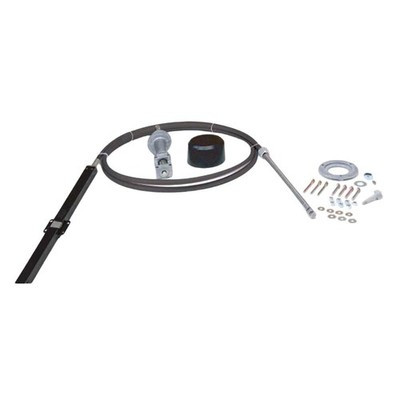
Seastar Rack Package 17''''
$239.99 -
On Sale!

U.S. Flag 12x18
$24.99 -
On Sale!

Impeller - Suzuki
$23.99 -
On Sale!

Mastercraft Marine Adapter
$24.99 -
On Sale!

Anode (Magnesium)
$23.99 -
On Sale!

Chrys Fuel Pump Kit
$23.99 -
On Sale!

V-Belt
$23.99 -
On Sale!

Drain Tap (Wsl)
$23.99 -
On Sale!

3-Pos. Poly. Ign. Switch W/
$23.99 -
On Sale!

Bayliner Replacement Switch
$23.99 -
On Sale!

Spacer Prop Nut
$24.99 -
On Sale!

Needle & Seat Assembly
$24.99 -
On Sale!
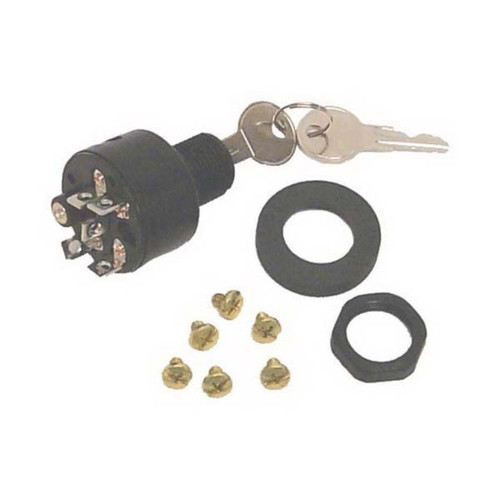
-
On Sale!

Thermostat 160deg.
$24.99 -
On Sale!
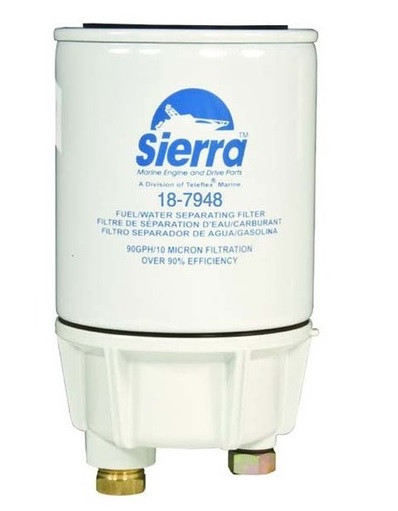
Fuel Filter 10 Micron
$24.99 -
On Sale!

Ball Joint-40 Series
$24.99 -
On Sale!

Seal
$24.99
Plumbing & Ventilation
Marine plumbing and ventilation systems keep freshwater flowing, waste contained, and air circulating aboard vessels operating in corrosive saltwater environments where standard residential components fail within months. Boat Supply Store carries 1584 in-stock plumbing and ventilation products from 38 specialized marine manufacturers, including complete systems for potable water delivery, waste management, bilge pumping, climate control, and air circulation engineered to meet ABYC standards for marine use.
Choosing the Right Plumbing & Ventilation for Your Vessel
The most common failure mode in marine plumbing isn't leaks—it's using automotive or household components that corrode rapidly in the marine environment. A garden hose might work for six weeks before the reinforcement wire rusts through. A residential check valve will seize after one season of saltwater exposure. The result is contaminated potable water, overboard discharge failures that violate federal law, or bilge pump systems that fail when you need them most during heavy weather.
Key Specifications to Evaluate
Material composition determines longevity in marine plumbing systems. Bronze, marine-grade stainless steel (316L), and Marelon composite resist dezincification and crevice corrosion that destroy brass and mild steel fittings. Through-hull fittings must be oversized by one pipe diameter compared to the connected hose to prevent restriction—a 3/4-inch hose connects to a 1-inch through-hull. ABYC H-27 standards require double hose clamps on all below-waterline connections, with clamps made from 300-series stainless steel rather than plated mild steel that rusts underneath the coating.
Hose specifications matter more than most boaters realize. SAE J1527 Type A1 hose is the minimum standard for sanitation systems, with Type A2 providing superior odor permeation resistance that prevents the characteristic holding tank smell. Reinforced PVC deteriorates from diesel and gasoline exposure, requiring purpose-built fuel hose with USCG certification. Potable water hose must be NSF-61 certified to prevent lead and phthalate contamination—standard clear vinyl tubing leaches chemicals that accumulate over time in freshwater tanks.
Ventilation capacity scales with vessel interior volume and occupancy. ABYC A-18 recommends complete air changes every three minutes for engine rooms, accounting for combustion air requirements plus cooling. Cabin ventilation prevents condensation that leads to mold growth in closed spaces, with dorade vents providing water-tight airflow and powered blowers moving larger volumes in larger cabins. Air conditioning capacity calculation requires 100-130 BTU per square foot of enclosed space in marine applications, higher than residential calculations due to hull heat transfer and inadequate insulation in most production boats.
Pump selection depends on flow rate, pressure requirements, and duty cycle. Bilge pumps are rated at free flow—actual performance drops 30-50% when pumping through hose and fittings at typical installation heights. Rule of thumb: 500 GPH capacity per 25 feet of boat length as a minimum, with larger capacity for vessels with low freeboard or frequent water intrusion. Freshwater delivery pumps require accumulator tanks to prevent rapid cycling that shortens diaphragm life, with 3-5 gallon tanks recommended for systems serving more than three fixtures.
Marine Plumbing System Component Selection Guide
| System Type | Critical Components | Material Standard | ABYC Reference |
|---|---|---|---|
| Freshwater | Pressure pump, accumulator, NSF-61 hose, check valves | 316 stainless, brass, FDA-approved plastics | ABYC H-24 |
| Sanitation | Y-valve, macerator, Type A2 hose, holding tank | Marelon, SAE J1527 Type A2, bronze | ABYC H-28 |
| Bilge | Automatic pump, check valve, strainer, float switch | Corrosion-resistant motor housing, reinforced hose | ABYC H-22 |
| Through-Hull | Seacock, backing plate, below-waterline fitting | Bronze, Marelon, 316L stainless (not 304) | ABYC H-27 |
| Air Circulation | Dorade vents, powered blowers, cowl vents, fans | UV-resistant ABS, stainless hardware, sealed motors | ABYC A-18 |
| Climate Control | Marine AC unit, seawater pump, dedicated circuit breaker | Cupro-nickel heat exchanger, sealed compressor | ABYC E-11 |
Price Guide: What to Expect at Each Budget Level
Budget tier: $12.99–$100 — Individual components like hose clamps, vent covers, basic hose sections, and manual pumps. This range covers replacement parts and small system upgrades using proven designs from manufacturers like Attwood and Perko. Adequate for above-waterline applications and non-critical systems where periodic replacement is acceptable.
Mid-range tier: $100–$800 — Complete pump systems, electric macerators, quality through-hull assemblies, powered ventilation fans, and multi-fixture freshwater systems. Most boaters maintaining cruising vessels invest here for the balance between reliability and cost. GROCO and Rule dominate this segment with bronze construction and proven track records lasting 10-15 years with proper maintenance.
Premium tier: $800–$5028.99 — Marine air conditioning systems, high-capacity watermakers, integrated sanitation systems with remote monitoring, and complete climate control installations. Commercial operators and liveaboards justify these investments through daily use and the consequences of system failure during extended cruising. Velair and Dometic lead this category with smart controls and whisper-quiet operation that residential boaters expect in modern vessels.
How the Top Plumbing & Ventilation Systems Compare
| Feature | Velair Compact i10VSD SMART (Gen 2) |
|---|---|
| Cooling Capacity | 10,000 BTU |
| Power Requirements | 230VAC |
| Control System | SMART technology with variable speed drive |
| Best Application | 30-35 ft vessels with single cabin |
| Key Advantage | Variable speed compressor reduces power consumption 30-40% vs fixed-speed units |
Our Top Picks for Plumbing & Ventilation
These selections represent the reliability standards professional captains and marine surveyors specify for vessels requiring dependable operation in demanding conditions.
Velair Compact i10VSD SMART Marine Air Conditioner Unit - 230VAC- 10,000 BTU (Generation 2)
Velair | $5028.99
Variable speed drive technology delivers precise temperature control while drawing 30-40% less power than conventional fixed-speed marine AC units.
- SMART control system enables remote monitoring via smartphone app with diagnostic alerts and programmable schedules for unattended vessel climate management
Trusted Plumbing & Ventilation Brands We Carry
GROCO leads marine sanitation and through-hull manufacturing with bronze construction that surveyors recognize as the longevity standard—their valves and pumps routinely exceed 20-year service lives in commercial applications. Velair specializes in energy-efficient climate control with variable-speed compressor technology that reduces generator runtime and battery drain compared to legacy systems. Rule invented the automatic bilge pump and continues engineering improvements in float switch reliability and motor efficiency that competitors benchmark against. Dometic integrates complete galley and sanitation systems with freshwater delivery, refrigeration, and waste management components engineered to work together rather than cobbled from mismatched parts.
Frequently Asked Questions
What's the difference between bronze and Marelon through-hull fittings?
Bronze through-hulls offer superior impact resistance and are preferred for high-load applications like engine cooling water intakes where vibration and pressure cycling occur constantly. Marelon composite fittings eliminate dezincification and galvanic corrosion issues entirely, making them ideal for vessels with complex grounding systems or in areas with stray current problems. Both materials meet ABYC H-27 standards when properly installed with backing plates. Bronze requires periodic inspection for zinc loss, while Marelon is maintenance-free but more susceptible to overtightening damage during installation. Most surveyors accept either material—the critical factor is proper bedding compound application and adequate backing plate support.
How do I size a marine air conditioning system for my boat?
Calculate 100-130 BTU per square foot of enclosed space requiring climate control, then increase capacity 20% if the vessel has dark hull color or inadequate insulation. A 30-foot boat with 250 square feet of cabin space needs 25,000-32,500 BTU base capacity, typically requiring two smaller units rather than one large unit for better air distribution and redundancy. Account for electrical system capacity—a 16,000 BTU unit draws approximately 13-15 amps at 230VAC or 65 amps at 12VDC through an inverter, requiring dedicated circuit protection and appropriately sized wire per ABYC E-11 standards. Split systems with remote condensers work better in engine rooms with limited ventilation, while self-contained units simplify installation in boats with adequate through-hull capacity for cooling water circulation.
What type of hose do I need for below-waterline sanitation systems?
SAE J1527 Type A2 hose is the current standard for marine sanitation applications, replacing older Type A1 specifications with improved odor permeation resistance through denser wall construction and specialized compound formulations. The hose must be reinforced to prevent collapse under vacuum when the macerator operates, and should be replaced every 10-12 years regardless of appearance since permeation resistance degrades with age even when the hose looks intact. ABYC H-28 requires smooth-bore construction rather than corrugated designs that trap waste and accelerate odor problems. All connections require double stainless steel hose clamps positioned 1/4 inch apart, with clamps made from 300-series stainless rather than plated steel that corrodes beneath the coating and fails without visible warning.
Can I use a standard water pump for my marine freshwater system?
Marine-specific freshwater pumps feature sealed motor housings that prevent moisture intrusion in high-humidity environments and corrosion-resistant check valves that maintain prime when the boat sits unused between outings. RV and residential pumps lack these features and typically fail within one season of marine use due to moisture damage and corrosion. A proper marine installation includes a 3-5 gallon accumulator tank that prevents rapid cycling—residential pumps cycle 30-40 times per minute without accumulators, wearing diaphragms that marine pumps are engineered to handle. Pressure switches on marine pumps are calibrated for 40-60 PSI operation with wider dead bands than residential pumps, reducing motor starts and extending service life. The additional cost of marine-rated pumps pays back through reliability rather than replacing failed residential units every season.
How often should I service my bilge pump system?
Inspect bilge pumps monthly during the boating season by manually activating the float switch and verifying the pump runs and discharges properly—90% of bilge pump failures occur because the pump was never tested until needed. Clean the strainer quarterly to remove debris that blocks impellers, and exercise automatic switches weekly to prevent calcium buildup that causes sticking in the float mechanism. Replace pump impellers every three years or after any incident where the pump ran dry for more than 30 seconds, since rubber vanes harden and lose efficiency even when they appear intact. Check valve operation every season by pouring water backward through the discharge line—if water flows back into the bilge, the check valve has failed and will allow water to siphon back during off cycles. Wire connections corrode in bilge environments, so apply dielectric grease and verify tight connections annually, particularly at the float switch which operates in the wettest environment and experiences the most corrosion.
Need help selecting the right Plumbing & Ventilation for your vessel? Contact our technical support team for a free system review — we'll help you spec the right components for your boat's requirements.