
-
On Sale!

Hose Assy For G/C Filler
$58.99 -
On Sale!

Boost Sport/Plus Eva W/Case
$25.99 -
On Sale!

Volvo Relay
$23.99 -
On Sale!

-
On Sale!

Ob Starter Drive Gears
$25.99 -
On Sale!

Ob Starter Drive Gears
$25.99 -
On Sale!

Drive Gear For 5387
$25.99 -
On Sale!
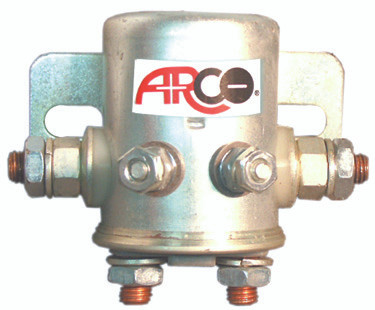
Relays
$25.99 -
On Sale!

Omc Terminal Female (20/Pk)
$28.99 -
On Sale!

Starter Drive
$26.99 -
On Sale!
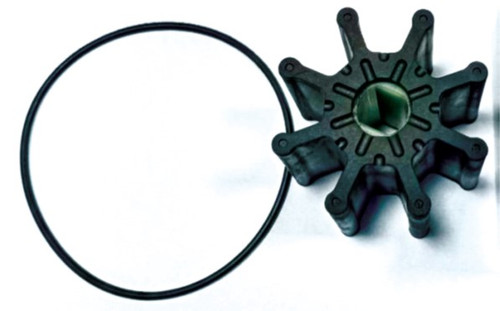
Impeller For Merc
$26.99 -
On Sale!
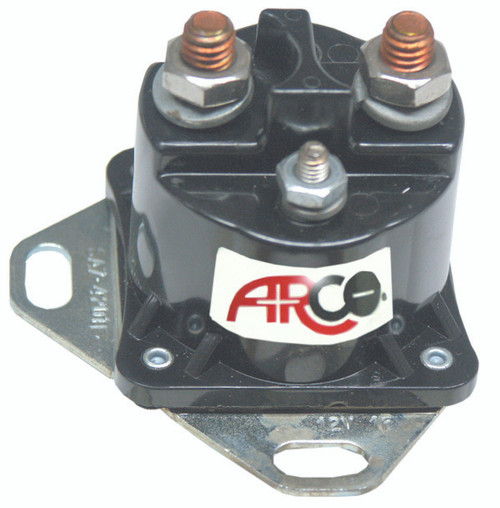
Solenoid
$27.99 -
On Sale!

16-14 Ins. Disconnect -Male
$25.99 -
On Sale!

2 Brush O/B Repair Kit
$27.99 -
On Sale!

8'' Vinyl Butt Conn. (25/Pk)
$28.99 -
On Sale!

-
On Sale!

Solenoid
$29.99 -
On Sale!

25'' Red #10 Primary Wire
$22.99 -
On Sale!

Boost Xl Protection Case
$32.99 -
On Sale!

Boost X-Connect Adapter
$32.99
Electrical
Marine electrical systems power everything from navigation instruments and communication equipment to bilge pumps and refrigeration, making proper component selection and installation critical for vessel safety and reliability. Boat Supply Store stocks 3,542 marine-grade electrical products from 49 manufacturers, including complete charging systems, distribution panels, wire and cable, circuit protection devices, and alternators engineered to withstand the corrosive marine environment.
Choosing the Right Electrical Components for Your Vessel
Most electrical failures on boats trace back to three problems: undersized wire causing voltage drop and heat buildup, inadequate circuit protection allowing shorts to damage equipment or start fires, and non-marine components that corrode within months of saltwater exposure. A 12-volt system operating at 10 amps requires different wire gauge over 25 feet than over 10 feet, and that calculation changes entirely for a 24-volt system—yet many boaters install automotive-grade wire without accounting for voltage drop tables or tinned copper requirements.
Key Specifications to Evaluate
System voltage forms the foundation of every electrical decision. Most vessels under 30 feet run 12-volt DC systems, while larger boats often use 24-volt or dual-voltage configurations for better efficiency over long cable runs. Your existing system voltage determines compatible alternators, panels, and accessories, though some boats benefit from dedicated 24-volt houses banks with converters for 12-volt electronics. AC systems add another layer, with shore power inlets, inverters, and chargers rated for 30-amp or 50-amp service depending on total load requirements.
Wire sizing according to ABYC E-11 standards prevents the voltage drop that dims lights, starves pumps, and damages electronics. Tinned copper wire resists corrosion far better than bare copper, and marine-grade wire uses finer stranding that flexes without breaking in high-vibration environments. For a 20-amp load at 12 volts over a 15-foot run, you need 10 AWG wire to stay within the 3% voltage drop limit, but the same load over 30 feet requires 8 AWG. Boat builders often install minimal gauge wire that technically meets amperage ratings but creates performance problems under real-world conditions.
Circuit protection requires coordination between wire size, load capacity, and breaker or fuse ratings. A 10 AWG wire rated for 30 amps must have a 30-amp breaker or smaller—never larger, as this defeats the protection and creates fire risk. Blue Sea Systems and other quality manufacturers provide entire ecosystems of compatible panels, breakers, and bus bars that simplify safe installation. Panel location matters too: main distribution panels belong in dry, ventilated spaces with easy access, while individual circuit breakers for high-draw items like windlasses and thrusters should mount near the equipment.
Charging systems balance alternator output, battery capacity, and regulator sophistication. A 100-amp-hour battery bank needs roughly 25-35 amps of charging current for efficient recharging, meaning a 60-amp alternator handles modest house loads while a 150-amp unit supports larger inverter systems and electric galleys. Multi-stage regulators from Balmar and others dramatically improve charging efficiency and battery lifespan compared to single-stage automotive regulators. The Balmar 97XD Series alternators deliver marine-specific features like ignition-protected housings, stainless hardware, and high output at low RPM for sailboat applications.
Marine Wire Sizing Chart (12V DC Systems, 3% Voltage Drop)
| Total Amps | 10 ft Round Trip | 15 ft Round Trip | 20 ft Round Trip | 25 ft Round Trip |
|---|---|---|---|---|
| 5A | 16 AWG | 14 AWG | 14 AWG | 12 AWG |
| 10A | 14 AWG | 12 AWG | 12 AWG | 10 AWG |
| 15A | 12 AWG | 10 AWG | 10 AWG | 8 AWG |
| 20A | 10 AWG | 10 AWG | 8 AWG | 8 AWG |
| 25A | 10 AWG | 8 AWG | 8 AWG | 6 AWG |
| 30A | 8 AWG | 8 AWG | 6 AWG | 6 AWG |
| 40A | 8 AWG | 6 AWG | 6 AWG | 4 AWG |
| 50A | 6 AWG | 6 AWG | 4 AWG | 4 AWG |
Price Guide: What to Expect at Each Budget Level
Budget tier: $2.99–$90 — Basic terminals, heat shrink, wire by the foot, simple toggle switches, and automotive-grade fuses. These components work for non-critical accessories and temporary repairs, but tinned copper wire and marine-rated terminals in this range offer better corrosion resistance than true automotive parts. Most items serve single-purpose needs rather than whole-system installations.
Mid-range tier: $90–$260 — Quality circuit breakers, distribution panels, battery switches, marine wire in bulk spools, and small charging accessories. This range includes most Blue Sea Systems panels and switches, representing the sweet spot for reliable electrical systems on boats under 35 feet. Components meet ABYC and USCG standards with proper amperage ratings, ignition protection, and corrosion resistance for years of service.
Premium tier: $260–$3654.99 — High-output alternators like the Balmar 97XD Series, sophisticated battery monitors, large distribution panels with digital switching, and complete charging systems with multi-stage regulation. Professional-grade components in this range handle complex electrical systems on larger vessels, support extensive inverter loads, and provide features like remote monitoring and programmable charging profiles that maximize expensive battery bank investments.
How the Top Electrical Products Compare
| Feature | Balmar 97XD Alternator |
|---|---|
| System Voltage | 24V DC |
| Output Current | 190A continuous |
| Pulley Type | K6 serpentine belt |
| Regulator Compatibility | Multi-stage external (sold separately) |
| Marine Features | Ignition protected, stainless hardware, high output at low RPM |
Our Top Picks for Electrical
These components represent proven reliability across different system requirements, from high-output charging to essential circuit protection.
Balmar Alternator 97XD Series 190A, 24V, K6 Pulley
Balmar | $2561.99
Purpose-built marine alternator delivers 190 amps at 24 volts with high output at low engine RPM for sailboat auxiliary engines and displacement cruisers.
- Ignition-protected housing meets ABYC and USCG requirements while stainless steel hardware resists corrosion in saltwater environments, and dual internal fans provide cooling for continuous high-output operation during extended motoring or generator runtime.
Trusted Electrical Brands We Carry
Blue Sea Systems dominates marine electrical with 785 products in our inventory, from their ubiquitous thermal circuit breakers and battery switches to complete AC and DC distribution panels that integrate overcurrent protection with clean cable management. Balmar specializes in high-output alternators and sophisticated voltage regulators that professional riggers specify for serious cruising boats with large battery banks and inverter systems. Ancor provides the tinned copper wire, heat shrink, and terminals that form the backbone of reliable marine wiring, while Marinco covers shore power connections and heavy-duty plugs engineered for dock and deck exposure.
Frequently Asked Questions
What wire gauge do I need for a bow thruster installation?
Bow thrusters typically draw 400-800 amps during operation, requiring massive cable—usually 4/0 or larger gauge—with runs kept as short as physically possible. A 600-amp thruster needs 4/0 AWG cable for runs under 8 feet, but anything longer requires consulting the manufacturer's wire sizing chart since voltage drop becomes critical at these extreme amperages. Many installations use parallel runs of smaller gauge cable rather than single massive conductors, and all connections must use properly crimped marine-grade lugs with heat shrink covering to prevent the corrosion that causes resistance and heat buildup at high current levels.
Can I use automotive wire and components on my boat?
Automotive wire uses bare copper that corrodes rapidly in marine environments, creating high-resistance connections that cause voltage drop, heat, and eventual failure. Marine-grade wire uses tinned copper stranding that resists corrosion and finer stranding that flexes without breaking under vibration and movement. Automotive components also lack the ignition protection required by USCG and ABYC standards in gasoline engine spaces, where sparks from switches or relays can ignite fuel vapors. While automotive parts cost less initially, they create safety hazards and require replacement far more frequently than proper marine components.
How do I size an alternator for my battery bank and loads?
A charging system should provide 25-35% of total battery capacity in amps for efficient recharging without overheating or excessive engine runtime. A 400 amp-hour house bank needs roughly 100-140 amps of charging capacity, but you must also account for continuous loads like refrigeration that might draw 5-8 amps while charging. Undersized alternators run constantly at full output and overheat, while grossly oversized alternators cost more without benefit unless you need rapid recharging between short generator runs or sailing legs. Multi-stage external regulators dramatically improve charging efficiency regardless of alternator size by properly managing bulk, absorption, and float charging phases based on battery chemistry.
What's the difference between AC and DC electrical systems on boats?
DC systems run on 12-volt or 24-volt battery power for lighting, electronics, pumps, and other continuous-use equipment, while AC systems provide 120-volt shore power for air conditioning, microwaves, battery chargers, and other high-draw appliances. Most boats have both systems: DC for underway operation and essential systems, AC for dockside comfort and convenience. Inverters convert DC to AC for running AC appliances while away from shore power, and chargers convert AC to DC for recharging batteries when plugged into the dock. Proper installation requires separate circuit protection for each system, with AC wiring meeting household electrical codes and DC wiring following ABYC marine standards.
How often should I inspect my boat's electrical system?
Annual inspection catches most problems before they cause failures, focusing on terminal corrosion, wire chafing at bulkhead penetrations, proper strain relief at connections, and voltage drop testing on critical circuits. Check all DC connections for green corrosion or white powder indicating water intrusion, verify that circuit breakers haven't loosened in their mounting, and confirm battery terminal connections remain tight and clean. High-current circuits like windlasses and thrusters deserve special attention since resistance creates heat, and infrared inspection during operation reveals hot spots before insulation melts. Shore power connections corrode rapidly in dock environments and should be inspected before each season, with damaged blade contacts or melted housings replaced immediately.
Need help selecting the right Electrical components for your vessel? Contact our technical support team for a free system review — we'll help you spec the right components for your boat's requirements.