
-
On Sale!

-
On Sale!

Meguiar's
Meguiar's Hybrid Wash Mitt - Extremely Plush Microfiber Wash Mitt f/Gently Waxing While Washing
$15.99$11.99 -
On Sale!
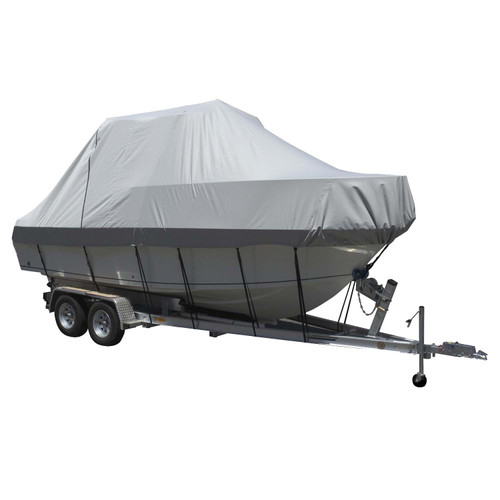
Carver by Covercraft
Carver Sun-DURA® Specialty Boat Cover f/24.5' Walk Around Cuddy & Center Console Boats - Grey
$866.99 -
On Sale!

Carver by Covercraft
Carver Poly-Flex II Universal Leaning Post Cover - 47"H x 41"W x 24"D - Grey
$134.59$105.99 -
On Sale!

Carver by Covercraft
Carver Poly-Flex II Large Center Console Universal Cover - 50"D x 40"W x 60"H - Grey
$81.80$64.99 -
On Sale!
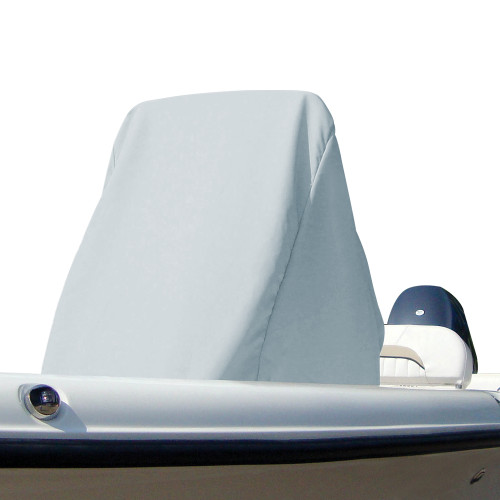
Carver by Covercraft
Carver Poly-Flex II Medium Center Console Universal Cover - 45"D x 36"W x 46"H - Grey
$71.24$56.99 -
On Sale!
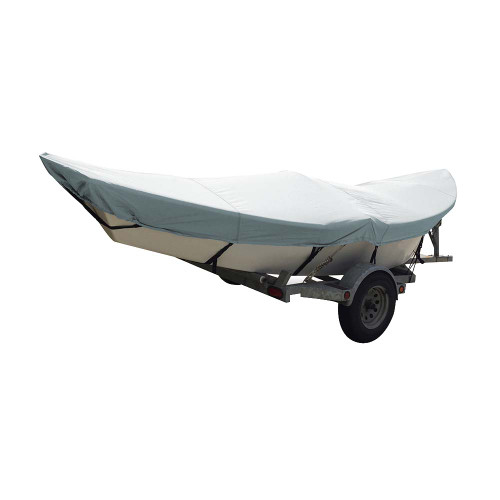
Carver by Covercraft
Carver Poly-Flex II Styled-to-Fit Boat Cover f/16' Drift Boats - Grey
$219.51$170.99 -
On Sale!

Carver by Covercraft
Carver Sun-DURA® Narrow Series Styled-to-Fit Boat Cover f/23.5' V-Hull Center Console Shallow Draft Boats - Grey
$579.90$362.99 -
On Sale!

Carver by Covercraft
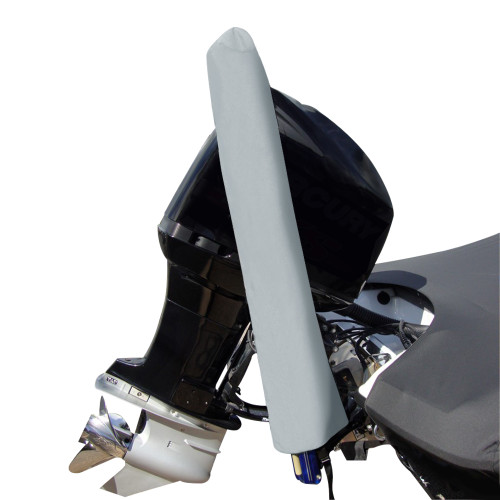
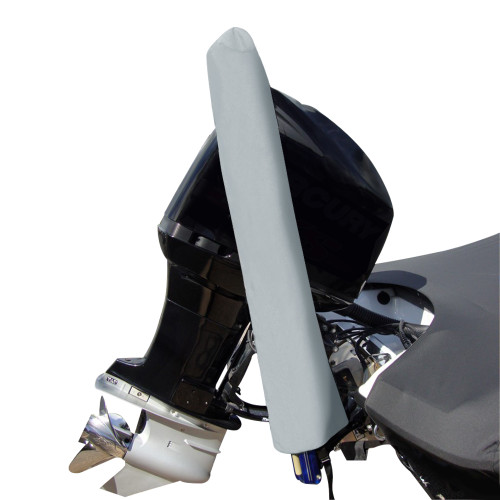
Carver Sun-DURA® 40-70 HP Universal Motor Cover - 25"L x 18"H x 15"W - Grey
$43.34$34.99 -
On Sale!

Carver by Covercraft
Carver Poly-Flex II Captain's Chair Cover - Fits up to 32″H x 26″W x 25″D - Grey
$71.59$56.99 -
On Sale!

-
On Sale!
-
On Sale!

-
On Sale!

-
On Sale!
-
On Sale!
-
On Sale!

-
On Sale!
-
On Sale!

-
On Sale!
Winterizing
Winterizing your boat involves preparing all water-bearing systems, fuel systems, and mechanical components for freezing temperatures through proper drainage, antifreeze circulation, and corrosion protection. At Boat Supply Store, we stock 355 winterizing products across 27 brands to protect engines, plumbing systems, batteries, and exterior surfaces during storage season.
Choosing the Right Winterizing Supplies for Your Vessel
The costliest mistake in winter storage is incomplete system protection. Water trapped in engine blocks, raw water pumps, or freshwater systems expands when frozen, cracking housings and destroying impellers. Inboard engines with closed cooling systems require different antifreeze than stern drives with raw water cooling. Fuel systems left untreated develop phase separation in ethanol blends, creating corrosive water pockets that attack carburetors and injectors. Using automotive antifreeze instead of propylene glycol-based marine antifreeze can poison fish habitats during spring commissioning and damage rubber components in head systems.
Key Specifications to Evaluate
Marine antifreeze must be propylene glycol-based, never ethylene glycol. Propylene glycol is non-toxic, safe for overboard discharge, and compatible with all potable water system components. The burst protection rating matters more than freeze protection—quality marine antifreeze protects to -50°F burst even when diluted during system flushing. Concentration matters: straight antifreeze offers maximum protection for engines, while pre-diluted formulas work for plumbing and head systems that retain some residual water.
Fuel stabilizers prevent oxidation, varnish formation, and phase separation in gasoline during storage. Ethanol-blended fuels require stabilizers specifically formulated to suspend water molecules and prevent corrosion. Look for products that treat at least 80 gallons per ounce of additive and remain effective for 12-24 months. Diesel engines need biocide additives to prevent algae growth in tank water, plus lubricity enhancers to protect modern high-pressure injection systems during dormancy.
Fogging oil protects internal engine components from corrosion when combustion stops. Two-stroke engines require lighter fogging oils that won't foul plugs, while four-stroke engines benefit from heavier formulations that cling to cylinder walls and valve seats. Premium fogging oils contain corrosion inhibitors that remain active for 6-12 months and burn clean during spring startup without excessive smoke.
Grease selection depends on application points and exposure. Trailer wheel bearings need high-temperature grease rated to 350°F that resists water washout during submersion. Steering systems and control cables require marine-grade grease with PTFE or moly additives for extreme pressure protection. Shurhold's synthetic formulations offer superior cold-weather performance, remaining pumpable at temperatures that turn petroleum-based greases solid.
Essential Winterizing Product Categories by System
| System | Required Products | Application Method | Protection Duration |
|---|---|---|---|
| Engine (Inboard/Stern Drive) | Marine antifreeze, fogging oil, fuel stabilizer, oil change kit | Circulate antifreeze through raw water system, fog cylinders, stabilize fuel, change oil | 6-8 months storage |
| Outboard Engine | Fogging oil, fuel stabilizer, lower unit gear oil, corrosion inhibitor | Fog through carb/injectors, treat fuel, replace gear oil, spray external surfaces | 6-8 months storage |
| Freshwater System | Non-toxic marine antifreeze (propylene glycol) | Drain tanks, pump antifreeze through all lines until pink at each fixture | Full winter season |
| Fuel System | Ethanol treatment fuel stabilizer, biocide (diesel) | Add to full tank, run engine 10 minutes to circulate | 12-24 months |
| Batteries | Battery maintainer/tender, terminal protector spray, hydrometer | Charge fully, apply terminal protection, connect maintainer | Continuous during storage |
| Exterior/Trailer | Multi-purpose synthetic grease, corrosion inhibitor, hull cleaner/wax | Repack bearings, grease all fittings, clean and protect hull | Full winter season |
Price Guide: What to Expect at Each Budget Level
Budget tier: $5.99–$30 — Single-use quantities of antifreeze (1-gallon jugs), basic fogging oil spray cans, standard fuel stabilizers, and small grease tubes. Suitable for small outboards, PWCs, or supplementing existing supplies. These products meet essential protection requirements but lack bulk economy or advanced additive packages.
Mid-range tier: $30–$150 — Case quantities of antifreeze (6-pack gallon jugs), premium fuel stabilizers with ethanol treatment, professional-grade fogging oils, marine grease guns with cartridges, and complete winterizing kits. This range covers most seasonal boaters preparing 20-35 foot vessels with single engines and standard systems. Products include better additive technology and sufficient volume for thorough system preparation.
Premium tier: $150–$734.99 — Bulk antifreeze containers (5+ gallons), commercial-grade synthetic greases in pail quantities, professional fogging systems, and comprehensive protection packages for multiple engines or large vessels. The Super Lube Multi-Purpose Synthetic Grease w/Syncolon® (PTFE) - 30lbs at $734.99 represents professional-grade bulk supply for marinas, yacht clubs, or multi-boat owners requiring superior synthetic performance across dozens of lubrication points annually.
How the Top Winterizing Products Compare
| Feature | Super Lube Synthetic Grease - 30lbs |
|---|---|
| Base Type | 100% synthetic with Syncolon® PTFE |
| Temperature Range | -45°F to 450°F continuous operation |
| Water Resistance | Excellent washout resistance, submersible |
| Best Application | Trailer bearings, steering systems, winches, all high-load marine fittings |
| Package Economy | 30 lb pail for bulk/multi-season/commercial use |
Our Top Picks for Winterizing
These products represent the essential components for comprehensive seasonal protection across all vessel systems.
Super Lube Multi-Purpose Synthetic Grease w/Syncolon® (PTFE) - 30lbs
Super Lube | $734.99
Professional-grade synthetic grease with PTFE additives maintains lubricity from -45°F to 450°F with superior water washout resistance for all marine applications.
- Bulk 30-pound pail provides multi-season supply for trailer bearings, steering cables, windlasses, davits, and all grease fittings with synthetic performance that outlasts petroleum-based alternatives in extreme marine conditions
Trusted Winterizing Brands We Carry
The winterizing category depends on brands with marine-specific formulations rather than repackaged automotive products. Shurhold dominates our inventory with 90 specialized products averaging $47.29, including their professional-grade cleaning systems, synthetic lubricants, and storage preparation tools designed specifically for fiberglass and marine metal alloys. Star brite leads in antifreeze and fuel treatment technology with propylene glycol formulations that protect potable water systems without environmental concerns. CRC Marine offers corrosion inhibitors and fogging oils developed for saltwater exposure that create molecular barriers against moisture penetration. West Marine and Starbrite provide comprehensive winterizing kits that bundle system-specific products in correct quantities for typical vessel sizes, eliminating guesswork for first-time winterizers.
Frequently Asked Questions
What's the difference between marine antifreeze and automotive antifreeze?
Marine antifreeze uses propylene glycol as its base, which is non-toxic and safe for discharge into waterways during spring flushing. Automotive antifreeze uses ethylene glycol, which is highly toxic to fish, animals, and humans, and will damage rubber components in marine sanitation systems. Marine antifreeze is specifically formulated for burst protection in potable water systems, heads, and raw water cooling systems where complete drainage is impossible. It lubricates pump seals and valves rather than attacking them. Never substitute automotive antifreeze in any marine application—the environmental and component damage isn't worth the cost savings. Quality marine antifreeze protects to -50°F burst protection even when diluted with residual water in lines.
How much antifreeze do I need to winterize my boat?
Plan on 2-3 gallons for a typical freshwater system in a 25-30 foot cruiser with galley and head. You need enough volume to displace all water from the tank through every line to every fixture until pink antifreeze flows from each faucet, shower, and toilet. Inboard engine raw water systems require 2-5 gallons depending on manifold and heat exchanger size—continue pumping until antifreeze exits the exhaust outlets. Stern drives with integrated raw water cooling need 1-2 gallons circulated through the lower unit pickup. Always buy extra—running out mid-process leaves systems vulnerable. Leftover antifreeze stores indefinitely and you'll use it during spring commissioning or next season.
Do I need to change engine oil before or after winter storage?
Change oil immediately before storage, never after. Used oil contains combustion byproducts, acids, and moisture that corrode bearings, cylinder walls, and internal passages during storage dormancy. Fresh oil provides maximum corrosion protection and ensures contaminants don't etch surfaces over months of contact. Run the engine to operating temperature before draining to suspend particles and ensure complete drainage. Fill with fresh oil and a new filter, then run briefly to circulate throughout the system. Some technicians add a storage-specific oil treatment that provides additional film strength. Never store an engine with contaminated oil—the cost of an oil change is trivial compared to bearing or cylinder damage from acid etching during six months of storage.
Should I fill my fuel tank or leave it empty for winter storage?
Fill the tank completely to minimize condensation space and prevent moisture accumulation. A full tank eliminates the air volume where humidity can condense into water that causes phase separation in ethanol fuels and promotes microbial growth in diesel. Add fuel stabilizer at the maximum recommended concentration, then run the engine for 10-15 minutes to circulate treated fuel throughout the system including carburetors or injectors. For ethanol-blended gasoline, use a stabilizer specifically formulated to suspend water molecules and prevent separation. Diesel fuels require biocide additives to prevent algae growth plus lubricity enhancers to protect injection systems. Top off the tank after adding stabilizer to account for treatment volume and eliminate all air space. This approach prevents tank corrosion and ensures fuel quality for spring startup.
What's the proper procedure for fogging an engine?
Fogging protects internal engine components from corrosion during storage by coating cylinders, valves, and rings with a protective oil film. For outboards and stern drives, remove the air intake cover and spray fogging oil directly into the carburetor throats or throttle body while the engine runs at fast idle. Continue spraying until the engine begins to smoke heavily, then quickly spray a final burst and shut off the ignition while still spraying—this stalls the engine while maximum oil coats the cylinders. For fuel-injected engines, disconnect the fuel supply and spray fogging oil into the intake while cranking until compression stops turnover. Remove spark plugs and spray directly into each cylinder, then rotate the crankshaft by hand to distribute oil across cylinder walls. Reinstall plugs finger-tight. Two-stroke engines require less fogging oil than four-strokes to avoid plug fouling. Always fog with marine-specific fogging oil that burns clean during spring restart.
Need help selecting the right winterizing supplies for your vessel? Contact our technical support team for a free system review — we'll help you spec the right components for your boat's requirements.