
-
On Sale!
-
On Sale!
-
On Sale!

-
On Sale!
-
On Sale!
-
On Sale!

-
On Sale!
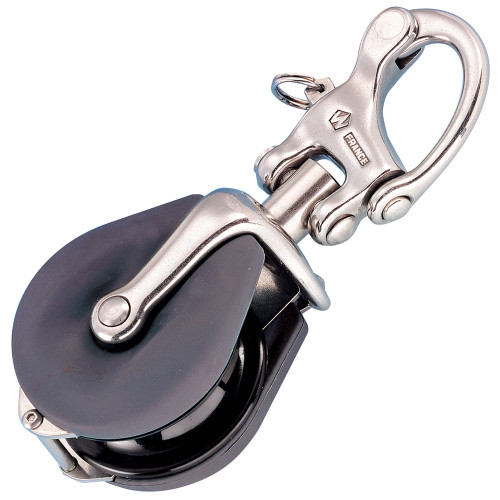
-
On Sale!
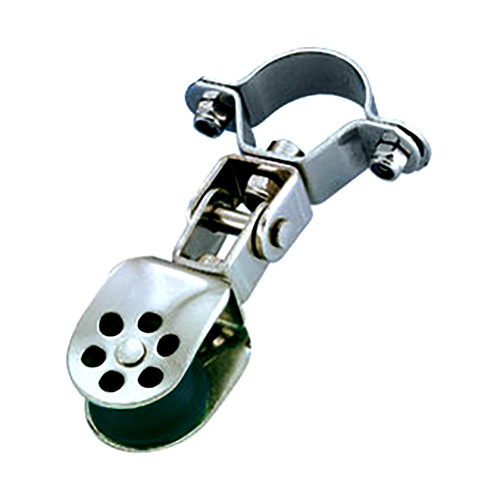
Wichard Marine
Wichard Stainless Steel Single Block - 25mm Sheave Diameter f/25mm Stanchion Pivoting
$69.83$59.99 -
On Sale!
-
On Sale!

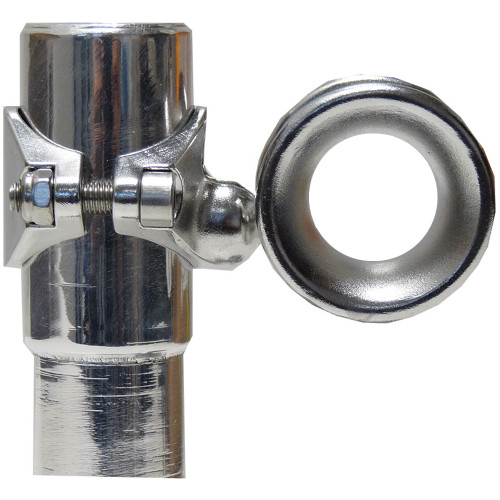
Wichard Marine
Wichard Double Fairlead - 25mm Diameter Stanchion w/Webbing - Velcro Stipe
$119.88$101.99 -
On Sale!

-
On Sale!

-
On Sale!

-
On Sale!
-
On Sale!
-
On Sale!

-
On Sale!
-
On Sale!
-
On Sale!

-
On Sale!
Sailing
Sailing equipment encompasses the specialized hardware, rigging components, winches, blocks, lines, and deck fittings that enable sailboat operation, from basic cruising systems to high-performance racing configurations. Boat Supply Store carries 941 in-stock sailing products ranging from essential shackles and blocks to advanced electric winch systems, all engineered to meet the demanding loads and corrosion challenges of marine environments.
Choosing the Right Sailing Equipment for Your Vessel
The wrong sailing hardware fails at the worst possible moment—a undersized block seizes under load during a sail change, a corroded shackle parts in heavy weather, or a winch without adequate power ratio leaves your crew unable to trim sails effectively. These failures stem from mismatched load ratings, incompatible materials in saltwater environments, or insufficient understanding of working load limits versus breaking strengths. Proper sailing equipment selection requires matching component ratings to your vessel's sail plan, understanding the difference between static and dynamic loads, and selecting corrosion-resistant materials appropriate for your operating environment.
Key Specifications to Evaluate
Load rating is the fundamental specification for any sailing hardware. Working load limit (WLL) represents the maximum load a component should see in normal service, typically calculated as one-fifth to one-sixth of the ultimate breaking strength. For blocks, evaluate both the WLL and the sheave diameter—larger sheaves reduce line wear and friction, with a minimum 6:1 sheave-to-line diameter ratio recommended for synthetic lines and 8:1 for wire halyards. Bearing type directly impacts efficiency: plain bearings suffice for low-load applications, ball bearings reduce friction for moderate loads, and roller bearings deliver maximum efficiency for high-load scenarios.
Material selection determines longevity in the marine environment. Stainless steel dominates sailing hardware, but grade matters—300-series austenitic stainless (particularly 316) offers superior corrosion resistance compared to 400-series martensitic grades. For maximum strength-to-weight ratios, anodized aluminum alloys work well above the waterline but require careful inspection for galvanic corrosion when paired with stainless fittings. Synthetic components like high-modulus polyethylene or acetal resins excel in applications where metal-to-metal contact could damage lines or create electrical conductivity issues.
Winch selection involves power ratio, drum diameter, and drive mechanism. Power ratio—the mechanical advantage the winch provides—ranges from 6:1 for light genoa sheets to 60:1 or higher for mainsail halyards on larger vessels. A two-speed winch offers versatility, providing fast retrieval at low loads and high power for final trimming. Electric winches like the ANDERSEN 40ST deliver consistent power without crew fatigue, critical for shorthanded sailing or when handling high-load applications. Drum diameter affects line wear and holding capacity—larger drums reduce line stress and increase the number of turns that fit on the drum.
Installation and compatibility considerations include mounting base dimensions, fastener requirements, and system integration. Deck-mounted hardware requires backing plates sized to distribute loads across the deck structure, with through-bolt fasteners preferred over self-tapping screws for primary loads. For electric winches, verify your electrical system capacity matches the winch amperage draw—a 12V electric winch pulling 80 amps under load requires appropriate circuit protection and wire sizing to prevent voltage drop.
Recommended Line Diameter and Working Load by Application
| Application | Boat Length | Line Diameter | Minimum WLL |
|---|---|---|---|
| Jib/Genoa Sheets | 25-35 ft | 3/8" - 1/2" | 3,000-4,500 lbs |
| Jib/Genoa Sheets | 35-45 ft | 1/2" - 5/8" | 4,500-6,500 lbs |
| Main Halyard | 25-35 ft | 5/16" - 3/8" | 2,500-3,500 lbs |
| Main Halyard | 35-45 ft | 3/8" - 7/16" | 3,500-5,000 lbs |
| Spinnaker Sheets | 25-35 ft | 1/2" - 9/16" | 3,500-4,500 lbs |
| Spinnaker Sheets | 35-45 ft | 9/16" - 5/8" | 4,500-6,000 lbs |
| Anchor Rode (Primary) | 25-35 ft | 5/16" - 3/8" chain + 1/2" line | 2,500-3,500 lbs |
| Docking Lines | 25-45 ft | 1/2" - 5/8" | 4,000-6,500 lbs |
Price Guide: What to Expect at Each Budget Level
Budget tier: $10.99–$50 — Basic shackles, cam cleats, small blocks, and essential deck hardware from reliable manufacturers. These components use stamped or cast construction with plain bearings, suitable for low-load applications like lazy jacks, light control lines, and non-critical systems. Expect stainless steel or anodized aluminum construction with adequate corrosion resistance for seasonal sailors.
Mid-range tier: $50–$300 — Ball-bearing blocks, two-speed manual winches for smaller boats, high-quality shackles with forged construction, and specialized hardware like turning blocks and organizers. This tier represents where most cruising sailors invest, offering the durability and performance needed for regular use without racing-grade pricing. Components feature precision machining, reliable bearing systems, and proven designs from established marine brands like Wichard Marine.
Premium tier: $300–$6454.99 — Electric and hydraulic winches, high-load roller-bearing blocks, carbon fiber components, and advanced systems for performance cruisers and racing applications. The ANDERSEN 40ST electric winch at the top of this range delivers 1,100 lbs of line pull with variable speed control, representing the kind of technology that enables shorthanded offshore sailing. Premium components justify their cost through reduced maintenance, superior efficiency, lighter weight, and the reliability required when equipment failure isn't an option.
How the Top Sailing Products Compare
| Feature | ANDERSEN 40ST Electric Winch |
|---|---|
| Power Source | 12V DC Electric |
| Line Pull Capacity | 1,100 lbs (500 kg) |
| Speed Control | Variable Speed |
| Mounting Type | Below Deck (Compact FS) |
| Best Application | Main halyards, genoa furling on 35-50 ft vessels |
Our Top Picks for Sailing
This selection represents proven solutions across different sailing applications, chosen for reliability under marine loads and compatibility with modern rigging systems.
ANDERSEN 40ST Compact Below Deck Electric FS Winch Variable Speed - 12V
ANDERSEN | $6454.99
Variable-speed electric winch delivers 1,100 lbs line pull with compact below-deck mounting, ideal for shorthanded crews managing primary halyards and furling systems.
- Below-deck installation saves cockpit space while providing full electric power for demanding sail handling on vessels 35-50 feet
Trusted Sailing Brands We Carry
The sailing hardware industry consolidates around manufacturers with decades of proven performance in demanding marine conditions. Wichard Marine dominates our inventory with 217 products averaging $138.30, reflecting their reputation for precision-forged stainless steel shackles, blocks, and deck hardware trusted by both cruising sailors and racing programs. ANDERSEN represents the premium end of winch technology, engineering electric and hydraulic systems that deliver reliable power in offshore conditions where manual winching becomes impractical. These brands maintain rigorous quality control and materials traceability, critical factors when hardware failure can compromise vessel safety.
Frequently Asked Questions
What's the difference between working load limit and breaking strength for sailing hardware?
Working load limit (WLL) represents the maximum load a component should experience during normal service, incorporating a safety factor typically between 5:1 and 6:1. Breaking strength is the force at which the component actually fails. A shackle with a 2,000 lb WLL might have a breaking strength around 10,000-12,000 lbs. Always select hardware based on WLL that exceeds your calculated loads—using breaking strength as your selection criteria eliminates the safety margin and risks catastrophic failure. Marine environments add dynamic shock loads that can temporarily exceed static calculations, making that safety factor essential rather than conservative.
Can I use stainless steel and aluminum hardware together on my rigging?
Mixing stainless steel and aluminum creates galvanic corrosion risk when the metals are in direct contact in the presence of an electrolyte like saltwater. If you must combine these metals, use isolation techniques: nylon or Delrin washers between components, Tef-Gel or similar anti-corrosion compounds at contact points, and ensure proper electrical bonding of your vessel's metal components to control the galvanic cell. In practice, maintaining a single metal type for critical load-bearing connections provides the most reliable long-term performance. Aluminum works well above the waterline for weight savings, while stainless steel dominates below-waterline and high-load applications.
How do I size a winch for my boat's sail plan?
Winch sizing depends on line load and the power ratio needed for your crew to trim effectively. Calculate maximum sheet load using your sail area and anticipated wind conditions—a rough formula is sail area in square feet multiplied by 0.75 to 1.5 depending on wind strength. Divide that load by the force your crew can reasonably apply to a winch handle (typically 30-40 lbs for sustained cranking) to determine required power ratio. A 40-foot cruiser with a 400 sq ft genoa might see 600 lbs sheet load in 20 knots, requiring a 15:1 to 20:1 power ratio. Winch manufacturers publish power ratio specifications—match these to your calculated needs, and consider two-speed winches for versatility across varying conditions.
What maintenance do sailing blocks and hardware require?
Rinse all sailing hardware with fresh water after each saltwater use to remove salt crystals that accelerate corrosion and bearing wear. Every 3-6 months, disassemble blocks to clean bearings and races, removing salt buildup and old lubricant. Re-lubricate ball and roller bearings with marine-grade waterproof grease—avoid lightweight oils that wash out quickly. Inspect beckets, shackles, and attachment points for stress cracks, particularly in high-load areas. Stainless steel can develop crevice corrosion in oxygen-depleted areas, so check fastener threads and sealed cavities annually. For winches, annual service includes drum removal, pawl spring inspection, and gear lubrication with the manufacturer's specified grease. Electric winches require additional attention to electrical connections, motor brushes, and circuit breaker function.
Are synthetic lines compatible with traditional sailing hardware designed for wire halyards?
Modern high-modulus synthetic lines like Dyneema require different hardware considerations than traditional wire rope. Synthetic lines have lower friction coefficients, meaning they can slip more easily through cleats and on winch drums designed for wire. Use clutches and cleats specifically rated for low-friction synthetics. Sheave diameter becomes more critical—while wire halyards worked with 6:1 sheave-to-line ratios, synthetics perform better with 8:1 or larger to prevent compression damage to the line's core. Winch drums designed for wire may need textured or grooved drum surfaces to improve grip on smooth synthetic lines. The advantage is significant weight reduction aloft and easier handling, but verify all your deck hardware is compatible before making the switch from wire to synthetic running rigging.
Need help selecting the right sailing equipment for your vessel? Contact our technical support team for a free system review — we'll help you spec the right components for your boat's requirements.