
-
On Sale!
-
On Sale!
-
On Sale!

-
On Sale!

-
On Sale!
-
On Sale!
-
On Sale!
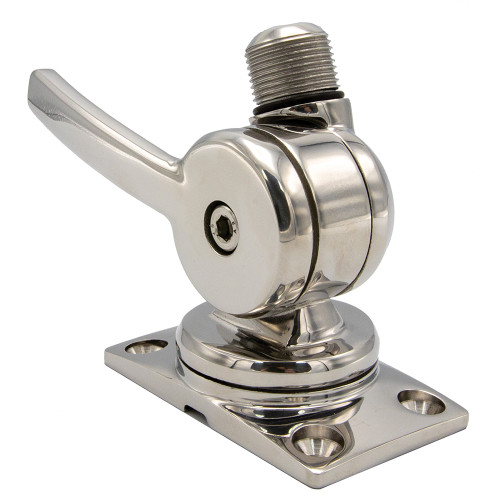
Shakespeare
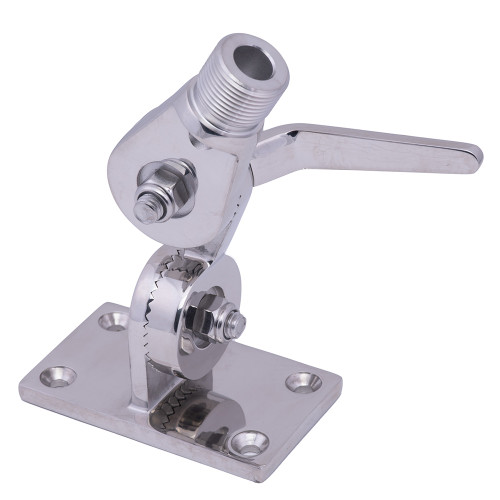
Shakespeare 6187 Sleek & Compact Stainless Steel Rotatable 4-Way Ratchet Mount
$139.99$104.99 -
On Sale!
-
On Sale!
-
On Sale!

-
On Sale!

-
On Sale!

-
On Sale!

-
On Sale!
-
On Sale!
-
On Sale!
Digital Antenna
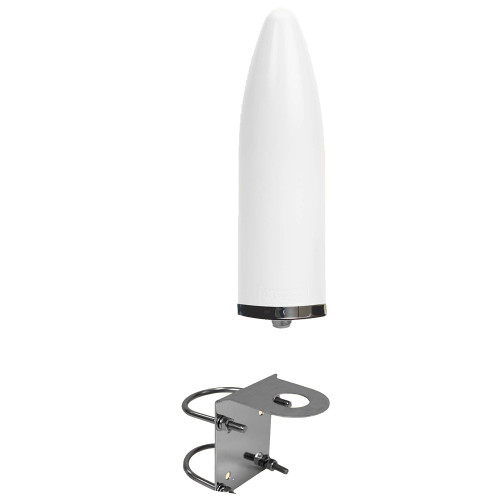
Digital Antenna Wideband Cellular Antenna 4G/5G/LTE/WiFi 9dBi Omni w/Bracket
$214.08$159.99 -
On Sale!
-
On Sale!

-
On Sale!

-
On Sale!
Communication
Marine communication equipment includes VHF radios, SSB transceivers, satellite systems, AIS transponders, and antennas designed to maintain reliable contact between vessels and shore stations in all weather conditions. Boat Supply Store stocks 403 communication products from 30 manufacturers, ranging from handheld VHF units to integrated satellite voice and data systems for offshore passages.
Choosing the Right Communication for Your Vessel
The most common mistake is installing a radio without considering antenna placement, coax cable loss, and NMEA integration requirements. A $300 VHF radio paired with a poorly mounted antenna and corroded connections will underperform a $150 unit with proper installation. Signal strength depends on antenna height, cable quality, and electrical grounding—variables that matter more than the radio's advertised wattage in real-world conditions.
Key Specifications to Evaluate
VHF marine radios operate on designated maritime channels between 156 and 162 MHz, with Channel 16 reserved for distress and hailing. All new VHF radios sold in the U.S. must include Digital Selective Calling (DSC) capability, which transmits your vessel's MMSI number and GPS coordinates automatically during emergencies. DSC-equipped radios require connection to a GPS source to function properly—either through NMEA 0183 or NMEA 2000 protocols depending on your electronics network.
Transmit power separates fixed-mount from handheld units. Fixed VHF radios output 25 watts, providing line-of-sight range up to 20 miles with proper antenna height, while handheld units typically max out at 5-6 watts with 3-5 mile range. Antenna gain measured in dB directly affects performance: a 3dB antenna doubles effective radiated power compared to a 0dB reference, but higher gain antennas concentrate signal horizontally, making them less effective on rolling vessels in rough conditions.
For offshore work beyond VHF range, SSB (Single Sideband) radios and satellite systems become necessary. SSB operates on HF frequencies between 2 and 22 MHz, providing hundreds of miles of range but requiring an amateur radio license or marine radio operator permit, plus extensive grounding and tuning equipment. Modern satellite systems like Iridium and KVH TracPhone offer global voice and data coverage without licensing requirements, but require clear sky view and significantly higher operating costs.
Corrosion resistance matters more than any specification sheet reveals. IPX7-rated enclosures provide temporary submersion protection, while IPX8 units handle continuous immersion. Stainless steel antenna mounts corrode in salt environments—only use marine-grade 316 stainless or composite mounts. Coax cable connections are the primary failure point: use only tinned copper terminals with heat-shrink sealing, and route cables away from high-current circuits to prevent RF interference.
VHF Radio Range by Antenna Height
| Antenna Height Above Water | Theoretical Line-of-Sight Range | Practical Range (25W Fixed) | Practical Range (5W Handheld) |
|---|---|---|---|
| 3 feet (handheld at deck level) | 2.1 miles | 2-3 miles | 1-2 miles |
| 8 feet (mounting rail height) | 3.5 miles | 5-7 miles | 3-5 miles |
| 15 feet (hardtop mount) | 4.8 miles | 10-12 miles | N/A |
| 25 feet (sailboat masthead) | 6.2 miles | 15-18 miles | N/A |
| 40 feet (tall mast/tower) | 7.8 miles | 18-22 miles | N/A |
Price Guide: What to Expect at Each Budget Level
Budget tier: $10.99–$150 — Handheld VHF radios with basic DSC, 5-watt output, and floating designs. Adequate for dinghy use, backup communication, and seasonal boaters operating within sight of shore. Expect limited battery life, basic waterproofing, and no NMEA integration.
Mid-range tier: $150–$500 — Fixed-mount VHF radios with full DSC capability, NMEA 2000 or 0183 connectivity, integrated GPS receivers, and AIS receiving capability. This range covers the majority of recreational installations where reliability and feature integration justify the cost over handhelds. Includes quality brands with proven saltwater durability and strong customer support networks.
Premium tier: $500–$8911.99 — Class A AIS transponders, SSB transceivers with weatherfax capability, satellite voice and data terminals, and integrated communication systems with remote handset control. Commercial operators, offshore cruisers, and vessels requiring redundant long-range communication invest here. The KVH Ultra-Compact TracPhone® V30 w/DC-BDU at $8911.99 exemplifies this tier with global Ku-band satellite coverage and IP-enabled data connectivity.
How the Top Communication Compare
| Feature | KVH TracPhone V30 |
|---|---|
| Communication Type | Ku-band Satellite |
| Coverage Area | Global (excluding polar regions) |
| Data Capability | Voice + High-Speed Data |
| Antenna Type | Stabilized 37cm dome |
| Power Supply | DC with integrated BDU |
Our Top Picks for Communication
This selection represents proven systems across the range from coastal recreation to offshore satellite connectivity.
KVH Ultra-Compact TracPhone® V30 w/DC-BDU
KVH | $8911.99
Three-axis stabilized satellite system providing global voice and broadband data through a 37cm radome with integrated DC below-deck unit.
- Maintains connectivity beyond VHF and SSB range with automatic satellite tracking and IP network integration for crew devices
Trusted Communication Brands We Carry
Icom dominates marine VHF with 90 products in our inventory averaging $257.68, earned through decades of reliability in commercial and recreational installations. Standard Horizon builds reputation on floating handhelds with intuitive DSC interfaces, while Uniden offers value-oriented fixed-mount systems for budget-conscious buyers. KVH leads satellite communication with TracPhone systems trusted by offshore cruisers and commercial fleets, and Garmin integrates VHF functionality seamlessly into multifunction display networks through NMEA 2000 backbone connections.
Frequently Asked Questions
Do I need a license to operate a VHF marine radio?
In U.S. waters, recreational boaters do not need a license to operate VHF marine radios, but your vessel must have a ship station license if traveling to foreign waters or if the radio is connected to an automatic DSC distress system. Commercial vessels, those over 65 feet, and vessels carrying more than six passengers for hire require both a ship station license and a restricted radiotelephone operator permit. The FCC issues these licenses through the Universal Licensing System, and applications typically process within 10 business days.
What is the difference between NMEA 0183 and NMEA 2000 for radio integration?
NMEA 0183 is a point-to-point serial protocol that requires dedicated wiring between each device, transmitting data one way at 4800 baud. NMEA 2000 uses a CAN bus network allowing multiple devices to share data bidirectionally on a single backbone cable at much higher speeds. For VHF radios, NMEA 2000 integration allows the radio to pull GPS position from your chartplotter, display AIS targets on the plotter screen, and control radio functions through multifunction displays. Older systems use NMEA 0183, while modern installations standardize on NMEA 2000 for reduced wiring complexity and better device interoperability.
How do I choose the correct coax cable for my VHF antenna installation?
Use RG-8X for runs under 20 feet where flexibility matters, or RG-213 for longer runs up to 50 feet where lower signal loss justifies the thicker cable. Each connection and cable foot introduces signal loss measured in dB: RG-8X loses approximately 2.5 dB per 100 feet at VHF frequencies, while RG-213 loses 1.5 dB per 100 feet. Total system loss above 3 dB noticeably reduces transmit range and receive sensitivity. Always use marine-grade coax with tinned copper conductors and UV-resistant jackets, and keep runs as short as practical by mounting radios close to antennas.
Can I use a CB radio antenna for marine VHF communication?
No—CB radios operate at 27 MHz while marine VHF operates between 156-162 MHz, requiring completely different antenna designs tuned to specific frequency ranges. Installing the wrong antenna creates impedance mismatch that reflects power back into the radio, reducing range and potentially damaging the transmitter. Marine VHF antennas are designed for the marine frequency band with specific length calculations (typically 3-8 feet for proper resonance), and they include marine-grade corrosion resistance and mounting hardware that CB antennas lack.
What is AIS and do I need it on my recreational boat?
AIS (Automatic Identification System) broadcasts your vessel's position, course, speed, and identification to other AIS-equipped vessels and shore stations, while simultaneously receiving the same information from surrounding traffic. Class B AIS transponders are designed for recreational vessels and transmit at lower power than commercial Class A units, updating every 30 seconds versus every 2-12 seconds. While not legally required for recreational boats under 65 feet, AIS significantly improves collision avoidance in fog, darkness, and heavy traffic conditions. Many modern VHF radios include AIS receiving capability, allowing you to see commercial traffic without broadcasting your own position, which provides enhanced safety at lower cost than full transponder systems.
Need help selecting the right Communication for your vessel? Contact our technical support team for a free system review — we'll help you spec the right components for your boat's requirements.