
-
On Sale!

Jabsco Control Panel & Control Box Kit F/Quiet Flush E2
$249.99$196.99 -
On Sale!

Seaview Pm-H10 Hingle Adapter 10x10 Base Plate
$643.00$555.99 -
On Sale!

Magma Radiant Plate W/Retainer Pin
$44.99$42.99 -
On Sale!

-
On Sale!

Sea-Dog 16 Awg Light Blue Primary Wire - 100''
$39.70$19.99 -
On Sale!

Sea-Dog 16/2 Flat Duplex Wire - Red/Black - 25''
$46.23$21.99 -
On Sale!

Sea-Dog 12 Awg Grey Primary Wire - 100''
$76.73$35.99 -
On Sale!

Sea-Dog 6 Awg Green Battery Cable - 25''
$91.15$42.99 -
On Sale!

Sea-Dog 10 Awg White Primary Wire - 250''
$288.35$129.99 -
On Sale!

Sea-Dog 10 Awg Red Primary Wire - 250''
$288.35$129.99 -
On Sale!
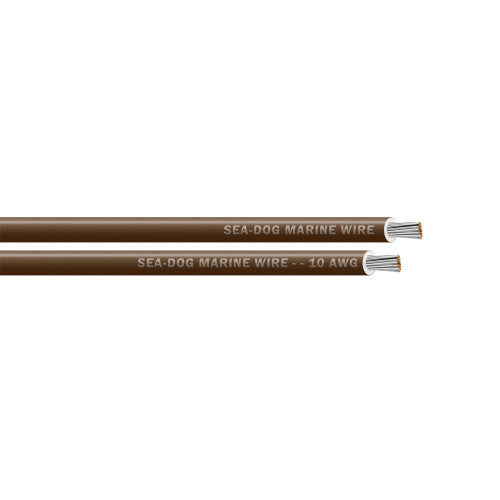
Sea-Dog 10 Awg Brown Primary Wire - 250''
$288.35$129.99 -
On Sale!
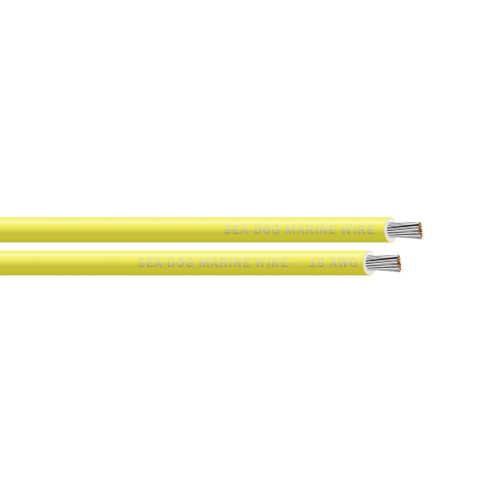
Sea-Dog 10 Awg Yellow Primary Wire - 250''
$288.35$129.99 -
On Sale!
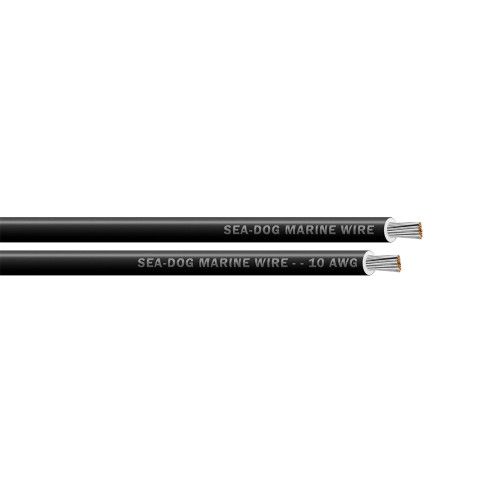
Sea-Dog 10 Awg Black Primary Wire - 250''
$288.35$129.99 -
On Sale!
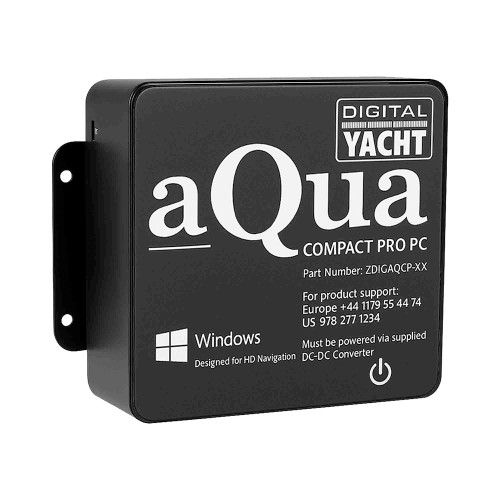
Digital Yacht Aqua Compact Pro+ Pc
$2,099.95$1,813.99 -
On Sale!

Bennett Marine Electric Dual-Station Helm Control
$699.00$635.99 -
On Sale!
Vetus Can Terminating Resistor V2
$81.47$62.99 -
On Sale!
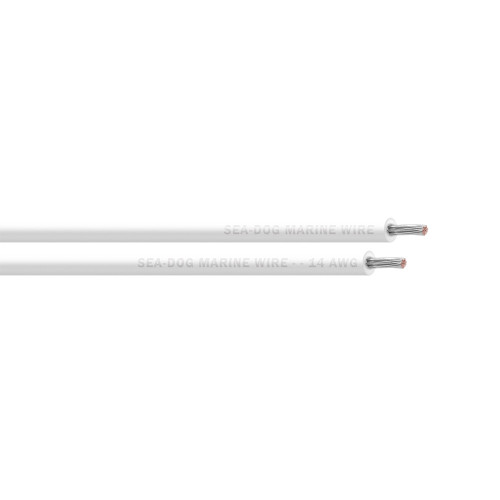
Sea-Dog 14 Awg White Primary Wire - 100''
$57.11$26.99 -
On Sale!

Sea-Dog 18/2 Awg Flat Duplex Wire - Red/Black - 100''
$83.26$43.99 -
On Sale!

-
On Sale!

Egis Maxibus - 6 5/16" Studs - 250 Amp
$71.00$34.99
Hardware
Marine hardware encompasses all mechanical fittings and fixtures that enable core vessel functions, from cleats and chocks that secure lines to hinges, latches, steering systems, and deck plates. Boat Supply Store carries 642 marine-grade hardware products across 24 brands, with specifications ranging from corrosion-resistant fasteners to precision-machined steering components engineered for demanding saltwater environments.
Choosing the Right Hardware for Your Vessel
The most common and costly mistake boaters make is installing hardware rated for automotive or residential use rather than marine-specific components. Standard zinc-plated or mild steel fittings corrode rapidly in marine environments, creating safety hazards when cleats fail under load or hinges seize from galvanic corrosion. Beyond material selection, improper sizing leads to premature failure—undersized cleats can't handle line loads, inadequately rated hinges bind under repeated cycles, and steering components without proper shaft taper create dangerous play in helm response.
Key Specifications to Evaluate
Material composition determines hardware longevity and performance. Type 316 stainless steel offers superior corrosion resistance compared to 304 stainless, particularly in saltwater applications where chloride exposure accelerates pitting. Cast 316 provides adequate strength for most cleats and chocks, while forged or machined 316 delivers higher tensile strength for high-load applications. Chrome-plated zamak (zinc-aluminum-magnesium-copper alloy) serves well for interior hardware like hinges and latches where direct saltwater exposure is minimal, but requires periodic inspection for base metal corrosion.
Load ratings separate functional hardware from liability risks. Cleats should be rated for at least three times your vessel's displacement, accounting for dynamic loads during docking in current or wind. A 30-foot cruiser displacing 8,000 pounds requires cleats rated to 24,000 pounds minimum—undersized hardware concentrates stress and can pull mounting bolts through deck core. Spring-loaded latches and compression latches must cycle thousands of times without mechanism fatigue; look for stainless steel springs and hardened strike plates rather than mild steel components that wear rapidly.
Mounting method impacts both holding strength and potential for deck damage. Through-bolted hardware with backing plates distributes loads across larger deck areas, preventing stress concentration that cracks gelcoat or crushes core material. Self-tapping screws work only in solid fiberglass sections at least 3/8 inch thick—never in cored composites where they provide minimal pull-out resistance. For steering wheels, shaft taper must match the helm hub precisely; the industry standard 3/4-inch tapered shaft uses a 7-degree taper that creates interference fit, while straight-bore applications require set screws and may develop play over time.
UV resistance and surface finish extend hardware life in constant sun exposure. Electropolished stainless steel resists fingerprints and corrosion better than mill-finished surfaces by removing surface contamination and free iron particles. Anodized aluminum hardware requires Type III hard anodizing for marine durability—decorative Type II anodizing wears through quickly. For electrical grounding, maintain metal-to-metal contact between hardware and bonding systems to prevent galvanic corrosion when dissimilar metals exist in close proximity.
Stainless Steel Alloy Comparison for Marine Hardware
| Alloy Type | Corrosion Resistance | Magnetic | Best Applications |
|---|---|---|---|
| 304 Stainless | Good in freshwater, adequate in saltwater with maintenance | Non-magnetic (austenitic) | Interior hardware, low-budget coastal cruising |
| 316 Stainless | Excellent in saltwater, industry standard for marine use | Non-magnetic (austenitic) | Cleats, chocks, hinges, latches, deck hardware |
| 17-4 PH Stainless | Very good, but requires passivation | Slightly magnetic (martensitic) | High-strength fasteners, steering shafts |
| 2205 Duplex | Superior to 316, twice the yield strength | Slightly magnetic | High-load cleats, propeller shafts, professional vessels |
Price Guide: What to Expect at Each Budget Level
Budget tier: $12.99–$45.00 — Basic cleats, hinges, latches, and fasteners in 304 stainless or chrome-plated zamak. Suitable for freshwater applications, trailer boats with limited exposure, or interior hardware where corrosion risk is minimal. Expect functional performance but shorter service life and more frequent replacement cycles in demanding saltwater environments.
Mid-range tier: $45.00–$250.00 — Quality 316 stainless hardware with proper load ratings, backing plates, and marine-grade finishes. This tier includes most deck hardware, mid-size cleats rated for vessels up to 35 feet, heavy-duty hinges with sealed bearings, and compression latches with stainless mechanisms. Most recreational boaters find this range delivers the best balance of durability and value for regular saltwater use.
Premium tier: $250.00–$1072.99 — Professional-grade steering systems, carbon fiber wheels, forged 316 or duplex stainless cleats for large vessels, and specialized hardware requiring precision machining. Premium components feature advanced materials like carbon fiber for weight reduction, electropolished surfaces for maximum corrosion resistance, and engineering tolerances that eliminate play or flex under load. Commercial operators and performance-oriented boaters justify the investment through extended service life and superior reliability in harsh conditions.
How the Top Hardware Compare
| Feature | Schmitt Marine Carbon Fiber Primus Wheel |
|---|---|
| Material | Carbon fiber rim with Santoprene finger grips |
| Diameter | 13.5 inches |
| Shaft Compatibility | 3/4-inch tapered shaft with 7-degree taper |
| Weight | Significantly lighter than stainless or aluminum wheels |
| Best For | Performance vessels, weight-conscious installations, premium helm upgrades |
Our Top Picks for Hardware
These selections represent proven reliability across different vessel types and budget requirements, chosen for material quality and engineering precision.
Schmitt Marine Carbon Fiber Primus Wheel w/Knob 13.5" w/Santoprene Finger Grip 3/4" Tapered Shaft w/CF Nut
Schmitt Marine | $1072.99
Carbon fiber construction reduces rotational inertia for improved helm response while Santoprene finger grips maintain traction in wet conditions without cold-weather hardening.
- Factory-matched 7-degree tapered shaft with carbon fiber locking nut eliminates play and maintains zero-backlash steering geometry over years of service
Trusted Hardware Brands We Carry
Whitecap Industries dominates our hardware selection with 188 products averaging $69.19, building their reputation on consistent 316 stainless quality and comprehensive product lines covering deck hardware, rails, and fittings. Schmitt Marine specializes in premium steering systems where precision machining and advanced materials like carbon fiber deliver tangible performance advantages in helm feedback and durability. Established manufacturers like Sea-Dog, Perko, and Southco round out the category with decades of marine-specific engineering experience, ensuring every hinge pin, latch mechanism, and cleat base meets ABYC standards and survives prolonged saltwater exposure without degradation.
Frequently Asked Questions
What's the difference between 304 and 316 stainless steel for marine hardware?
Type 316 stainless contains 2-3% molybdenum, which significantly improves resistance to chloride-induced pitting corrosion in saltwater environments. Type 304 lacks molybdenum and develops surface rust and pitting within months of saltwater exposure, particularly in crevices where oxygen concentration is low. For any hardware that contacts saltwater or experiences regular spray—cleats, chocks, hinges, latches—316 stainless is the minimum acceptable specification. Interior hardware in freshwater boats can use 304 stainless without accelerated corrosion, but the material cost difference is minimal enough that 316 provides better long-term value. Both alloys are non-magnetic austenitic stainless, so magnetic testing cannot distinguish them—verify material certification from manufacturers before installation.
How do I determine the correct cleat size for my boat?
Cleat sizing follows two critical criteria: vessel length and displacement. A general rule specifies 1 inch of cleat length per 10 feet of boat length, but displacement determines actual load requirements. Your cleat's working load limit should equal at least three times your vessel's displacement to handle dynamic loads from wind, current, and wave action during docking. A 30-foot boat displacing 8,000 pounds requires cleats rated to 24,000 pounds minimum—typically 10-inch cleats in quality 316 stainless. Undersized cleats concentrate stress on mounting points and can pull through deck core or fail at the horn base. For spring lines and bow/stern loads that experience angular loading, increase the safety factor to 4:1 displacement ratio.
Can I install deck hardware with screws instead of through-bolting?
Self-tapping screws work only in solid fiberglass at least 3/8 inch thick and should never secure hardware subject to significant loads. Cored decks—which include most production boats built after 1970—require through-bolts with backing plates to distribute loads across structural layers and prevent core compression. Screws into balsa, foam, or honeycomb core provide minimal pull-out resistance and will fail under load, often tearing out chunks of core material with catastrophic results for cleats or anchoring hardware. When through-bolting cored decks, seal all holes with epoxy to prevent water intrusion that rots core material. Use backing plates sized to spread loads—minimum 1/4-inch thick aluminum or G10 fiberglass extending 2 inches beyond bolt patterns in all directions.
What shaft taper do I need for a replacement steering wheel?
The marine industry standard is a 3/4-inch diameter shaft with a 7-degree taper, which creates an interference fit that locks the wheel without requiring excessive torque on the retaining nut. Measure your existing shaft diameter at the base (widest point) and verify the taper angle—some older systems use 5/8-inch shafts or straight-bore designs that require set screws. Tapered shafts are self-centering and maintain zero play indefinitely when properly installed; straight-bore wheels develop rotational slop as set screws loosen or wear grooves in the shaft. If converting from a straight-bore to tapered system, you may need to replace the entire helm or install a tapered adapter sleeve. Never force a mismatched taper—incorrect angles cause binding or looseness that creates dangerous steering play.
How do I prevent galvanic corrosion between dissimilar metal hardware?
Galvanic corrosion occurs when dissimilar metals contact in the presence of an electrolyte (saltwater), creating a battery cell where the more anodic metal corrodes to protect the cathodic metal. Prevent galvanic action by isolating dissimilar metals with nylon or G10 washers, using insulating bedding compounds, or selecting hardware from the same alloy family. When mixing metals is unavoidable—such as stainless hardware on aluminum rails—install the most anodic metal (aluminum) as the larger mass to slow corrosion rates. Connect all underwater metals to a proper electrical bonding system with sacrificial zinc anodes that corrode preferentially, protecting structural hardware. Regularly inspect anodes and replace when 50% depleted to maintain protection. Paint or powder coating creates barriers but fails at scratches, so mechanical isolation with insulators provides more reliable long-term protection.
Need help selecting the right Hardware for your vessel? Contact our technical support team for a free system review — we'll help you spec the right components for your boat's requirements.