
-
On Sale!
-
On Sale!

Mercury Style
$35.99 -
On Sale!

Mercury Style
$36.99 -
On Sale!
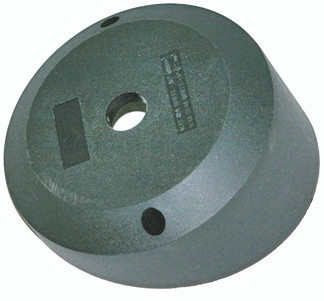
20'' Bezel
$37.99 -
On Sale!

Mercury Style
$36.99 -
On Sale!

Mariner (Up To 40 Hp)
$36.99 -
On Sale!

Volvo Sx
$37.99 -
On Sale!

Mariner (Up To 40 Hp)
$37.99 -
On Sale!

Volvo Sx Control Cable
$46.99 -
On Sale!

Universal 3300 Style
$39.99 -
On Sale!

Mariner (Up To 40 Hp)
$40.99 -
On Sale!

Pre 1979 Omc J/E
$40.99 -
On Sale!

10'' 4000/4500 Gen Ii
$40.99 -
On Sale!

Mariner (Up To 40 Hp)
$41.99 -
On Sale!

Universal 3300 Style
$42.99 -
On Sale!

Mariner (Up To 40 Hp)
$42.99 -
On Sale!

1979 & Later Omc J/E
$42.99 -
On Sale!

1979 & Later Omc J/E
$43.99 -
On Sale!

Pre 1979 Omc J/E
$43.99 -
On Sale!

1979 & Later Omc J/E
$43.99
Navigation & Instruments
Navigation and instruments are the sensory systems that provide critical positional awareness, depth readings, speed data, and directional guidance while underway. Boat Supply Store stocks 1212 marine-grade navigation solutions including GPS chartplotters, depth sounders, autopilots, compasses, multi-function displays, and instrument systems from 46 specialized manufacturers. Modern navigation equipment integrates NMEA 2000 and NMEA 0183 networks to share vessel data across displays, radar, sonar, and communication devices, creating a unified electronic helm that improves situational awareness and operational safety regardless of visibility conditions.
Choosing the Right Navigation & Instruments for Your Vessel
The most common failure in navigation system selection is mismatched screen size and resolution for the mounting location and typical operating conditions. A chartplotter that works perfectly on a center console at eye level becomes unreadable in direct sunlight or from a flybridge helm position six feet away. Similarly, transducers selected without considering hull material, deadrise angle, and operating speed produce unreliable depth and fish-finding data. Integration compatibility creates another pitfall when boaters purchase instruments from multiple manufacturers without verifying NMEA protocol support, resulting in devices that cannot communicate vessel speed to the autopilot or share GPS position data with the VHF radio's DSC function.
Key Specifications to Evaluate
Screen size and resolution determine readability at your helm position. Measure the viewing distance from your normal operating position to the intended mounting location—7-inch displays work for distances under four feet, 9-inch units handle four to six feet, and 12-inch or larger screens suit flybridge and larger vessel applications. Resolution matters more than size alone: 800x480 pixel displays appear pixelated compared to 1280x800 or higher resolution units, particularly when viewing detailed chart work or split-screen configurations. Optical bonding eliminates the air gap between the display and protective glass, dramatically improving sunlight readability and viewing angles.
Transducer technology separates basic depth sounders from advanced fishfinding and bottom-mapping systems. Single-frequency 200kHz transducers provide adequate depth readings in most conditions. Dual-frequency models add 50kHz for deeper water and better bottom detail. CHIRP (Compressed High-Intensity Radiated Pulse) technology transmits across a range of frequencies rather than a single ping, producing superior target separation and arch definition. Side-scanning and down-scanning imaging use different beam patterns to create photographic bottom views rather than traditional sonar returns. Match transducer mounting style to your hull: transom-mount for trailered boats, thru-hull for permanent installations on larger vessels, and in-hull for boats where through-hull penetrations are impractical.
Network architecture determines system expandability and data-sharing capability. NMEA 2000 is the current standard for marine electronics, using a backbone cable with drop connections that allow any device to share data with any other compatible device on the network. Older NMEA 0183 uses point-to-point wiring and requires specific talker-listener connections. Modern chartplotters typically support both protocols, but verify compatibility before purchasing add-on instruments, autopilots, or engine monitoring systems. WiFi and Bluetooth connectivity enable smartphone and tablet integration for chart updates, remote viewing, and app-based control functions.
Power consumption and voltage compatibility affect electrical system design, especially when installing multiple displays and high-powered electronics. Entry-level 7-inch chartplotters draw 15-20 watts, while 16-inch multi-function displays with radar integration can exceed 50 watts. Calculate total system draw including all displays, instruments, autopilot, and radar to ensure your battery capacity and charging system can support extended operation. Most marine electronics operate on 12VDC systems, but larger vessels with 24VDC or 32VDC systems require voltage converters or specifically rated equipment.
NMEA 2000 Device Categories and Network Planning
| Device Type | Typical Load (LEN) | Data Transmitted | Network Priority |
|---|---|---|---|
| GPS Antenna/Receiver | 1 LEN | Position, speed, heading, time | Critical |
| Depth/Speed/Temp Transducer | 1 LEN | Water depth, vessel speed, water temperature | High |
| Multi-Function Display | 2-3 LEN | Requests and displays all network data | High |
| Autopilot Computer | 2 LEN | Heading commands, rudder position feedback | Critical |
| Wind Sensor | 1 LEN | Apparent/true wind speed and angle | Medium |
| Engine Gateway | 1 LEN | RPM, temperature, pressure, fuel flow | High |
Price Guide: What to Expect at Each Budget Level
Budget tier: $11.99–$215 — Standalone analog instruments including panel-mount depth sounders, fluid-filled compasses, and basic GPS receivers without chartplotting capability. These serve specific single-function needs like replacing a failed gauge or adding a cockpit-mount compass, but lack networking capability and integration features. Suitable for small boats under 20 feet, auxiliary displays, or backup systems.
Mid-range tier: $215–$630 — Entry-level GPS chartplotters with 5-7 inch screens, basic CHIRP fishfinders, and networked digital instruments. This range includes combination units that merge GPS navigation with fishfinding functions, making them popular for center console boats and runabouts where space is limited. Displays in this category typically offer preloaded coastal charts, smartphone connectivity, and NMEA 2000 compatibility for system expansion. Most recreational boaters operating vessels under 30 feet find this tier provides the functionality they need without paying for professional-grade features.
Premium tier: $630–$6872.99 — Large-format multi-function displays with 9-16 inch touchscreens, integrated radar and autopilot systems, advanced CHIRP sonar with side-scanning and down-scanning imaging, and complete instrument packages like the Veratron Navigation Kit Plus f/Sailboats that provide turnkey solutions. Premium units feature high-resolution displays with optical bonding, dual-core processors for smooth operation when running multiple data sources, built-in WiFi for chart updates and mobile device integration, and support for add-on modules including satellite weather, AIS integration, and thermal imaging. This tier serves serious offshore cruisers, commercial operators, and performance sailors who depend on professional-grade reliability and advanced features.
How the Top Navigation & Instruments Compare
| Feature | Veratron Navigation Kit Plus |
|---|---|
| System Type | Complete instrument package for sailboats |
| Display Configuration | Multiple networked displays with dedicated functions |
| Network Protocol | NMEA 2000 backbone with distributed sensors |
| Included Sensors | GPS, depth/speed/temp, wind, compass heading |
| Installation Complexity | Professional installation recommended for full system integration |
Our Top Picks for Navigation & Instruments
These systems represent proven solutions across different vessel types and operating requirements, selected for integration capability and long-term reliability.
Veratron Navigation Kit Plus f/Sailboats
Veratron | $2979.99
This complete navigation package integrates GPS position, depth sounder, speed log, wind instruments, and compass heading into a unified NMEA 2000 network specifically designed for sailing vessel requirements.
- Turnkey system eliminates component compatibility concerns and provides matched displays with consistent interface design across all instruments, reducing learning curve and installation time
Trusted Navigation & Instruments Brands We Carry
Garmin dominates the recreational marine electronics market with 289 products in our inventory, offering GPS chartplotters, fishfinders, autopilots, radar systems, and networked instruments that share data seamlessly across their ecosystem. Veratron specializes in analog and digital instrumentation for both power and sail applications, with particular strength in ruggedized displays that withstand constant saltwater exposure. Raymarine and Furuno serve professional and serious cruising markets with advanced radar integration, thermal imaging capability, and chart systems that support worldwide navigation. Standard Horizon provides VHF radios with integrated GPS that communicate position data across NMEA networks for DSC emergency calling.
Frequently Asked Questions
What is the difference between a GPS chartplotter and a fishfinder?
A GPS chartplotter displays your vessel's position on electronic nautical charts and provides waypoint navigation, route planning, and track recording functions. A fishfinder uses sonar technology to display water depth, bottom structure, and fish targets below the transducer. Many modern units combine both functions in a single display, using split-screen views to show chart data on one side and sonar returns on the other. Combination units share a single GPS antenna and screen, reducing installation complexity and cost compared to separate dedicated devices. If you navigate in unfamiliar territory or need detailed chart work, prioritize chartplotter screen size and chart detail over sonar capability.
Do I need NMEA 2000 or is NMEA 0183 sufficient for my boat?
NMEA 2000 uses a plug-and-play backbone architecture where all devices connect to a single network cable and automatically share data bidirectionally, while NMEA 0183 requires individual wire connections between specific devices with designated talker and listener roles. For new installations or system upgrades, choose NMEA 2000 for easier expansion and superior data-sharing capability. NMEA 0183 remains adequate for simple two-device connections like GPS-to-VHF or GPS-to-autopilot, and many modern displays include both protocols for backward compatibility with older equipment. If you plan to add radar, AIS, engine monitoring, or multiple displays, NMEA 2000 eliminates the wiring complexity and data bottlenecks inherent in NMEA 0183 networks.
How do I select the correct transducer for my boat?
Match the transducer mounting style to your hull material and boat usage. Transom-mount transducers attach to the outside of the transom and work well for trailered boats with deadrise angles under 20 degrees, though they create minor drag and are vulnerable to impact damage. Thru-hull transducers mount flush with the hull bottom, eliminate drag, and provide optimal performance on boats that remain in the water year-round, but require drilling through the hull below the waterline. In-hull or shoot-through transducers mount inside the hull against solid fiberglass layup without penetrating the hull, suitable for cored hulls or boats where through-hull installation is impractical, though they sacrifice some signal strength. Consider frequency selection: 200kHz provides good detail in depths to 600 feet, 50kHz reaches deeper water, and CHIRP technology across multiple frequencies delivers superior target separation regardless of depth.
Can I install marine electronics myself or do I need professional installation?
Basic chartplotter and fishfinder installations with transom-mount transducers are within the capability of most boat owners who can run cables, make proper 12VDC connections with heat-shrink terminals, and mount displays securely. Thru-hull transducer installations require precise location selection, hull drilling below the waterline, and proper bedding compound application—errors result in leaks or poor transducer performance, making professional installation advisable. NMEA 2000 network installations require understanding of backbone sizing, termination resistors, power tap location, and device load calculations to ensure reliable operation. Complex systems integrating radar, autopilot, multiple displays, and engine data benefit from professional installation to ensure proper wire routing, RF interference mitigation, and system configuration.
What size chartplotter screen do I need for my boat?
Screen size depends on viewing distance and typical operating conditions rather than boat length. Measure from your normal helm seating or standing position to the planned mounting location: 7-inch displays work for distances up to four feet, 9-inch screens suit four to six feet, 12-inch units handle six to eight feet, and 16-inch displays serve flybridge helms or positions beyond eight feet. Bright sunlight conditions and split-screen usage favor larger displays even at shorter distances. For boats with multiple helm stations, install appropriately sized displays at each location rather than expecting a single large display to serve distant viewing positions. Consider mounting height and angle—displays mounted above eye level or with steep viewing angles appear darker and harder to read regardless of screen size.
Need help selecting the right Navigation & Instruments for your vessel? Contact our technical support team for a free system review — we'll help you spec the right components for your boat's requirements.