
-
On Sale!
-
On Sale!

-
On Sale!

-
On Sale!

-
On Sale!
-
On Sale!
-
On Sale!
-
On Sale!

-
On Sale!
-
On Sale!
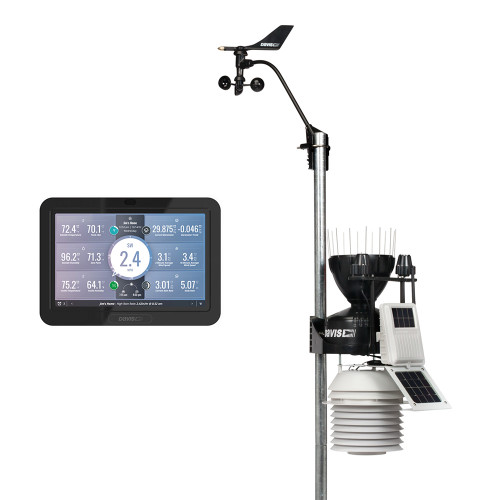
Davis Instruments
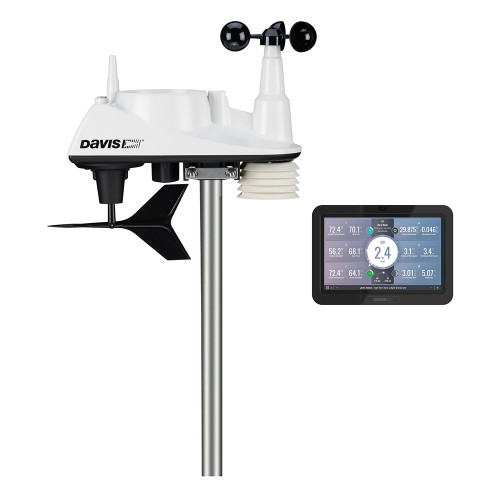
Davis Vantage Pro2 Wireless Weather Station w/WeatherLink Console, 24hr Fan Aspirated Radiation Shield, UV & Solar Sensors
$2,030.00$1,849.99 -
On Sale!

Davis Instruments
Davis Vantage Pro2 Plus Wireless Weather Station w/UV & Solar Radiation Sensors and WeatherLink Console
$1,610.00$1,466.99 -
On Sale!
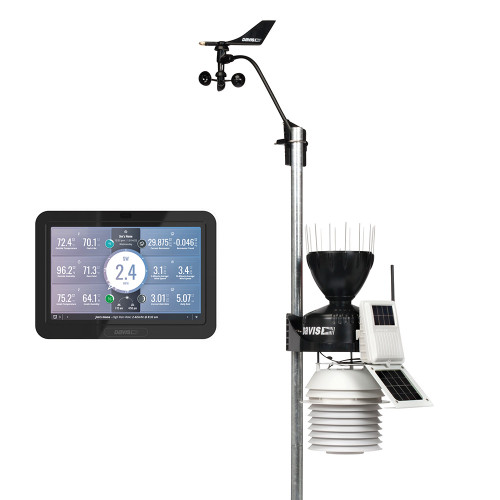
Davis Instruments
Davis Vantage Pro2 Wireless Weather Station w/WeatherLink Console & 24hr Fan Aspirated Radiation Shield
$1,455.00$1,325.99 -
On Sale!
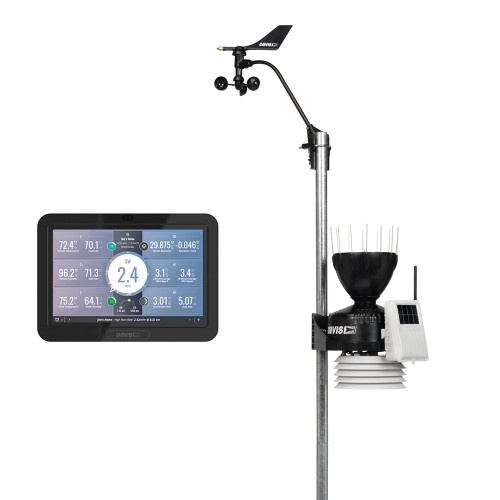
Davis Instruments
Davis Vantage Pro2 Wireless Weather Station w/WeatherLink Console & Standard Radiation Shield
$943.99 -
On Sale!
-
On Sale!

-
On Sale!

-
On Sale!
-
On Sale!

-
On Sale!
-
On Sale!
Outdoor
Marine outdoor gear includes weather monitoring equipment, portable cooking systems, cooling solutions, and camping accessories engineered to withstand continuous salt spray exposure, UV degradation, and the constant motion of vessel operations. Boat Supply Store stocks 251 outdoor products across 37 specialized brands, spanning from compact portable coolers to professional-grade wireless weather stations with integrated data logging capabilities.
Choosing the Right Outdoor Equipment for Your Vessel
The primary failure mode in marine outdoor gear stems from selecting products designed for terrestrial use rather than marine-specific applications. Standard household coolers lose insulation efficiency within a season due to hinge corrosion and gasket degradation from salt exposure. Non-marine weather instruments provide false readings when mounted on moving platforms or fail completely when moisture penetrates inadequately sealed electronics. Cooking equipment without proper gimbal systems or corrosion-resistant burners becomes hazardous in offshore conditions. The cost of replacing failed equipment typically exceeds the initial price difference between marine-rated and consumer-grade alternatives by 300-400%.
Key Specifications to Evaluate
Weather monitoring systems require three critical marine-specific features: aspiration shields for accurate temperature readings in direct sunlight, corrosion-resistant anemometer bearings rated for continuous salt air exposure, and wireless transmission ranges that account for antenna height limitations on smaller vessels. Professional installations use fan-aspirated radiation shields rather than passive designs, reducing solar-induced temperature errors from 8-12°F down to 1-2°F. Barometric sensors must provide 0.1 mb resolution for meaningful weather pattern analysis, while UV sensors require calibrated spectral response matching NOAA standards.
Marine coolers differ fundamentally from camping coolers in three specifications: gasket compound formulation, hinge material selection, and insulation foam density. Premium marine coolers use closed-cell polyurethane foam at 2.0 lb/ft³ density rather than the 0.8-1.2 lb/ft³ density found in budget models, extending ice retention from 3-4 days to 7-10 days in ambient temperatures above 85°F. Hinges must be 316 stainless steel with nylon bushings rather than zinc alloy, which experiences galvanic corrosion failure within 18-24 months of saltwater exposure. Gasket material should be UV-stabilized EPDM rubber rather than standard neoprene, which hardens and loses compression set after 500-600 hours of direct sun exposure.
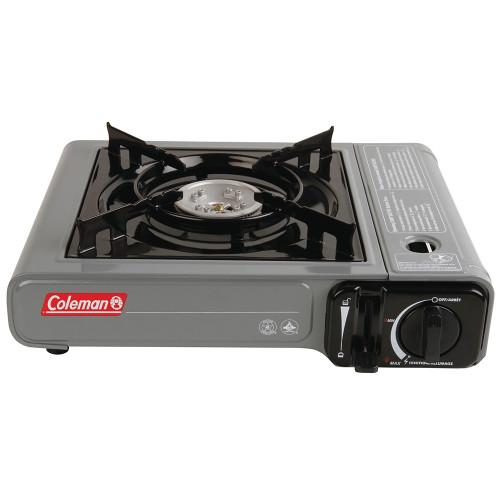
Portable cooking systems for marine use require ignition systems sealed to IPX6 standards minimum, as standard piezo igniters fail when moisture penetrates the ceramic element. Burner output must be specified in BTU/hr at actual propane pressure rather than theoretical maximum, since regulator pressure drops 15-20% at tank temperatures below 40°F. Grill grates should be 304 stainless rather than porcelain-coated steel, which chips from impact and initiates rapid corrosion. Look for products with explicit ABYC A-1 compliance for boat-mounted cooking appliances, addressing flame failure safety and ventilation requirements.
Material specifications separate marine-grade from consumer products across all outdoor categories. Fasteners and structural components should be 316 stainless steel rather than 304, providing 40% greater chloride corrosion resistance. Plastics must include UV stabilizer packages rated for 2000+ hours QUV-A exposure without embrittlement. Fabrics require solution-dyed acrylic or PVC-coated polyester rather than piece-dyed materials, which fade 60-80% within one season of marine exposure. Electronics housings need conformal coating on circuit boards and sealed membrane switches rather than standard tactile switches, which allow salt creep into control circuits.
Marine Outdoor Equipment Material Standards
| Component Type | Consumer Grade | Marine Grade | Expected Service Life |
|---|---|---|---|
| Fasteners/Hardware | Zinc-plated steel, 304 SS | 316 stainless steel | 10+ years vs 2-3 years |
| Cooler Hinges | Zinc alloy, plastic | 316 SS with nylon bushings | 15+ years vs 1-2 years |
| Plastic Housings | Standard ABS/PP | UV-stabilized (2000+ hr QUV) | 8+ years vs 2-3 years |
| Grill Grates | Porcelain-coated steel | 304 stainless steel | 12+ years vs 3-4 years |
| Fabric/Canvas | Piece-dyed polyester | Solution-dyed acrylic | 7+ years vs 1-2 seasons |
| Electronics Sealing | IP54 (splash resistant) | IP66+ (pressurized water) | 10+ years vs 2-3 years |
Price Guide: What to Expect at Each Budget Level
Budget tier: $12.99–$75 — Basic portable coolers with 1.0-1.2 lb/ft³ foam density providing 2-3 day ice retention, simple analog weather instruments, and entry-level camping accessories with minimal corrosion protection. Appropriate for freshwater use or occasional saltwater exposure with rigorous freshwater rinsing. Expect 2-4 year service life with proper maintenance.
Mid-range tier: $75–$400 — Where most cruising boaters invest, this tier delivers rotomolded coolers with 1.8-2.0 lb/ft³ insulation and 316 stainless hardware, digital weather stations with wireless connectivity, and marine-grade cooking systems with sealed ignition. Products include UV-stabilized plastics and basic waterproofing to IP65 standards. Expect 6-10 year service life in typical saltwater environments.
Premium tier: $400–$1859.99 — Professional weather monitoring systems with fan-aspirated shields, data logging, and NOAA-calibrated sensors providing research-grade accuracy. Includes expedition-grade coolers with 10+ day ice retention, commercial marine cooking systems with flame failure safety, and equipment meeting or exceeding ABYC standards. Designed for offshore passage-making and continuous liveaboard use with 12-20 year service life expectations.
How the Top Outdoor Products Compare
| Feature | Davis Vantage Pro2 Weather Station |
|---|---|
| Temperature Accuracy | ±0.5°F with fan aspiration |
| Wind Speed Range | 1-200 mph (corrosion-resistant bearings) |
| Wireless Range | 1000 ft line-of-sight |
| Data Logging | WeatherLink console with export capability |
| Sensor Package | UV, solar radiation, barometric, humidity |
Our Top Picks for Outdoor
These products represent the intersection of proven marine reliability and measurable performance advantages in actual offshore conditions.
Davis Vantage Pro2 Wireless Weather Station w/WeatherLink Console, 24hr Fan Aspirated Radiation Shield, UV & Solar Sensors
Davis Instruments | $1859.99
Professional-grade system with fan-aspirated radiation shield eliminates solar-induced temperature errors for NOAA-calibrated accuracy in direct sun exposure.
- 24-hour fan aspiration maintains ±0.5°F accuracy versus ±8-12°F error in passive shields, critical for accurate weather pattern analysis and barometric trend correlation during offshore passage planning.
Trusted Outdoor Brands We Carry
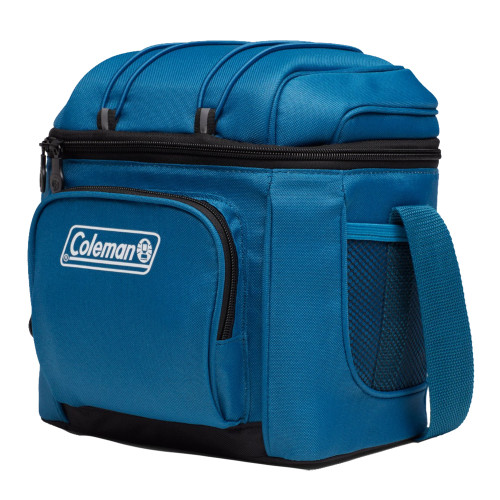
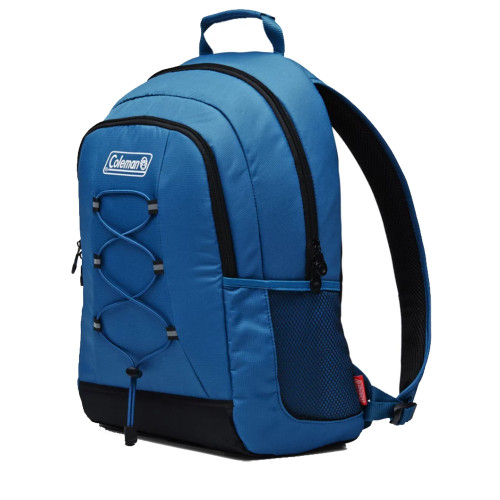
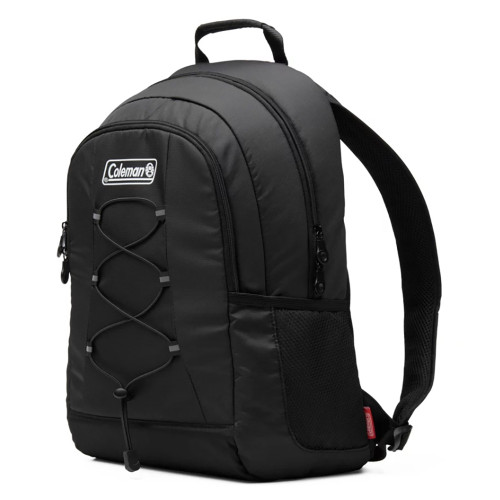
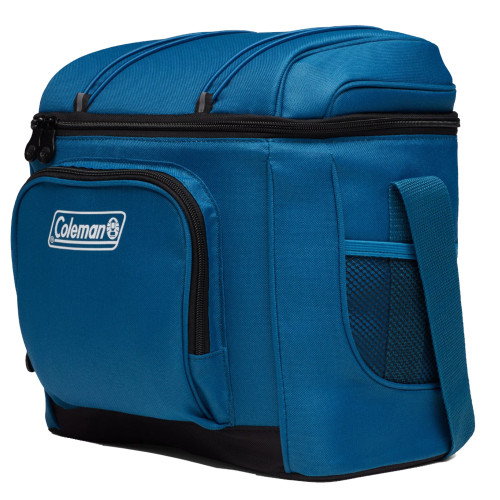
Coleman dominates our marine outdoor selection with 43 products averaging $102.48, representing 80+ years of portable outdoor equipment engineering with specific marine product lines featuring upgraded corrosion resistance. Davis Instruments provides the industry standard for vessel-mounted weather monitoring, with their Vantage Pro systems installed on NOAA research vessels and commercial fishing fleets requiring research-grade environmental data. We stock brands that maintain dedicated marine product lines rather than rebranding consumer products, ensuring you receive equipment engineered for the continuous vibration, salt exposure, and UV intensity that characterizes the marine environment.
Frequently Asked Questions
What temperature accuracy do I actually need from a marine weather station?
For recreational cruising and basic weather awareness, ±2°F accuracy suffices for monitoring comfort conditions and general weather patterns. Serious offshore passage-making requires ±0.5°F accuracy with fan aspiration to properly interpret barometric trends, since a 2-3°F temperature error translates to false pressure readings of 0.3-0.5 mb when calculating pressure adjusted to sea level. This accuracy threshold becomes critical when tracking tropical systems or frontal passages where 1-2 mb pressure changes over 3-hour periods indicate significant weather developments. Fan-aspirated systems like the Davis Vantage Pro2 maintain this accuracy in direct sunlight, while passive shields show 8-12°F errors that render barometric trend analysis unreliable. If you're running navigation instruments that integrate weather data for routing calculations, research-grade accuracy prevents false storm warnings and improves arrival time predictions by 15-20%.
Why do marine coolers cost 3-4 times more than similar-sized camping coolers?
The price differential reflects fundamental construction differences rather than marketing markup. Marine coolers use 2.0 lb/ft³ density closed-cell polyurethane foam versus 0.8-1.2 lb/ft³ in camping models, effectively doubling the insulation R-value and extending ice retention from 3-4 days to 7-10 days in 85°F+ ambient temperatures. Hinge assemblies use 316 stainless steel with nylon bushings engineered for 50,000+ cycles in salt spray, while camping cooler zinc alloy hinges fail via galvanic corrosion within 18-24 months of marine exposure. Gasket compounds in marine coolers use UV-stabilized EPDM that maintains compression set after 1000+ hours of sun exposure, versus standard neoprene that hardens and loses sealing capability after 500-600 hours. The total cost of ownership calculation favors marine coolers when replacement costs are factored, since a $300 marine cooler lasting 12-15 years costs less annually than a $80 camping cooler requiring replacement every 2-3 years.
Can I mount a standard propane grill on my boat or do I need marine-specific equipment?
ABYC A-1 standards require boat-mounted cooking appliances to include flame failure safety devices, sealed ignition systems rated to IP66 minimum, and specific ventilation clearances that standard terrestrial grills don't meet. The primary safety concern involves propane accumulation in enclosed spaces if a burner extinguishes unexpectedly due to wave action or wind, creating explosion hazards in bilges and cabin spaces. Marine grills incorporate thermocouple flame sensors that shut off gas flow within 30-45 seconds of flame extinction, while standard grills lack this protection. Ignition systems must be sealed against moisture intrusion, as salt creep into standard piezo igniters causes failure within 20-30 ignition cycles in marine environments. Grill grates should be 304 stainless rather than porcelain-coated steel, which chips from impact in rough conditions and initiates rapid corrosion. Insurance surveys frequently cite non-marine cooking equipment as deficiencies that can affect coverage, making proper marine equipment a liability consideration beyond safety requirements.
How do I size a weather station anemometer height for accurate wind readings on my vessel?
Anemometer placement requires mounting at least 2-3 feet above any obstruction within a 30-foot radius to avoid turbulent flow that causes reading errors of 15-25%. On sailboats, masthead mounting provides the cleanest airflow but requires wire runs of 40-60 feet that can introduce voltage drop issues with some wireless systems, making the Davis Vantage Pro2's 1000-foot wireless range advantageous for eliminating wire runs. Powerboats typically mount anemometers on arch or hardtop structures, requiring 3-4 feet of vertical clearance above the mounting surface to escape the boundary layer turbulence. Corrosion-resistant bearings become critical in marine installations, as standard ball bearings seize from salt intrusion within 6-12 months, causing low-speed wind reading errors where the sensor requires 3-5 mph wind to overcome friction rather than the 1 mph threshold of properly maintained marine bearings. Plan to service anemometer bearings annually with fresh water flushing and appropriate marine lubricant to maintain accuracy specifications.
What's the functional difference between UV-stabilized and standard plastics in marine outdoor gear?
UV stabilizer packages in marine plastics absorb ultraviolet radiation before it can break polymer chains, preventing the embrittlement and strength loss that renders standard plastics brittle after 500-800 hours of direct sun exposure. Marine-grade UV stabilization rated for 2000+ hours QUV-A accelerated testing translates to 8-10 years of actual service versus 2-3 years for standard plastics in the high UV intensity of marine environments. The failure mode in unstabilized plastics involves surface chalking and microcracking that propagates into structural failure, particularly at stress concentration points like hinge mounting bosses and handle attachment points. This becomes a safety concern when cooler handles fail under load or weather instrument housings crack and allow moisture intrusion into electronics. Quality marine products specify actual QUV-A test hours rather than vague claims of UV resistance, allowing you to verify adequate protection for the intense solar radiation encountered during summer months when cockpit surfaces receive 8-10 hours of direct exposure daily.
Need help selecting the right Outdoor equipment for your vessel? Contact our technical support team for a free system review — we'll help you spec the right components for your boat's requirements.