
-
On Sale!

-
On Sale!
-
On Sale!

-
On Sale!

-
On Sale!
-
On Sale!
-
On Sale!
-
On Sale!
-
On Sale!

-
On Sale!
-
On Sale!

-
On Sale!
-
On Sale!

-
On Sale!
-
On Sale!

-
On Sale!
-
On Sale!

-
On Sale!
-
On Sale!

-
On Sale!

Hunting & Fishing
Marine hunting and fishing equipment includes specialized hardware, rod holders, outriggers, tackle storage systems, fishfinders, and mounting solutions engineered to withstand continuous saltwater exposure and the mechanical stress of offshore conditions. Boat Supply Store stocks 911 products across 42 brands, from basic tackle organizers to carbon fiber tournament-grade outrigger systems designed for serious anglers who demand reliability when targeting pelagic species.
Choosing the Right Hunting & Fishing Equipment for Your Vessel
Most equipment failures on fishing boats stem from inadequate corrosion protection and improper load ratings. A rod holder that works fine on a pontoon boat will crack under the torque of a large tuna on a center console running in three-foot seas. Outriggers without proper spreader geometry create unbalanced loads that stress gunwale mounts and lead to catastrophic failure during deployment. The marine environment accelerates every weakness in materials and design—stainless steel grades matter, reinforcement points determine longevity, and mounting locations affect both functionality and structural integrity of your vessel.
Key Specifications to Evaluate
Material selection drives durability in marine fishing equipment. Stainless steel components should be 316-grade for saltwater use—304 stainless will pit and corrode within a season in offshore environments. Aluminum parts require marine-grade 5052 or 6061 alloy with proper anodization or powder coating. Plastics must be UV-stabilized polycarbonate or reinforced nylon; standard ABS and PVC become brittle after six months of sun exposure. Carbon fiber outriggers offer the best strength-to-weight ratio for serious offshore work, but only if the resin system is marine-grade epoxy rather than polyester.
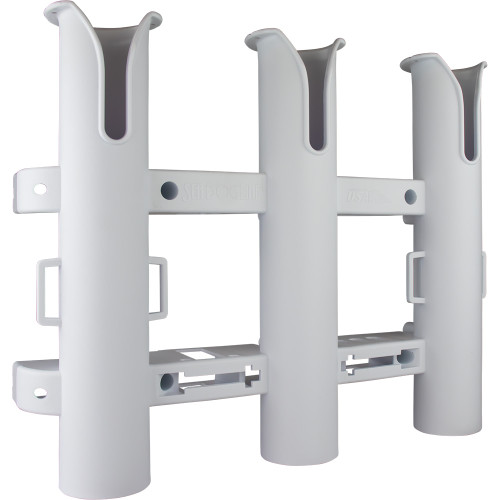
Rod holder specifications include tube diameter, depth, and drain configuration. Standard holders accommodate rods with 1.5-inch to 1.75-inch butts, but big-game setups require 2-inch tubes with reinforced bases. Depth matters for balance—shallow holders let rods bounce out in rough seas, while overly deep tubes make quick rod retrieval difficult during a strike. Gunwale-mount holders need backing plates that distribute loads across at least four square inches; through-bolting without proper reinforcement will tear fiberglass or crack aluminum.
Outrigger systems scale with boat length and fishing style. Boats under 25 feet typically run 15-foot poles, while 30-foot sportfishers need 18 to 22-foot outriggers to achieve proper bait spread. Telescoping poles reduce storage height but add mechanical complexity and potential failure points. Fixed-length poles are more reliable but require higher bridges or storage solutions. Mount types include gunwale tracks, hardtop mounts, and T-top bases—each has specific load paths that must align with your hull structure. Release clips, halyards, and rigging hardware must match the pole's working load limit.
Tackle storage systems require marine-grade latches, stainless or brass hinges, and proper drainage. Sealed boxes protect electronics and rust-prone terminal tackle, but they need pressure equalization vents to prevent vacuum lock in changing temperatures. Drawer systems with ball-bearing slides operate smoothly but require regular freshwater flushing to prevent salt buildup. Mounting height and location affect accessibility—under-gunwale boxes stay out of the way but become hard to reach in rough conditions, while console-mounted units provide quick access but consume valuable deck space.
Outrigger Sizing by Boat Length
| Boat Length | Recommended Pole Length | Typical Spread Width | Maximum Line Capacity |
|---|---|---|---|
| 18-23 feet | 12-15 feet | 20-25 feet | 2 lines per side |
| 24-28 feet | 15-18 feet | 25-30 feet | 3 lines per side |
| 29-35 feet | 18-22 feet | 30-36 feet | 4 lines per side |
| 36-45 feet | 22-27 feet | 36-45 feet | 5+ lines per side |
Price Guide: What to Expect at Each Budget Level
Budget tier: $13.99–$100 — Entry-level rod holders, basic tackle boxes, simple rail-mount accessories, and replacement rigging hardware. Adequate for freshwater use and light saltwater duty on small boats. Materials are typically 304 stainless or powder-coated aluminum with plastic components. Expect functional performance but plan for replacement every two to three seasons in harsh environments.
Mid-range tier: $100–$500 — This is where most serious recreational anglers invest. You get 316 stainless rod holders with proper drainage, reinforced tackle storage systems, quality fishfinder mounts with vibration dampening, and entry-level aluminum outrigger poles. Manufacturing quality improves substantially—better welds, thicker materials, and actual marine-grade fasteners. Products in this range typically last five to seven seasons with proper maintenance and cover the needs of 80% of sportfishing applications.
Premium tier: $500–$6583.99 — Tournament-grade equipment built for commercial durability. Carbon fiber outrigger poles like the TACO 22-foot system deliver maximum reach with minimal weight and flex. Premium rod holders feature hardcoat anodizing and tool-free adjustment systems. High-end tackle centers include refrigerated bait storage, integrated lighting, and custom fit-outs. This tier is for captains running 200-plus days annually, targeting billfish and tuna in offshore environments where equipment failure costs thousands in lost fishing time.
How the Top Hunting & Fishing Products Compare
| Feature | TACO 22' Carbon Fiber Outriggers |
|---|---|
| Material Construction | Carbon fiber with internal halyard |
| Length / Spread | 22 feet / 36+ foot spread |
| Weight | Under 12 lbs per pole |
| Deployment Type | Collapsible for storage |
| Best Application | 30-40 foot sportfishers, offshore trolling |
Our Top Picks for Hunting & Fishing
These products represent proven solutions for specific fishing applications, selected based on construction quality, real-world durability, and value within their respective categories.
TACO 22' Open Water Internal & Collapsible Carbon Fiber Outrigger Poles
TACO Marine | $6583.99
Carbon fiber construction delivers a 22-foot spread with less than half the weight of aluminum poles while maintaining rigidity under full trolling loads up to 40 pounds per line.
- Internal halyard system eliminates external rigging snags and reduces maintenance while the collapsible design allows storage under 8-foot bridge clearances without removing poles from mounts.
Trusted Hunting & Fishing Brands We Carry
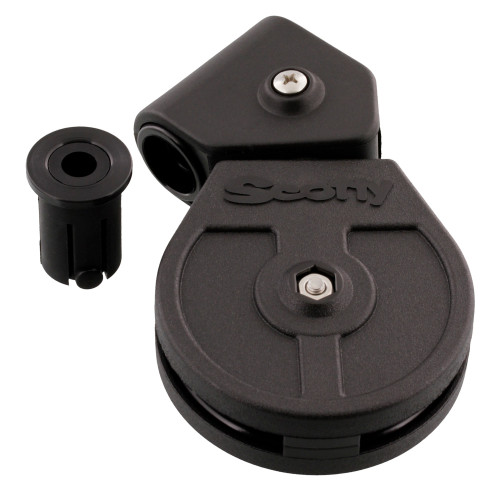
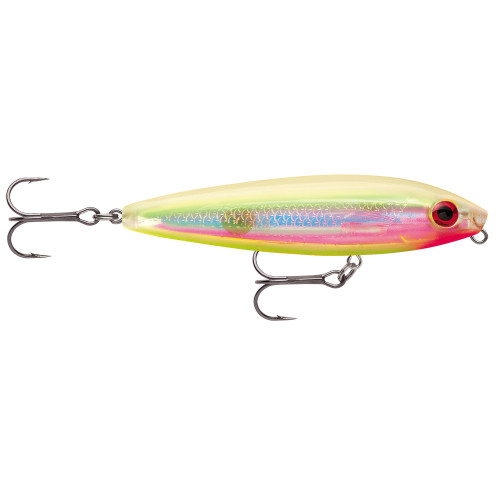
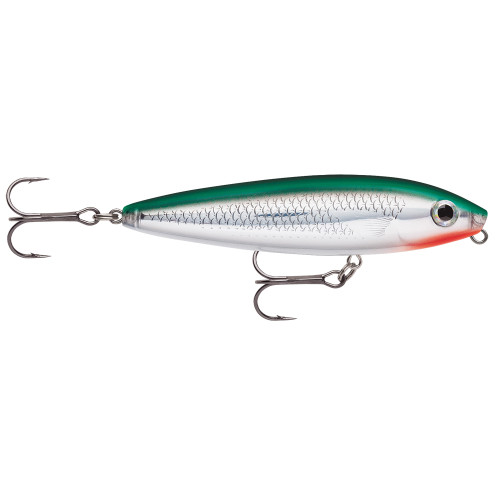
The marine fishing industry consolidates around manufacturers with decades of saltwater engineering experience. TACO Marine has set the standard for outriggers, rod holders, and deck hardware since 1974, with proprietary mounting systems and corrosion-resistant polymers that outlast generic alternatives by years. Rapala dominates tackle and lure selection with over 113 products in our inventory, offering everything from classic balsa crankbaits to modern soft plastics engineered for specific species and water conditions. Brands like Scotty, Lee's Tackle, and Tigress round out the professional-grade equipment selection with specialized products—downriggers, electric outrigger systems, and center-rigger poles—that commercial captains depend on for daily operation.
Frequently Asked Questions
What stainless steel grade do I need for saltwater fishing equipment?
Use 316 stainless steel for any component exposed to saltwater—this includes rod holders, cleats, hinges, and fasteners. The molybdenum content in 316 alloy provides superior corrosion resistance compared to 304 stainless, which will develop surface rust and pitting within months in marine environments. For critical structural components like outrigger mounts and backing plates, specify 316L for added corrosion protection through reduced carbon content. Underwater hardware and components in constant submersion should be 316L or consider upgrading to specialty alloys like Nitronic 50 for extreme durability. Always use anti-seize compound on threaded fasteners to prevent galling during future disassembly.
How do I size outriggers for my boat length and fishing style?
Match pole length to approximately 60-75% of your boat length for proper balance and spread geometry. A 30-foot boat typically runs 18 to 22-foot poles to achieve a 30 to 36-foot bait spread, which positions lines outside prop wash and allows coverage of multiple depth zones. Trolling speed affects sizing—slower speeds for sailfish need longer poles for wider spreads, while high-speed wahoo trolling works with shorter poles and tighter patterns. Pole material matters for deflection—aluminum poles flex more under load, so size up one length category if choosing aluminum over carbon fiber. Mount height determines working angle; higher hardtop mounts allow shorter poles to achieve the same spread as longer poles on gunwale mounts.
Can I mount rod holders directly to fiberglass without backing plates?
Never mount rod holders to fiberglass without proper backing plates—the localized stress from a fighting fish will crack gelcoat and delaminate the layup. Use marine-grade aluminum or G10 fiberglass backing plates at least 1/4-inch thick, with surface area distributing the load across 16 to 25 square inches depending on holder size and expected fish loads. Through-bolt with 1/4-inch or 5/16-inch stainless fasteners, using 3M 5200 or similar marine adhesive sealant to bed both the holder flange and backing plate. For gunwale mounts on cored fiberglass, dig out the core material in the bolt hole area and fill with epoxy to prevent water intrusion and core rot. Aluminum hulls require backing plates to prevent dimpling and stress cracks in the sheet metal.
What's the difference between fixed and telescoping outrigger poles?
Fixed-length poles offer maximum strength and reliability with no moving parts to fail, but require higher clearance for bridge passage and dedicated storage when poles are removed. Telescoping poles collapse to 40-60% of deployed length, solving storage and clearance issues, but add mechanical complexity through locking collars or internal cables that require maintenance and eventual replacement. The telescoping joints create slight flex points that reduce overall rigidity compared to fixed poles of equal diameter and material. For boats kept on lifts with height restrictions or trailered frequently, telescoping poles provide practical advantages worth the trade-off. Fixed poles make sense for serious offshore boats with tower storage and minimal bridge navigation.
How often should I rinse fishing equipment with freshwater?
Rinse all deck hardware, rod holders, and storage systems with freshwater after every saltwater outing—salt crystals continue corroding metal and degrading seals even when dry. Pay special attention to moving parts like outrigger pulleys, release clips, and drawer slides where salt accumulation causes binding and accelerated wear. Monthly deep cleaning should include disassembling rod holders to flush drain tubes, removing and lubricating hinge pins, and inspecting fasteners for crevice corrosion. Apply marine-grade corrosion inhibitor like Boeshield T-9 or CRC Heavy Duty Corrosion Inhibitor to metal surfaces after drying. Electronics mounts and fishfinder brackets need particular attention—rinse connector areas without direct high-pressure spray that could force water past seals. Annual maintenance should include removing all mounted hardware to inspect and reseal mounting holes with fresh sealant.
Need help selecting the right hunting and fishing equipment for your vessel? Contact our technical support team for a free system review — we'll help you spec the right components for your boat's requirements.