
-
On Sale!
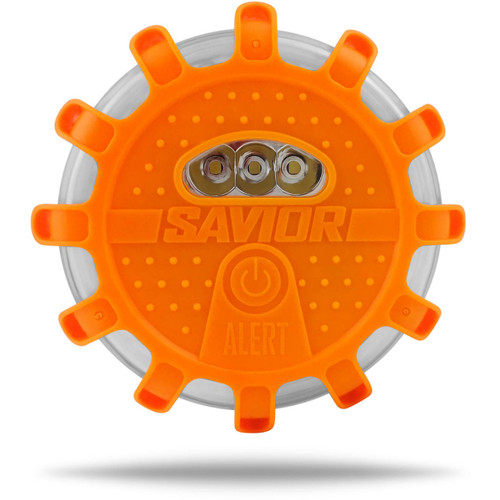
Emergency Led Light (3/Pk)
$31.99 -
On Sale!

Black Sting Ray Classic Jr.
$54.99 -
On Sale!
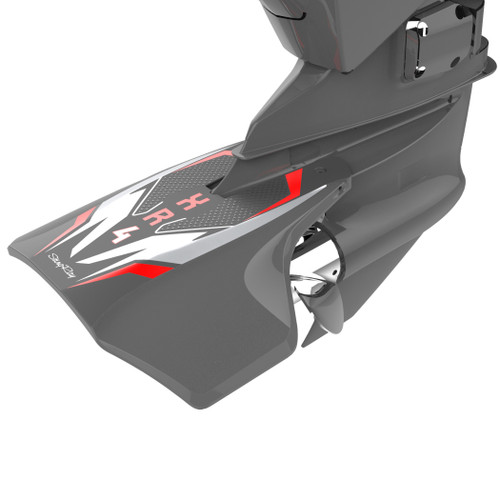
Stingray Xr4 Sr Hydrofoil
$159.99 -
On Sale!
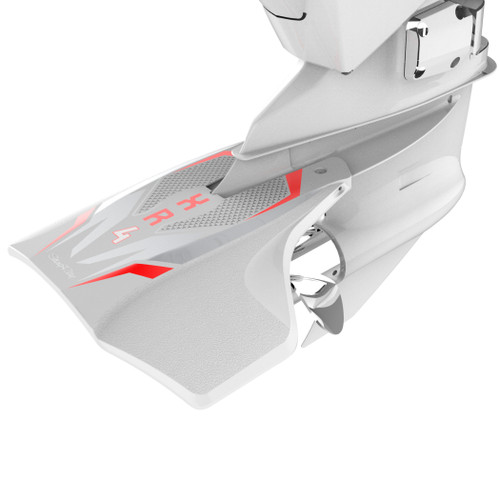
Stingray Xr4 Sr Hydrofoil
$159.99
Safety
Marine safety equipment encompasses all USCG-required and recommended gear designed to protect crew, prevent emergencies, and ensure regulatory compliance during vessel operation. Boat Supply Store stocks 336 safety products ranging from basic personal flotation devices to advanced electronic monitoring systems, with prices spanning $15.99 to $1839.99 to meet requirements for vessels from 16-foot runabouts to offshore sportfishers.
Choosing the Right Safety Equipment for Your Vessel
The most common mistake boaters make is treating safety gear as a checkbox exercise rather than a vessel-specific system. A Type II foam PFD sufficient for calm inland operation becomes dangerously inadequate for offshore passage work, just as a recreational flare kit falls short of commercial inspection standards. Worse, expired certification dates, corroded mounting hardware, and improperly sized equipment create false confidence that evaporates during actual emergencies when you discover your extinguisher discharge time is half what's needed or your distress signals can't be seen beyond 500 yards in moderate seas.
Key Specifications to Evaluate
Personal flotation device selection starts with USCG Type classification and buoyancy rating measured in pounds of flotation force. Type I offshore jackets provide 22+ pounds of buoyancy and are designed to turn unconscious wearers face-up in rough water. Type II near-shore vests offer 15.5 pounds and work for calmer conditions but may not rotate unconscious wearers reliably. Type III flotation aids provide 15.5 pounds but require the wearer to position themselves face-up. Type IV throwable devices and Type V special-use PFDs round out the categories, each with specific approval limitations printed on the label. Inflation mechanisms in inflatable PFDs—manual pull, automatic water-activated, or hydrostatic—determine deployment reliability, with hydrostatic triggers offering the best balance of automatic activation and resistance to false deployment from spray or rain.
Fire suppression systems require matching the extinguisher agent type and capacity to your vessel's fire risks and compartment volumes. Class B:C marine extinguishers use dry chemical agents rated by numerical capacity—a 5-B:C unit contains enough agent to handle 5 square feet of flaming liquid, while 10-B:C and 20-B:C units scale proportionally. Engine compartments need suppression systems sized to the enclosed volume with discharge nozzles positioned above ignition sources and proper ventilation shutdown mechanisms. Fixed automatic systems use heat-activated discharge heads calibrated to compartment temperature rise rates, with agent capacity calculated at 0.2 pounds per cubic foot for dry chemical or specific ratios for FM-200 and other clean agents.
Visual distress signals must meet both daytime and nighttime USCG requirements for vessels operating beyond inland waters. Pyrotechnic flares carry expiration dates exactly 42 months from manufacture—not purchase—and lose reliability as propellant and illuminant compounds degrade. Aerial flares need minimum 10,000 candlepower output and 6-second burn time at 500+ feet altitude. Handheld flares require 15,000 candlepower for 1 minute burn time. Electric distress lights approved as day/night substitutes must flash SOS pattern at 60 flashes per minute and remain visible for 10 nautical miles. Combination kits typically include three day signals and three night signals to meet the USCG minimum, though prudent offshore operators carry double that quantity.
Sound signaling devices require sufficient decibel output for your vessel length category. Boats under 39.4 feet need sound devices audible for 0.5 nautical miles, typically 110 decibels at 1 meter distance. Vessels 39.4 to 65.6 feet require 1 nautical mile audibility at 120 decibels. Air horns using compressed gas canisters deliver consistent output but have limited duration—typically 60 one-second blasts per 8-ounce canister. Electric horns draw 3-8 amps and require proper electrical system integration with corrosion-resistant mounting and waterproof connections. Whistles serve as backup sound devices and must produce 100+ decibels to be effective, with pealess designs avoiding the freeze-up and blockage issues of ball-type whistles in marine environments.
USCG Minimum Safety Equipment Requirements by Vessel Length
| Vessel Length | PFDs Required | Fire Extinguishers | Visual Distress Signals | Sound Devices |
|---|---|---|---|---|
| Under 16 ft | Type I, II, III, or V for each person | 1 B-I (if closed compartments) | Night signals only (inland); Day/night (coastal) | Whistle or horn |
| 16 ft to under 26 ft | Type I, II, III, or V for each person + 1 Type IV throwable | 1 B-I minimum; 2 B-I if no fixed system | Day and night signals (3 each minimum) | Horn audible 0.5 nm |
| 26 ft to under 40 ft | Type I, II, III, or V for each person + 1 Type IV throwable | 2 B-I or 1 B-II; 3 B-I if no fixed system | Day and night signals (3 each minimum) | Horn audible 0.5 nm |
| 40 ft to 65 ft | Type I, II, III, or V for each person + 1 Type IV throwable | 3 B-I or 1 B-II + 1 B-I | Day and night signals (3 each minimum) | Horn and bell audible 1 nm |
Price Guide: What to Expect at Each Budget Level
Budget tier: $15.99–$100 — Basic USCG-approved Type II and Type III foam PFDs, 5-B:C portable fire extinguishers with plastic valve assemblies, pyrotechnic flare 3-packs meeting minimum requirements, compressed gas air horns, and entry-level throwable cushions. This tier covers legal minimums for recreational vessels under 26 feet operating in protected waters, though build quality shows in thinner foam densities, basic nylon shells without reinforcement, and shorter service life before replacement. Suitable for seasonal boaters who trailer their vessels and store equipment in controlled environments between uses.
Mid-range tier: $100–$500 — Type I offshore PFDs with SOLAS-grade retroreflective tape, inflatable PFDs with hydrostatic triggers and harness integration points, 10-B:C and 20-B:C extinguishers with metal valve assemblies and pressure gauges, combination flare kits with both aerial and handheld signals, electric horns with stainless mounting hardware, and throwable life rings with grab lines. This range provides the durability and performance most coastal cruisers need, with UV-resistant fabrics, corrosion-proof hardware, and multi-season reliability. Materials upgrade to closed-cell foam that retains buoyancy after compression, reinforced stitching at stress points, and proper drainage to prevent water retention and mildew.
Premium tier: $500–$1839.99 — Automatic inflatable PFDs with integral harnesses and 35+ pounds buoyancy, commercial-grade fixed fire suppression systems with automatic discharge and engine shutdown integration, LED electronic flares with 10+ year service life, integrated safety monitoring systems like the CoastKey Premium Plus Quad Mercury Engine Keyless Ignition w/Keyless Stop/Start, Remote Stop/Start, Ecos Rem Trim/Tilt, and professional-specification life rafts with SOLAS certification. Premium equipment delivers the redundancy and advanced features offshore passages demand—multiple inflation chambers, buddy lines, strobe lights integrated into PFDs, extinguishing systems with remote manual activation, and electronic safety systems that integrate with vessel navigation platforms for comprehensive monitoring.
How the Top Safety Products Compare
| Feature | CoastKey Premium Plus Quad Engine System |
|---|---|
| Primary Function | Keyless ignition with remote safety shutdown |
| Engine Compatibility | Quad Mercury outboards with integrated trim/tilt control |
| Safety Integration | Remote emergency stop capability from anywhere on vessel |
| Installation Requirement | Professional electrical integration with existing engine systems |
| Backup Capability | Multiple authentication methods prevent lockout scenarios |
Our Top Picks for Safety Equipment
These products represent proven solutions across the range of vessel types and operating environments our technical team sees most frequently.
CoastKey Premium Plus Quad Mercury Engine Keyless Ignition w/Keyless Stop/Start, Remote Stop/Start, Ecos Rem Trim/Tilt
CoastKey | $1839.99
Advanced safety control system enabling remote engine shutdown from any position aboard during emergency situations where reaching the helm becomes impossible.
- Integrates engine kill capability with wireless fobs, preventing common scenarios where crew separation from helm during man-overboard or medical emergencies leaves engines running uncontrolled
Trusted Safety Brands We Carry
Mustang Survival dominates our safety inventory with 116 products averaging $222.79 because their inflatable PFD technology sets the commercial and military standard—their hydrostatic inflation systems achieve 99.7% reliability in independent testing while their HIT auto-activation mechanisms avoid the false deployment problems that plague cheaper automatic inflatables in spray-intensive conditions. Their fabric lamination process bonds outer shells to bladders without stitching through gas-retention layers, eliminating the slow-leak failures common in budget inflatables. We stock these brands specifically because they publish actual test data rather than just certification minimums, they maintain parts availability for service and repack procedures beyond the typical 3-year replacement cycle, and their warranty support includes water-failure coverage that budget brands exclude.
Frequently Asked Questions
What's the actual service life of a marine fire extinguisher before it needs replacement versus just recharge?
Disposable marine extinguishers with plastic valve assemblies should be replaced every 12 years regardless of pressure gauge reading, as the dry chemical agent cakes over time and the discharge valve seals degrade from humidity exposure even in unused units. Rechargeable extinguishers with metal valve bodies and proper annual maintenance can last 20+ years, but the pressure vessel itself requires hydrostatic testing every 12 years per NFPA 10 standards—a test that costs $30-50 and often exceeds the replacement price of smaller units. Check the manufacture date stamped on the extinguisher body, not the inspection tag date, and confirm the pressure gauge needle remains in the green zone. If the gauge shows pressure loss or the unit fails the inversion test—flip it upside down and shake to confirm you hear powder moving freely—replacement is mandatory regardless of age, as caked agent won't discharge properly through the siphon tube.
How do I determine if my vessel requires Type I offshore life jackets versus Type III flotation aids?
USCG regulations specify PFD performance type by your operating area, not vessel size—if you venture beyond protected inland waters into coastal zones where assistance arrival exceeds 30 minutes or sea conditions include 3+ foot waves, Type I jackets become the practical minimum despite Type III technically meeting legal requirements. Type I jackets provide 22+ pounds of buoyancy positioned to rotate unconscious wearers face-up within 5 seconds in most conditions, critical when crew go overboard unwitnessed or at night. Type III aids require the wearer to actively maintain face-up position and fail completely with unconscious victims. Check your insurance policy's navigation limits—many offshore coverage clauses require Type I PFDs beyond 20 miles from shore regardless of USCG minimums. For vessels making passages longer than 6 hours or operating in water below 60 degrees where hypothermia accelerates incapacitation, Type I specification isn't just prudent but essential for realistic crew recovery.
Can I substitute LED electronic flares for pyrotechnic signals to avoid the 42-month replacement cycle?
USCG approval 160.072 allows electric distress lights to substitute for both day and night pyrotechnic requirements, but only if the device meets specific performance standards: SOS flash pattern at exactly 60 flashes per minute, 10 nautical mile visibility, 360-degree horizontal pattern, 6+ hour battery runtime, and waterproof to 10 feet for 30 minutes. Not all LED "flares" sold for marine use meet this certification—verify the approval number printed on the device itself before relying on it for compliance. The advantage beyond avoiding expiration dates is deployment safety in enclosed spaces where pyrotechnic smoke and flame create secondary hazards, plus you can test electronic signals without consuming the device. The disadvantage is battery maintenance—most use CR123 lithium cells requiring replacement every 3-5 years even if unused, and cold temperatures below 20 degrees reduce runtime by 50% or more. Many experienced offshore operators carry both: electronic for immediate deployment and reusable testing, plus pyrotechnic backup for redundancy if electronic units fail or battery depletion occurs during extended emergency situations.
What's the proper inspection schedule for inflatable PFDs and when do inflation cartridges need replacement?
Inflatable PFD maintenance requires visual inspection before each use and thorough annual service documented in the owner's manual. Pre-use inspection includes checking the inflation status indicator window—green means ready, red requires service—and confirming the oral inflation tube cap seals properly without cracks in the rubber. Annual service means removing the inflator, unscrewing the CO2 cartridge and checking for corrosion on threads and puncture pin, inspecting the bladder for leaks by inflating orally and letting it sit 12 hours for pressure loss, and examining all buckles and fabric for UV damage or abrasion. Replace the CO2 cartridge immediately after any inflation event or if you see any green corrosion on the threads—even pinhole leaks render cartridges useless. Replace bobbin automatic activation elements every 2 years regardless of appearance, as the water-soluble material degrading from humidity exposure even inside sealed housings. Hydrostatic mechanisms have 5-year replacement intervals but require inspection after any submersion. The bladder itself needs replacement every 10 years as the urethane coating loses gas retention properties from flexing and UV exposure, even with perfect storage. Budget $80-120 annually for proper inflatable PFD maintenance including cartridge, bobbin, and service kit replacement.
Do I need different safety equipment for saltwater versus freshwater operation beyond corrosion considerations?
Saltwater operation demands materials specifications rather than different equipment categories, though some devices require capacity upgrades due to operating environment factors. All metal components—extinguisher valve assemblies, horn mounting brackets, PFD D-rings and buckles—must use 316 stainless steel rather than 304 grade or zinc-plated hardware that fails within one season of salt exposure. Electronic devices including LED distress lights and emergency monitoring systems need conformal coating on circuit boards rated IPX7 minimum, as saltwater intrusion causes tracking failures that freshwater environments don't accelerate as rapidly. The practical difference appears in signaling equipment—offshore saltwater operation often occurs beyond VHF radio range of shore stations, making satellite emergency beacons essential where freshwater operation rarely exceeds line-of-sight communication range. Sound signaling also scales differently: flat freshwater allows 0.5 nautical mile horn audibility to meet regulatory intent, but 3-foot saltwater chop requires 120+ decibel output to achieve the same effective range. Finally, cold saltwater below 55 degrees demands PFD integrated hypothermia protection—insulated designs or quick-don immersion suits—that warm freshwater operation doesn't require, as survival time drops from 6 hours to under 2 hours at equivalent temperatures due to salt water's higher thermal conductivity.
Need help selecting the right safety equipment for your vessel? Contact our technical support team for a free system review — we'll help you spec the right components for your boat's requirements.