
-
On Sale!

-
On Sale!
-
On Sale!
-
On Sale!

-
On Sale!

-
On Sale!

-
On Sale!
-
On Sale!
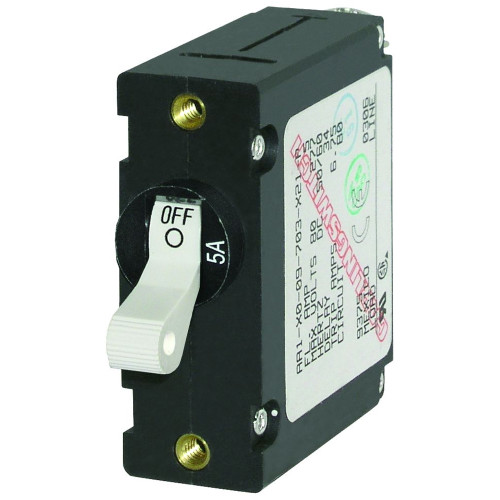
Blue Sea Systems
Blue Sea 7202 AC/DC Single Pole Magnetic World Circuit Breaker - 5AMP
$34.99$32.99 -
On Sale!
-
On Sale!
-
On Sale!

-
On Sale!
Blue Sea Systems
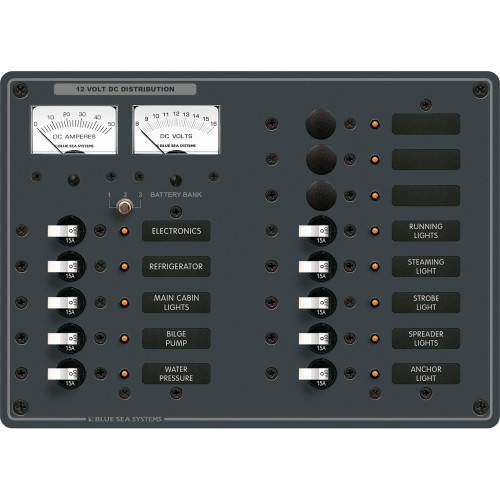
Blue Sea 8068 DC 13 Position Toggle Branch Circuit Breaker Panel - White Switches
$951.99$605.99 -
On Sale!
-
On Sale!

-
On Sale!

-
On Sale!

-
On Sale!

-
On Sale!

-
On Sale!
-
On Sale!

Electrical
=```json
{
"page_title": "Marine Electrical Systems & Components | Boat Supply Store",
"meta_description": "Marine electrical systems include power distribution, battery management, alternators, and wiring. Boat Supply Store carries 3,543 products from $2.99–$3,654.99.",
"meta_keywords": "marine electrical systems, boat wiring, marine alternators, battery switches, circuit breakers, marine electrical panels, ABYC electrical standards, boat power distribution, marine battery chargers, electrical components",
"description": "
Marine electrical systems encompass all power generation, distribution, and protection components designed to operate reliably in the harsh marine environment where moisture, vibration, and corrosion are constant threats. Boat Supply Store stocks 3,543 electrical products ranging from basic connectors to complete charging systems, with specialized marine-grade components built to ABYC standards that prevent the electrical failures responsible for most onboard emergencies.
Choosing the Right Electrical for Your Vessel
The majority of boat fires and dead-battery situations trace back to undersized wiring, improper circuit protection, or automotive-grade components that corrode within a single season. A 12-volt system drawing 30 amps through 20 feet of incorrectly sized wire can lose over 10% of its voltage to resistance, starving your electronics while generating enough heat to melt insulation. Marine electrical systems require voltage-drop calculations, proper overcurrent protection at every branch, and tinned copper conductors with heat-shrink connections—not the crimp connectors and speaker wire that work fine in a car but fail catastrophically when exposed to bilge water.
Key Specifications to Evaluate
Wire gauge selection depends on total circuit length and amperage, not just the load rating printed on your device. ABYC Standard E-11 mandates that voltage drop not exceed 3% on critical circuits like navigation instruments and 10% on non-critical loads. A 15-amp bilge pump circuit running 25 feet from the panel requires 12 AWG wire, while the same pump 10 feet away can use 14 AWG—the distance matters more than the pump's draw because resistance increases with length.
Circuit protection must be sized to the wire, not the load. If your wire can safely carry 20 amps based on length and ambient temperature, the breaker or fuse must trip before that wire reaches its current capacity. Panel-mount breakers offer easier reset access than blade fuses, but thermal breakers can nuisance-trip in hot engine rooms where ambient temperatures exceed 120°F. Battery switches need to be rated for continuous duty at your maximum charging current—a 250-amp alternator requires a 250-amp-rated switch, even though your house loads rarely exceed 40 amps.
Alternators and battery chargers must match your battery chemistry and capacity. Flooded lead-acid batteries tolerate bulk charging at 25% of their amp-hour rating, while AGM batteries accept higher charge rates but require precise voltage regulation to avoid thermal runaway. A 400-amp-hour house bank needs at least a 100-amp alternator or 40-amp shore charger to reach full charge in reasonable time. Multi-stage charging profiles with bulk, absorption, and float phases extend battery life by preventing chronic undercharging that sulfates plates and overcharging that boils off electrolyte.
Corrosion resistance separates marine components from automotive parts. Tinned copper wire resists the galvanic corrosion that turns untinned copper green and brittle. Ignition-protected devices carry a UL 1500 rating certifying they won't spark in the presence of gasoline fumes—a critical requirement in engine compartments. Terminal blocks and panel components should be at least tin-plated brass; stainless steel fasteners prevent the rust that turns a simple breaker replacement into a panel rebuild. Heat-shrink connectors with adhesive linings seal out moisture far better than crimp terminals, which wick salt water through stranded wire like a candle wick.
ABYC Wire Sizing Chart: 12V Systems at 3% Voltage Drop
| Circuit Amps | 10 ft Total Length | 15 ft Total Length | 20 ft Total Length | 25 ft Total Length |
|---|---|---|---|---|
| 5A | 18 AWG | 16 AWG | 14 AWG | 14 AWG |
| 10A | 14 AWG | 14 AWG | 12 AWG | 12 AWG |
| 15A | 14 AWG | 12 AWG | 12 AWG | 10 AWG |
| 20A | 12 AWG | 12 AWG | 10 AWG | 10 AWG |
| 25A | 12 AWG | 10 AWG | 10 AWG | 8 AWG |
| 30A | 10 AWG | 10 AWG | 8 AWG | 8 AWG |
| 40A | 10 AWG | 8 AWG | 8 AWG | 6 AWG |
| 50A | 8 AWG | 8 AWG | 6 AWG | 6 AWG |
Price Guide: What to Expect at Each Budget Level
Budget tier: $2.99–$100 — Terminal connectors, heat shrink, crimp tools, basic blade fuses, wire by the foot, battery terminal clamps, 12V accessory outlets, and simple toggle switches. This tier covers consumables and basic replacement parts for routine maintenance. Expect unbranded or economy marine-grade components suitable for light-duty applications and trailer boats that stay on freshwater.
Mid-range tier: $100–$400 — Panel-mount circuit breakers, battery switches, small battery chargers, voltage meters, battery monitors, wire management systems, and distribution panels. Most cruising sailboats and weekender powerboats build their systems from this tier, where you get proven Blue Sea Systems components with proper marine ratings and manufacturer support. The sweet spot for reliability without paying for features you won't use.
Premium tier: $400–$3,654.99 — High-output alternators, multi-bank chargers, sophisticated battery monitors with shunt-based measurements, complete distribution panels, inverters, charge controllers, and voltage regulators for complex house power systems. Long-range cruisers and sportfish boats with multiple battery banks, high-draw electronics, and redundant charging sources need this tier. The Balmar Alternator 97XD Series 190A, 24V, K6 Pulley at $2,561.99 represents professional-grade charging for commercial vessels and expedition yachts where electrical failure isn't an option.
How the Top Electrical Compare
| Feature | Balmar 97XD Alternator |
|---|---|
| Output Current | 190A |
| System Voltage | 24V |
| Pulley Type | K6 Serpentine |
| Ideal Application | Commercial vessels, large house banks, 24V systems |
| Multi-Stage Regulation | Compatible with external regulators |
Our Top Picks for Electrical
These products represent the proven solutions marine electricians install when system reliability matters more than initial cost.
Balmar Alternator 97XD Series 190A, 24V, K6 Pulley
Balmar | $2561.99
This high-output 24-volt alternator delivers 190 amps of continuous charging current for large house banks on commercial vessels and expedition yachts.
- Dual internal fans and oversized heat sinks maintain full output even at low engine RPM without thermal derating that cripples lesser alternators
Trusted Electrical Brands We Carry
Blue Sea Systems dominates our electrical inventory with 780 products averaging $104.80 because their circuit protection, distribution panels, and battery management components set the ABYC compliance standard that survives Coast Guard inspections. Balmar builds the alternators and voltage regulators that offshore cruisers depend on for reliable high-output charging in demanding conditions where automotive-style alternators overheat and fail. Marinco and Ancor provide the connectors, terminals, and marine-grade wire that professional installers use when the work needs to pass survey. These brands publish actual specifications, offer technical support, and warranty their products for marine use—not the vague "water-resistant" claims that collapse the first time salt spray reaches the terminals.
Frequently Asked Questions
What wire gauge do I need for a 30-amp circuit on a 12V system?
Wire gauge depends on total circuit length, not just amperage. For a 30-amp load with 15 feet of total wire length (7.5 feet each way), you need 10 AWG tinned copper wire to stay within ABYC's 3% voltage drop limit. At 25 feet total length, the same 30-amp circuit requires 8 AWG wire because resistance increases with distance. Measure from the power source to the load and double it to account for the return path. Undersized wire causes voltage drop that starves your equipment and generates heat that melts insulation, while oversized wire adds cost and takes up conduit space without benefit.
Can I use automotive electrical parts on my boat?
Automotive parts fail rapidly in marine environments because they lack corrosion protection and proper ignition protection. Untinned copper wire corrodes green within months when exposed to salt air, crimp terminals wick moisture that creates voltage drop, and automotive circuit breakers can spark in the presence of gasoline fumes. Marine-grade components use tinned copper conductors, heat-shrink adhesive-lined connectors, and carry UL 1500 ignition protection ratings required in engine compartments. The price difference between a $3 automotive toggle switch and an $8 marine switch becomes irrelevant the first time you're troubleshooting a dead circuit caused by corroded terminals.
How do I size an alternator for my battery bank?
Your alternator should deliver at least 25% of your total house bank capacity in amp-hours for flooded lead-acid batteries, and can safely charge AGM batteries at 30-40% of capacity. A 400-amp-hour house bank needs a minimum 100-amp alternator to reach full charge during a day's motoring. Undersized alternators run at full output constantly, which shortens their service life, while keeping batteries in a chronic state of undercharge that sulfates the plates. Factor in your DC loads while charging—if you're drawing 40 amps for refrigeration and instruments, a 100-amp alternator only delivers 60 amps to the batteries. Multiple battery banks require either a high-output alternator with proper splitting or dedicated alternators for each bank.
What's the difference between a circuit breaker and a fuse?
Circuit breakers offer convenient reset without replacement parts, while fuses provide faster response to overcurrent conditions and can't accidentally be reset after repeated trips indicate a real problem. Thermal breakers can nuisance-trip in hot engine rooms where ambient temperatures exceed 100°F, making them poor choices for bilge pump circuits where you need absolute reliability. Fuses sized at 50% of wire capacity provide the fastest protection against shorts but require carrying spares and accessing fuse panels. Many professional installations use circuit breakers for convenience loads like cabin lights and fuses for critical circuits like bilge pumps and navigation equipment, combining the benefits of both protection methods.
Do I need a battery switch, and which type?
Every vessel needs a battery switch to isolate batteries for service, prevent parasitic drain during storage, and provide emergency parallel capability when one bank is depleted. Rotary selector switches work for single-engine boats with one starting and one house bank, allowing you to select Battery 1, Battery 2, Both, or Off. Dual-circuit switches with Add/Parallel Capability (Blue Sea ML-ACR style) suit larger vessels with multiple battery banks and charging sources, automatically combining banks during charging while isolating them during discharge. The switch must be rated for your alternator's maximum output—a 130-amp alternator requires a continuous-duty 300-amp switch because alternator current can briefly spike to 200% of rated output during field excitation.
Need help selecting the right Electrical for your vessel? Contact our technical support team for a free system review — we'll help you spec the right components for your boat's requirements.
" } ```