

Description
Garmin MSC 10 Marine Compass | Boat Supply Store
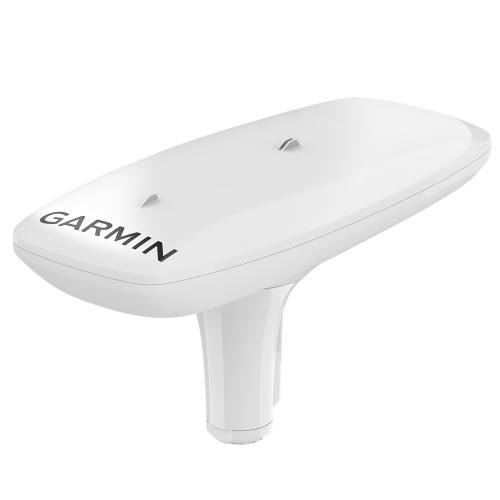
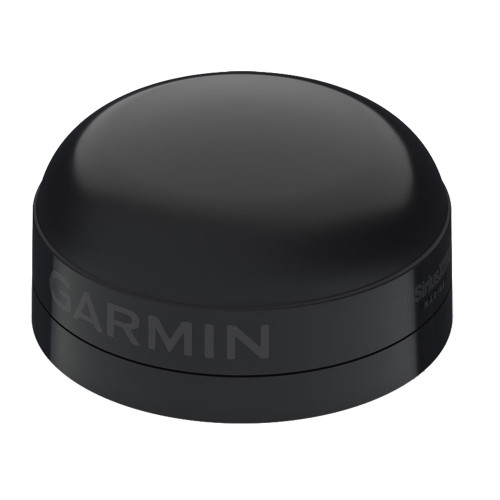
Ensure precise navigation even in adverse maritime conditions with the Garmin MSC 10 Marine Satellite Compass. This advanced heading sensor employs multi-band GNSS (L1/L5 GPS, Galileo, GLONASS, BeiDou) to deliver heading accuracy within 2 degrees, independent of magnetic interference. Its integrated AHRS provides critical heave, pitch, and roll data at a 10 Hz update rate, crucial for advanced autopilot integration on larger recreational vessels or commercial craft operating offshore.
Key Features
- Superior Heading Accuracy within 2 degrees, immune to magnetic interference.
- Comprehensive Motion Data provides heave, pitch, and roll information, vital for stabilization.
- Multi-Band GNSS & Multi-Constellation ensures precise positioning and reliable heading.
- Primary Sensor Capability for autopilots and other onboard navigation systems.
- Integrated AHRS delivers accurate heading at all vessel speeds, including stationary.
- 10 Hz Position Update Rate for fluid and responsive tracking on chartplotters.
- NMEA 2000® Compatibility for seamless data integration with Garmin and other compatible systems.
- Robust Backup Heading via magnetometer when satellite signal is temporarily lost.
Specifications
| Product Specifications | |
|---|---|
| Heading Accuracy | Within 2 degrees |
| GNSS Receiver | Multi-band GNSS (L1/L5 GPS, Galileo, GLONASS, BeiDou) |
| AHRS | Integrated (provides heave, pitch, roll) |
| Update Rate | 10 Hz |
| Connectivity | NMEA 2000® |
| Backup Heading | Magnetometer |
| Power Consumption | Not Specified |
Who This Is For
Boaters demanding exceptionally accurate and reliable heading, pitch, roll, and heave data for advanced navigation and autopilot integration, particularly those operating in challenging offshore environments. This device is engineered for owners of mid-size to large recreational vessels and commercial operators requiring precise situational awareness.
How It Compares
| Feature | Garmin MSC 10 Marine Compass | Competitor |
|---|---|---|
| Heading Accuracy | Within 2 degrees | 0.5 degrees, 2 degrees |
| Heave, Pitch, Roll Data | Yes | Yes, No |
| Primary Heading Source | Multi-band GNSS (GPS, Galileo, GLONASS, BeiDou) | Solid-state compass, Gyro, Accelerometer, Fluxgate compass, Gyro, Accelerometer |
| Magnetic Interference Immunity | High (uses satellite signals) | Moderate (relies on sensor fusion), Moderate |
| Update Rate | 10 Hz | Up to 10 Hz (typical), Up to 20 Hz |
Common Concerns Answered
Is the initial setup of the Garmin MSC 10 complicated?
While the device offers a compact and straightforward physical installation, proper setup and calibration of the NMEA 2000 network may require some technical familiarity with marine electronics. For those new to these systems, professional installation is advisable to ensure optimal performance.
Why is the Garmin MSC 10 more expensive than basic compasses?
The higher price reflects its advanced multi-band GNSS receiver, integrated AHRS for precise motion data (heave, pitch, roll), and superior heading accuracy of 2 degrees unaffected by magnetic interference. These capabilities are critical for modern autopilots and advanced navigation systems where accuracy is paramount.
Do I really need this advanced heading data if I don't use complex autopilot features?
Even without a complex autopilot, the precise heading and motion data from the MSC 10 significantly enhances situational awareness and can improve the accuracy of other integrated systems, such as radar overlay and electronic charting, particularly in dynamic sea states. This leads to more confident and informed decision-making on the water.
Frequently Asked Questions
What is the heading accuracy of the Garmin MSC 10?
The Garmin MSC 10 provides heading accuracy within 2 degrees, which is unaffected by magnetic interference due to its reliance on multi-band GNSS signals.
Does the Garmin MSC 10 provide pitch, roll, and heave data?
Yes, the integrated Attitude Heading Reference System (AHRS) in the MSC 10 provides reliable boat heave, pitch, and roll information, even in rough sea conditions.
How does the Garmin MSC 10 handle magnetic interference?
The MSC 10 is designed to be immune to magnetic interference as its primary heading source is derived from multi-band GNSS satellite signals. It does include a backup magnetometer that is susceptible to interference.
Can the Garmin MSC 10 be used as a primary sensor for other marine systems?
Yes, the MSC 10 can function as the primary heading sensor for compatible autopilots and other onboard marine electronic systems, providing highly accurate and reliable data.
What happens if the Garmin MSC 10 loses satellite signal?
In the event of a satellite signal loss, the Garmin MSC 10 seamlessly transitions to using its integrated magnetometer for heading data, ensuring continuous operation after a required calibration.