

Description
Tecnoseal X2 Zinc Shaft Anode 7/8" | Boat Supply Store
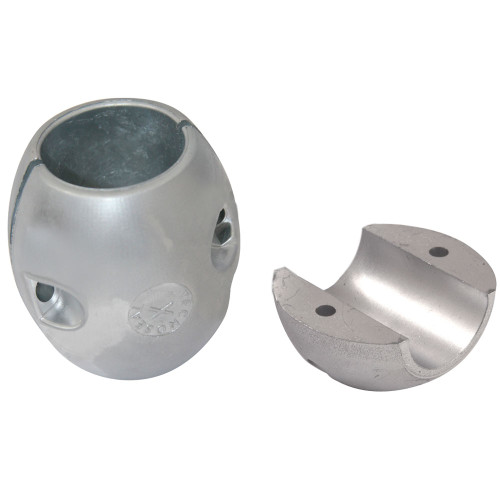
Prevent destructive galvanic corrosion on your propeller shaft with the Tecnoseal X2 Shaft Anode, specifically engineered for 7/8" diameter shafts. Fabricated from a high-purity zinc alloy, this anode is designed to preferentially corrode, thereby safeguarding your shaft and propeller from electrochemical degradation. Its robust construction includes dimensions of 2.14" outer diameter and 2.02" height, with 0.97lbs of protective mass, ensuring extended service life in harsh marine conditions, ideal for offshore fishing vessels operating in the Gulf of Mexico.
Key Features
- Sacrificial zinc anode for propeller shafts
- Protects shaft and propeller from galvanic corrosion
- Precisely designed for 7/8" shaft diameter
- Durable zinc construction for longevity
- Ensures optimal performance and ease of installation
- Mitigates costly repairs by preventing metal degradation
- Contributes to vessel longevity in saltwater environments
- Provides essential galvanic protection
Specifications
| Product Specifications | |
|---|---|
| Material | Zinc |
| Shaft Diameter | 7/8" |
| Outer Diameter | 2.14" |
| Inner Diameter | 0.87" |
| Height | 2.02" |
| Weight | 0.97lbs |
| Mounting Holes | 2 |
Who This Is For
Boat owners and marine mechanics requiring robust galvanic protection for propeller shafts in saltwater or brackish environments. This anode is essential for vessels susceptible to electrochemical corrosion and the associated degradation of critical metal components.
How It Compares
| Feature | Tecnoseal X2 Zinc Shaft Anode 7/8" | Competitor |
|---|---|---|
| Shaft Diameter | 7/8" | 7/8" |
| Material | Zinc | Zinc |
| Outer Diameter | 2.14" | 2.25" |
| Inner Diameter | 0.87" | 0.875" |
| Height | 2.02" | 2.0" |
| Weight | 0.97lbs | null |
Common Concerns Answered
My anode corroded faster than I expected. What could be the cause?
Accelerated anode consumption can result from improper installation, such as poor electrical contact with the shaft, or unusually aggressive electrochemical environments. Ensuring a clean shaft surface and a tight fit is critical for predictable performance.
It's hard to find the exact size anode for my shaft. How do I ensure a correct fit?
This Tecnoseal X2 anode is specifically manufactured for 7/8" shaft diameters, with an inner diameter of 0.87" to ensure a precise fit. Always measure your shaft diameter accurately before purchasing to guarantee optimal protection and ease of installation.
How long should this zinc anode last?
The lifespan of a zinc anode varies based on the salinity of the water, water temperature, and the electrical potential of other metals in contact with the shaft. Regular inspection and replacement are necessary to maintain effective corrosion protection.
Frequently Asked Questions
What is the purpose of a shaft anode?
A shaft anode, also known as a P-bracket anode or propeller shaft anode, is a sacrificial component designed to protect the propeller shaft and other metal components from galvanic corrosion. It corrodes preferentially, absorbing the electrochemical energy that would otherwise degrade the shaft and propeller.
How often should I replace my shaft anode?
Shaft anodes should be inspected at least annually and replaced when approximately 50% of their mass has been consumed or if significant pitting or cracking is observed. Environmental factors heavily influence replacement frequency.
What material is this shaft anode made of?
This Tecnoseal X2 Shaft Anode is constructed from a high-quality zinc alloy, which is ideal for use in saltwater and brackish water environments. Zinc provides excellent sacrificial protection against galvanic corrosion.
What shaft diameter is this anode designed for?
The Tecnoseal X2 Shaft Anode is specifically designed for a 7/8" diameter propeller shaft. Its inner diameter is precisely 0.87" to ensure a secure and effective fit.
How do I install a shaft anode?
Installation typically involves sliding the anode onto the propeller shaft and securing it with set screws or a locking mechanism provided with the anode. Ensure the shaft surface is clean and free of grease or paint for optimal electrical contact.