
Description
Ancor Tinned Battery Terminals | Boat Supply Store
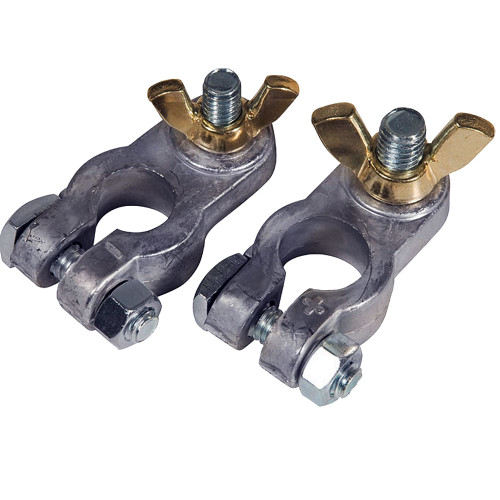
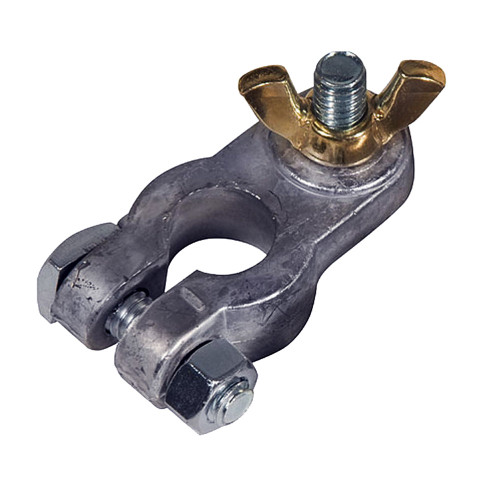
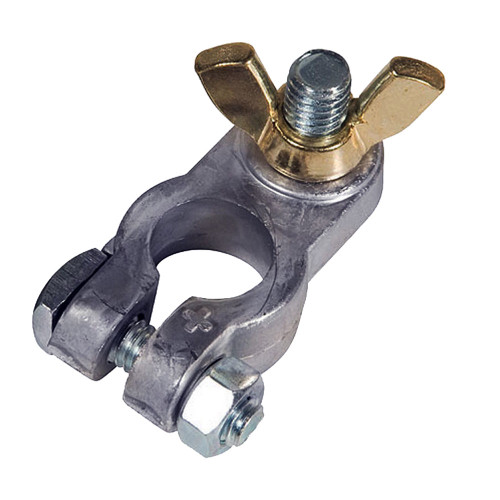
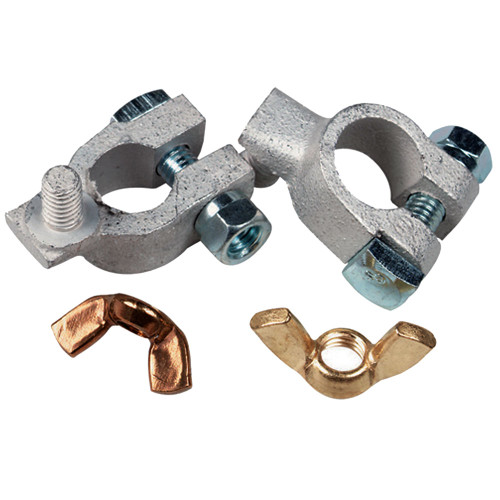
This Ancor battery terminal combo pack provides superior electrical integrity in corrosive marine environments, crucial for reliable power delivery to essential vessel systems. Engineered with heavy-duty annealed tinned brass and a seamless barrel design, it ensures maximum crimp strength and 100% tin plating to resist saltwater intrusion. The closed-end construction seals out moisture, maintaining optimal conductivity for both 5/16" and 3/8" stud sizes, ideal for maintaining trolling motor or navigation electronics power off the Texas coast.
Key Features
- Maximum current flow from heavy-duty annealed tinned brass construction
- Superior corrosion resistance with 100% tin plating against salt and moisture
- Maximum crimp strength guaranteed by the seamless barrel design
- Moisture ingress prevention via the sealed closed-end design
- Versatile fitment accommodating both 5/16" and 3/8" stud sizes
- Complete battery coverage for both positive and negative posts
- Optimized conductivity for critical marine electrical systems
- Durable construction engineered for harsh marine conditions
Specifications
| Product Specifications | |
|---|---|
| Material | Heavy duty annealed tinned brass |
| Plating | 100% tin plating |
| Barrel Design | Seamless |
| End Design | Closed end |
| Stud Sizes | 5/16" and 3/8" |
| Compatibility | Positive and negative battery posts |
Who This Is For
Marine enthusiasts, boat owners, and DIYers demanding robust and corrosion-resistant battery connections for optimal electrical performance in demanding marine environments. This product ensures longevity and reliability for critical vessel systems under harsh conditions.
How It Compares
| Feature | Ancor Tinned Battery Terminals | Competitor |
|---|---|---|
| Stud Size | 5/16" & 3/8" | 3/8" |
| Material | Tinned Brass | Tinned Copper |
| Barrel Design | Seamless | Seamless |
| End Design | Closed-end | Closed-end |
| Pack Type | Combo (Positive & Negative) | Individual |
Common Concerns Answered
Are these terminals more expensive than generic options?
While the initial investment for marine-grade terminals like these Ancor units may be higher than non-specialized alternatives, their superior durability and corrosion resistance in harsh marine environments offer significant long-term value and prevent costly failures.
What tools are needed for installation?
Optimal performance requires proper crimping tools specifically designed for electrical terminals. This ensures a secure, reliable connection that maximizes the benefits of the seamless barrel design and heavy-duty construction.
Why are these terminals favored over standard ones for boats?
The 100% tin plating on the tinned brass construction provides exceptional resistance to saltwater and moisture, preventing the degradation of electrical connections common with standard terminals in marine applications, thus ensuring consistent current flow.
Frequently Asked Questions
What stud sizes do these Ancor tinned battery terminals accommodate?
These Ancor tinned battery terminals are designed to accommodate both 5/16" and 3/8" stud sizes, offering versatility for various battery configurations.
Are these terminals suitable for both positive and negative battery posts?
Yes, this combo pack includes terminals specifically designed for suitability with both positive and negative battery posts on your vessel.
What material are these Ancor battery terminals made from?
These Ancor battery terminals are manufactured from heavy-duty annealed tinned brass, providing robust construction and excellent conductivity.
Why is tin plating important for marine battery terminals?
Tin plating is critical for marine battery terminals as it provides a superior barrier against corrosion caused by saltwater and high humidity, preventing oxidation and ensuring reliable electrical connections over time.
What does the closed-end design of these terminals prevent?
The closed-end design of these terminals effectively seals out moisture and contaminants from the wire connection point, preventing internal corrosion and maintaining optimal electrical performance in marine environments.