

Description
Blue Sea 1001 CableClam .63" Waterproof Coax Seal | Boat Supply Store
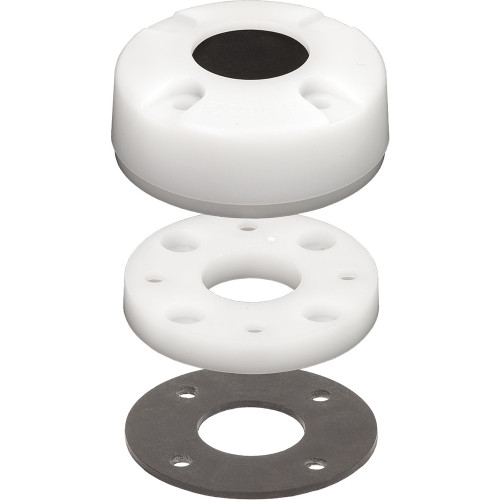
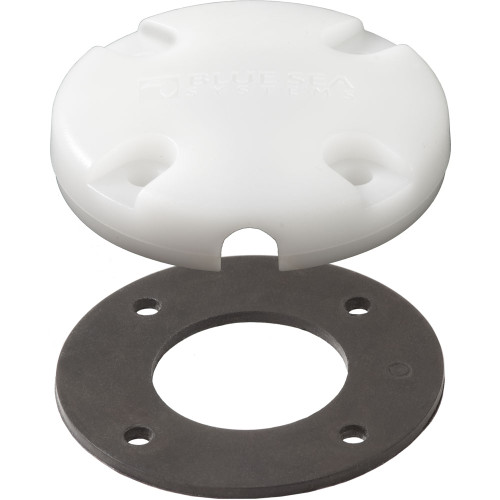
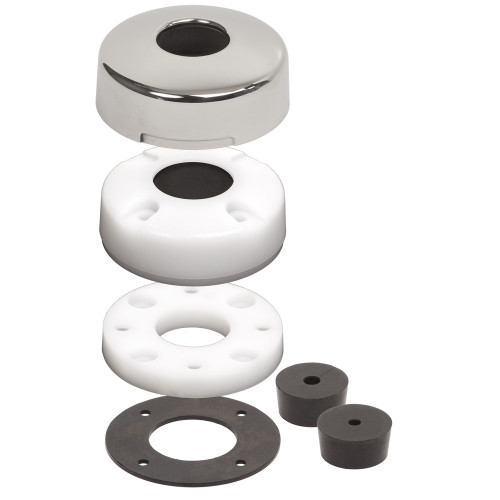
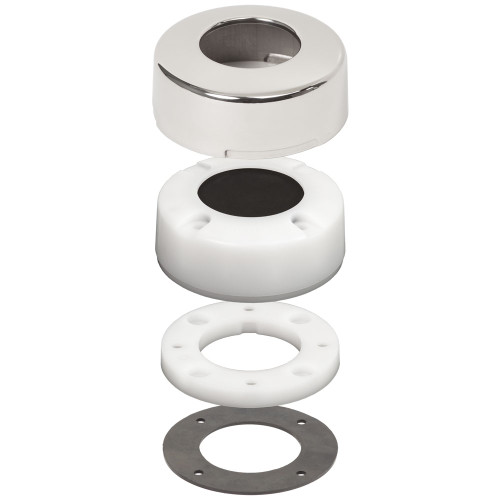
Seamlessly route coaxial cables through vessel bulkheads while preserving watertight integrity with the Blue Sea 1001 CableClam. This specialized fitting accepts cables up to 0.63 inches, allowing for installation without the need to detach and re-crimp connectors, a critical factor for maintaining signal quality and preventing moisture ingress in challenging marine environments like the Gulf Coast. Its design specifically addresses the need for robust, reliable pass-throughs for antenna cables, crucial for offshore communication and navigation systems.
Key Features
- Maintain waterproof coaxial cable pass-through without connector removal
- Prevents signal degradation from connector removal and re-installation
- Protects against moisture ingress, vital for offshore operations
- Simplifies antenna cable installations through bulkheads
- Ensures lasting integrity of coaxial connections
- Designed for professional marine installations
- Optimizes time and reduces potential installation errors
- Specifically engineered for 0.63-inch connector diameters
Specifications
| Product Specifications | |
|---|---|
| Connector Opening | 0.63 inches |
| Application | Waterproof coaxial cable installation |
| Installation Method | Allows installation without removing connectors |
Who This Is For
Marine electronics installers and boat owners undertaking DIY upgrades will find this ideal for cleanly and reliably passing coaxial antenna cables through the hull. It is specifically beneficial for those prioritizing a long-lasting, watertight seal without compromising the coaxial connector's integrity.
How It Compares
| Feature | Blue Sea 1001 CableClam .63" Waterproof Coax Seal | Competitor |
|---|---|---|
| Connector Opening Size | 0.63" | — |
| Primary Application | Waterproof coaxial cable pass-through without connector removal | General cable pass-through, multiple cable types, General cable pass-through, threaded panel mount |
| Waterproof Rating | Implied waterproof for coaxial connections | IP67, IP67 |
Common Concerns Answered
I have a coaxial cable that is slightly larger than 0.63 inches. Will this work?
The Blue Sea 1001 CableClam is specifically engineered for a 0.63-inch connector opening. For cables outside this precise dimension, alternative cable glands like the Scanstrut DS3-W may offer a broader diameter range, although they may not preserve the connector integrity in the same manner.
Is installation difficult or does it require special tools?
The installation difficulty is rated 2/5. It requires drilling a hole and careful alignment to ensure a watertight seal, but no specialized tools or connector crimping are necessary, making it manageable for many DIYers.
I'm concerned about the limited fitment. Are there more universal options?
While the Blue Sea 1001 CableClam excels in its specific application of passing coaxial cables without connector removal, competitors like the Scanstrut DS3-W offer a wider cable diameter range, potentially fitting more varied cable sizes but requiring connector detachment.
Frequently Asked Questions
What is the connector opening size for the Blue Sea 1001 CableClam?
The connector opening size for the Blue Sea 1001 CableClam is 0.63 inches.
Can the Blue Sea 1001 CableClam be used for antenna installations?
Yes, the Blue Sea 1001 CableClam is ideally designed for waterproof coaxial cable installations, particularly for antennas.
Is the Blue Sea 1001 CableClam waterproof?
The Blue Sea 1001 CableClam is designed to provide a waterproof solution for passing coaxial cables through bulkheads, preserving the integrity of the connection.
Does the Blue Sea 1001 CableClam require removing coaxial connectors?
No, a key feature of the Blue Sea 1001 CableClam is that it allows for installation without removing coaxial connectors.
What is the purpose of the Blue Sea 1001 CableClam?
The purpose of the Blue Sea 1001 CableClam is to provide a simple, waterproof method for passing coaxial cables through bulkheads or hulls without disconnecting the cable end, thereby saving time and preventing installation errors.