
Description
Kayak Power Rigging Solution | Boat Supply Store
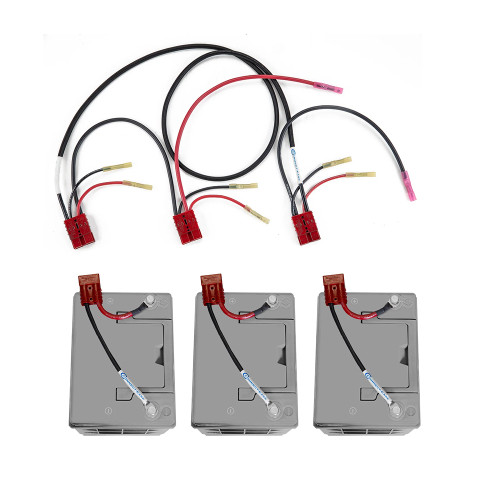
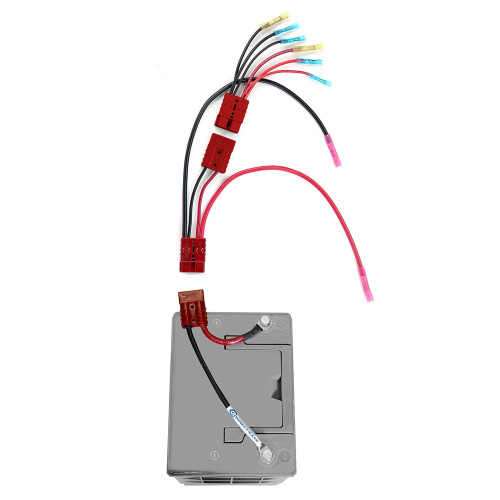
Serious kayak anglers facing complex electronics installations and demanding trolling motor power requirements will find the Connect-Ease Yak Max Pro an indispensable component. This integrated system simplifies the networking of multiple high-draw electronics, including graphs, live imaging, and forward-facing sonar transducers, alongside a trolling motor. It features robust 8-gauge trolling motor rigging and fused connections, ensuring vital equipment is protected from voltage spikes, critical for prolonged offshore excursions on the Gulf Coast.
Key Features
- Powers multiple graphs, live imaging, forward-facing sonar transducers, black boxes, and trolling motors
- Self-contained pack-in/pack-out power rigging solution
- Fused connections protect valuable electronics
- Heat shrinkable splices for corrosion-free connections
- Allows for easy removal of electronics and battery
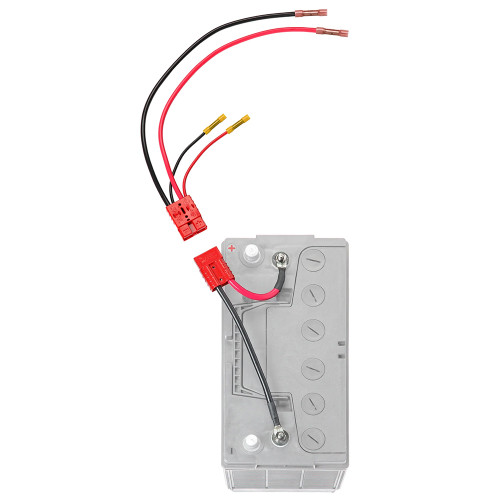
- 18-gauge positive and negative 8-gauge trolling motor rigging
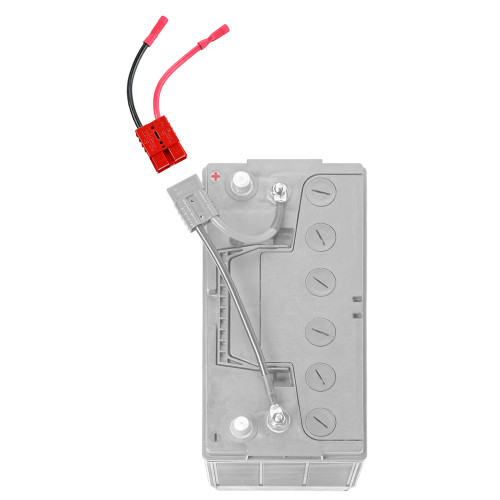
- 3 connections and a quick snap battery connection
- Lithium compatible and pro tested
Specifications
| Product Specifications | |
|---|---|
| Brand | Connect-Ease |
| SKU | CWR104726 |
| MPN | RCE12VKYKPRO |
| Category | Marine Navigation & Instruments | Accessories |
| Trolling Motor Rigging | 18-gauge positive and negative 8-gauge |
| Connections | 3 connections |
| Battery Connection Type | Quick snap |
| Lithium Compatible | Yes |
| Pro Tested | Yes |
Who This Is For
Serious kayak anglers outfitting their vessels with multiple high-demand electronics, including advanced sonar and live imaging, and a trolling motor. This user requires a streamlined and reliable power distribution system for effortless deployment and retrieval.
How It Compares
| Feature | Kayak Power Rigging Solution | Competitor |
|---|---|---|
| Primary Function | Integrated power distribution and rigging for kayak electronics and trolling motor | Onboard battery charger, DC fuse block for circuit protection |
| Trolling Motor Connection | Integrated 8-gauge rigging with 3 connections | No, No |
| Multiple Electronics Networking | Yes (graphs, live imaging, sonar, black boxes) | No, Yes |
| Battery Quick Connect | Yes (quick snap) | No, No |
| Lithium Compatible | Yes | Yes (charger dependent), Yes |
Common Concerns Answered
Is the Connect-Ease Yak Max Pro expensive compared to other solutions?
While the initial investment may exceed basic wiring methods, the Yak Max Pro provides an all-in-one, integrated solution that protects valuable electronics with fused connections and simplifies complex rigging, offering long-term value and reliability.
Do I need to buy a separate battery and trolling motor?
Yes, the Yak Max Pro is a power rigging solution and requires a compatible 12V battery and trolling motor; it is not an inclusive kit.
Will I have trouble with corrosion on my kayak connections?
The Yak Max Pro utilizes heat shrinkable splices to ensure corrosion-free connections, significantly improving the longevity and reliability of your electrical system in marine environments.
Frequently Asked Questions
What is the Connect-Ease Yak Max Pro designed for?
The Connect-Ease Yak Max Pro is specifically engineered as a comprehensive power rigging solution for kayak anglers, enabling the seamless networking of multiple high-demand electronics and a trolling motor.
What types of electronics can the Yak Max Pro power?
The Yak Max Pro is capable of powering multiple graphs, live imaging units, forward-facing sonar transducers, black boxes, and trolling motors.
Is the Yak Max Pro compatible with lithium batteries?
Yes, the Connect-Ease Yak Max Pro is designed to be lithium compatible, allowing for advanced battery technology integration.
What gauge wire is used for the trolling motor rigging?
The trolling motor rigging on the Connect-Ease Yak Max Pro utilizes 8-gauge wire for positive and negative connections, ensuring robust power delivery.
How does the Yak Max Pro protect electronics?
The Yak Max Pro incorporates fused connections to safeguard valuable electronics from potential voltage surges and overcurrent conditions.