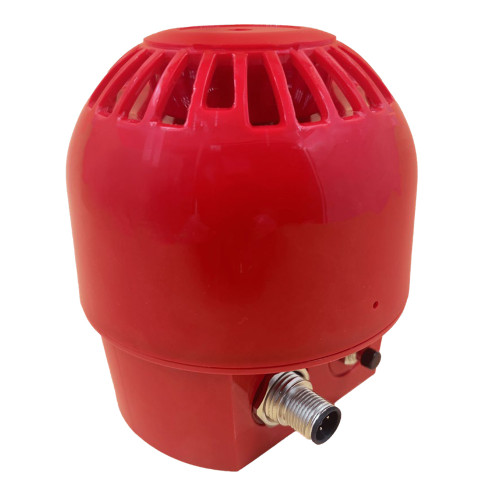


Description
Digital Yacht CO Alert w/ NMEA 2000 | Boat Supply Store
Safeguard your vessel against the insidious threat of carbon monoxide with this marine-specific detection system. It provides critical alerts directly to compatible NMEA 2000 displays, unlike household units, ensuring immediate awareness of hazardous conditions. Featuring ultra-low power consumption and UL-listing for reliable operation, this DC-powered unit integrates seamlessly into your existing marine electronics for comprehensive vessel protection, particularly useful on cruising yachts operating in enclosed waters where CO buildup is a concern.
Key Features
- UL-listed for assured marine safety standards
- NMEA 2000 integration for alerts on MFDs
- Ultra-low power consumption for minimal electrical drain
- Local loud alarm for immediate audibility
- System fault checking ensures continuous operational readiness
- Multi-cabin compatible for comprehensive coverage
- DC-powered for direct vessel integration
- Expandable for remote alerts via additional Digital Yacht systems
Specifications
| Product Specifications | |
|---|---|
| Power Source | DC-powered |
| Certifications | UL-listed |
| Connectivity | NMEA 2000 |
| Power Consumption | Ultra-low |
Who This Is For
Boat owners and operators prioritizing onboard safety with a requirement for reliable carbon monoxide detection. Ideal for those with NMEA 2000 compatible navigation systems seeking integrated monitoring.
How It Compares
| Feature | Digital Yacht CO Alert w/ NMEA 2000 | Competitor |
|---|---|---|
| Primary Function | Carbon Monoxide Alarm | Marine Camera |
| NMEA 2000 Connectivity | Yes | Yes |
| Power Source | DC-powered | NMEA 2000 |
| Alert Type | Carbon Monoxide Detection | Video Feed |
| UL-listed | Yes | null |
Common Concerns Answered
Why is this detector better than a household model?
This detector is specifically designed for the marine environment, offering NMEA 2000 integration for critical alerts on your vessel's navigation system, which household units lack. It's built for the unique challenges of boats and is UL-listed for marine safety.
What is the primary benefit of NMEA 2000 integration?
NMEA 2000 integration allows the Digital Yacht CO Alert to send critical carbon monoxide alerts and system fault notifications directly to compatible Multi-Function Displays (MFDs), providing immediate visual awareness to the crew without needing to be near the alarm unit itself.
Can I get remote notifications if I'm away from the boat?
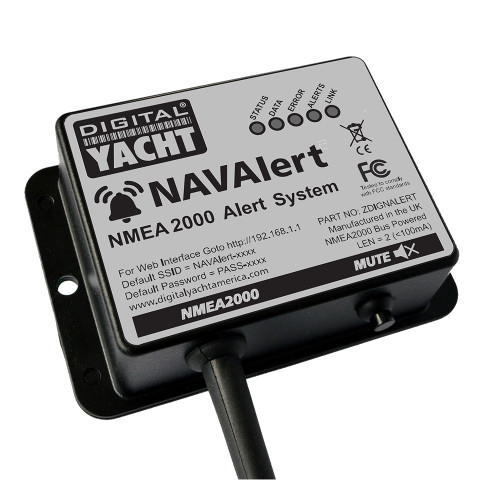
Yes, the CO Alert can be expanded for SMS alerts when combined with additional Digital Yacht products like the NavAlert system, enabling you to receive critical safety notifications remotely when away from your vessel.
Frequently Asked Questions
What is the power consumption of the Digital Yacht CO Alert?
The Digital Yacht CO Alert features ultra-low power consumption, making it ideal for continuous operation on a vessel without significantly impacting the DC power system.
Can the Digital Yacht CO Alert be integrated with other marine systems?
Yes, it integrates directly with the NMEA 2000 network bus, allowing it to communicate alerts and fault data to compatible marine electronics, such as Multi-Function Displays (MFDs).
What types of alerts does the Digital Yacht CO Alert provide?
It provides a local loud audible alarm when carbon monoxide is detected, and also sends NMEA 2000 alerts for both activation (CO detection) and system faults, which can be displayed on compatible MFDs.
Is the Digital Yacht CO Alert suitable for use on boats?
Absolutely, it is specifically designed and engineered for marine applications, featuring DC power operation, NMEA 2000 integration, and is UL-listed for marine safety. It overcomes the limitations of standard household detectors in a vessel environment.
How does the NMEA 2000 integration work with the Digital Yacht CO Alert?
The detector connects to the boat's existing NMEA 2000 backbone, transmitting PGNs (Parameter Group Numbers) that indicate CO detection events and system status. This data can then be interpreted and displayed by any NMEA 2000 certified display, with Garmin MFDs offering robust implementation.