

Description
Garmin 40' Marine Network Cable | Boat Supply Store
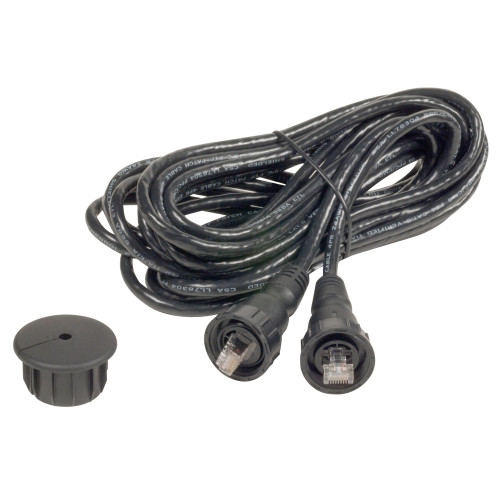
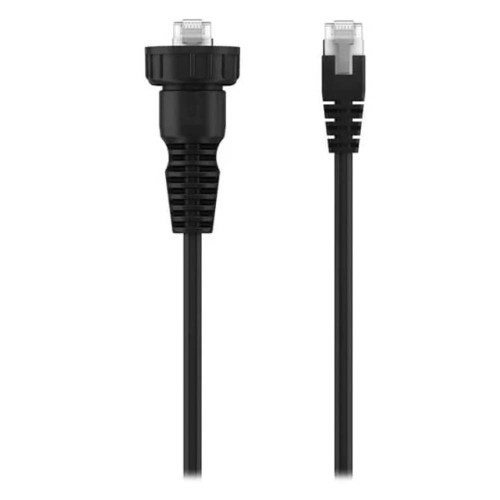
Establish robust data connectivity between your Garmin marine electronics with this purpose-built 40-foot network cable. Engineered for the demanding marine environment, it utilizes standard RJ45 connectors for seamless integration with compatible Garmin devices. This durable 40-foot cable ensures uninterrupted signal integrity, critical for maintaining precise navigation and instrument readings on vessels operating in saltwater or freshwater conditions.
Key Features
- Flexible 40-foot length for optimal device placement
- Standard RJ45 connectors for broad compatibility
- Rugged construction withstands harsh marine environments
- Reliable data transfer for critical navigation systems
- Secure connections to prevent signal degradation
- Easy installation for immediate use
- Garmin ecosystem integration
- Durable materials for long service life
Specifications
| Product Specifications | |
|---|---|
| Length | 40 feet |
| Connector Type | RJ45 |
Who This Is For
Boaters requiring a reliable 40-foot connection for their Garmin marine electronics and marine electronics installers needing to integrate navigation and instrument data. This cable is ideal for ensuring seamless communication between devices on vessels up to 40 feet in length.
How It Compares
| Feature | Garmin 40' Marine Network Cable | Network Hub |
|---|---|---|
| Length | 40 feet | 49 feet, N/A |
| Connector Type | RJ45 | RayNet (proprietary), Simrad/Navico proprietary |
Common Concerns Answered
Why is this cable more expensive than a standard Ethernet cable?
This cable is specifically engineered for the harsh marine environment with superior corrosion resistance and enhanced durability compared to standard Ethernet cables. The marine-grade construction ensures long-term reliability, preventing premature failure due to salt spray, UV exposure, and vibration, which justifies the investment for critical marine electronics.
Can I use a cheaper, non-marine grade cable instead?
While a standard Ethernet cable may appear functional initially, it lacks the robust construction and environmental protection required for marine applications. This can lead to corrosion, signal interference, and eventual failure, jeopardizing your navigation systems. The Garmin marine network cable offers superior longevity and performance in challenging conditions.
What happens if I need a longer cable for a larger vessel?
Garmin offers various lengths of marine network cables to accommodate different vessel sizes. For larger vessels exceeding the 40-foot range of this specific cable, it is recommended to consult the Garmin product catalog or a marine electronics specialist to identify the appropriate longer cable solution or network configuration.
Frequently Asked Questions
What is the purpose of the Garmin 40' Marine Network Cable?
The Garmin 40' Marine Network Cable is designed to connect compatible Garmin marine electronics devices, enabling the transmission of navigation data, sensor information, and network communications.
What type of connectors does this cable use?
This cable utilizes standard RJ45 connectors, ensuring compatibility with a wide range of Garmin marine network devices.
Is this cable waterproof or water-resistant?
While designed for marine environments, the cable itself is not intended for submersion. Its construction provides robust protection against splashes, moisture, and the elements common on a boat, making it water-resistant for typical onboard use.
Can this cable be used for extending an existing network cable?
This cable is intended for direct connection between devices. For extending an existing network, it is generally recommended to use designated network expansion ports or hubs, or consult your Garmin installation manual for best practices regarding cable extensions to maintain signal integrity.
What devices are compatible with this Garmin network cable?
This cable is compatible with Garmin marine electronics that feature RJ45 network ports, such as GPSMAP chartplotters, GMR radar units, GSD fishfinders, and GHC autopilots within the Garmin marine ecosystem.