
Description
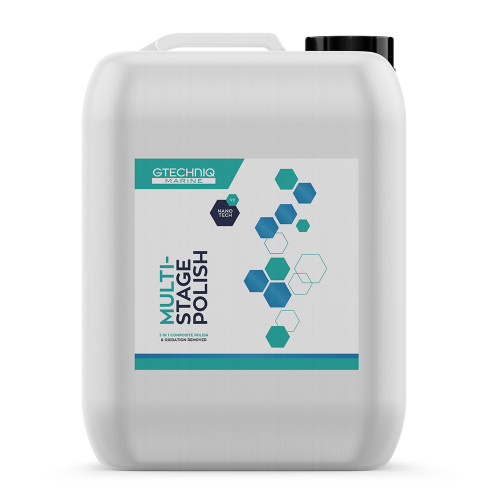
Gtechniq Multi-Stage Polish 5L - Boat Supply Store | Boat Supply Store
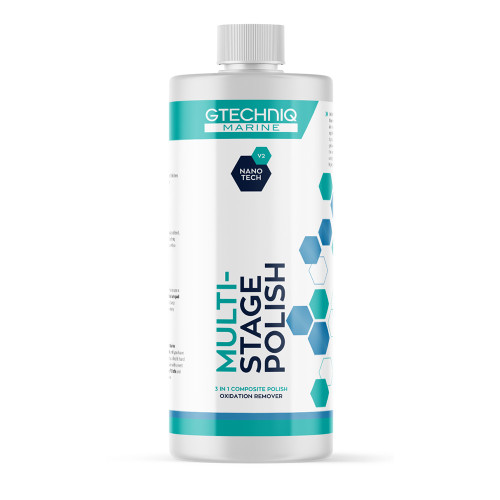
Tackle moderate to light oxidation and surface imperfections on your vessel with Gtechniq Marine Multi-Stage Polish. This formulation leverages advanced nanoscale alpha alumina particles, enabling surface reflow for exceptional defect removal and gloss enhancement while minimizing gelcoat and topcoat damage. Its 5-liter volume is ideal for professional detailers or frequent maintenance of larger hulls, ensuring a flawless finish suitable for saltwater environments.
Key Features
- Reflows Surface with advanced nanoscale alpha alumina particles.
- Removes Surface Defects efficiently without aggressive compounds.
- Achieves Flawless high-gloss finish on gelcoat.
- Kind to Gelcoat and topcoats, preventing damage.
- Minimizes Damage compared to traditional abrasive polishes.
- No Unsightly Buffer Trails are left behind.
- Large 5L Volume for extensive marine applications.
- Professional Grade Formula for superior results.
Specifications
| Product Specifications | |
|---|---|
| Brand | Gtechniq |
| SKU | CWR108781 |
| Volume | 5 Liters |
| MPN | MMP 5 |
| Abrasive Technology | Nanoscale alpha alumina particles |
Who This Is For
Boat owners and professional detailers seeking a high-performance, gelcoat-friendly polish. Ideal for restoring and enhancing the finish of vessels with moderate to light oxidation or surface imperfections.
How It Compares
| Feature | Gtechniq Multi-Stage Polish 5L - Boat Supply Store | Competitor |
|---|---|---|
| Primary Function | Multi-stage defect removal and high-gloss finish | Heavy defect removal and compounding, Finishing polish for light swirls and gloss enhancement |
| Abrasive Technology | Nanoscale alpha alumina particles (reflow) | Mineral abrasives, Micro-diminishing abrasives |
| Gelcoat/Topcoat Friendliness | Kind to topcoat and gelcoat | Moderate (requires careful use), Very kind |
| Size | 5L | — |
Common Concerns Answered
What can cause difficulty in removing Gtechniq Multi-Stage Polish?
Difficulty in removing the product can arise from incorrect application techniques or if the surface is allowed to dry out excessively before buffing. Following recommended application and buffing procedures is key.
What equipment is necessary for optimal results with Gtechniq Multi-Stage Polish?
For best results, Gtechniq Multi-Stage Polish is recommended for use with rotary polishers and specific Gtechniq Hotswap pads. This may represent an additional investment for users accustomed to simpler methods.
Will Gtechniq Multi-Stage Polish leave unsightly buffer trails?
No, Gtechniq Multi-Stage Polish is specifically formulated to avoid leaving unsightly buffer trails, ensuring a clean and professional finish.
Frequently Asked Questions
What makes Gtechniq Multi-Stage Polish different from traditional polishes?
Unlike traditional polishes that rely on aggressive abrasive action, Gtechniq Multi-Stage Polish utilizes advanced nanoscale alpha alumina particles that reflow the surface, offering a gentler yet highly effective method for defect removal and gloss enhancement.
Can Gtechniq Multi-Stage Polish be used on all boat surfaces?
Gtechniq Multi-Stage Polish is specifically designed to be kind to gelcoat and topcoats, making it suitable for most common marine finishes. It is particularly effective on gelcoat surfaces.
What is the recommended application method for Gtechniq Multi-Stage Polish?
The recommended application method involves using a rotary polisher with specific Gtechniq Hotswap pads. It's crucial to follow the product's detailed instructions for optimal performance and defect removal.
How does Gtechniq Multi-Stage Polish achieve a high-gloss finish?
It achieves a high-gloss finish by effectively removing surface defects and microscopic imperfections through the reflow action of its nanoscale alpha alumina particles, creating a smoother, more reflective surface.
What is the benefit of using nanoscale alpha alumina particles in this polish?
The benefit of using nanoscale alpha alumina particles lies in their ability to reflow the surface. This process removes defects more effectively and gently, causing less damage to the gelcoat and topcoat compared to conventional abrasive compounds.