
-
On Sale!
-
On Sale!
-
On Sale!

-
On Sale!
-
On Sale!

Lumitec
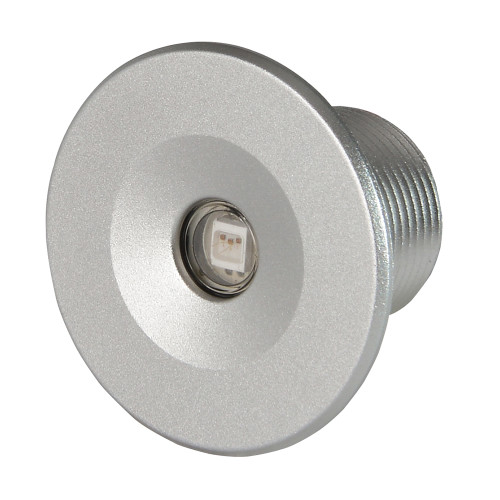
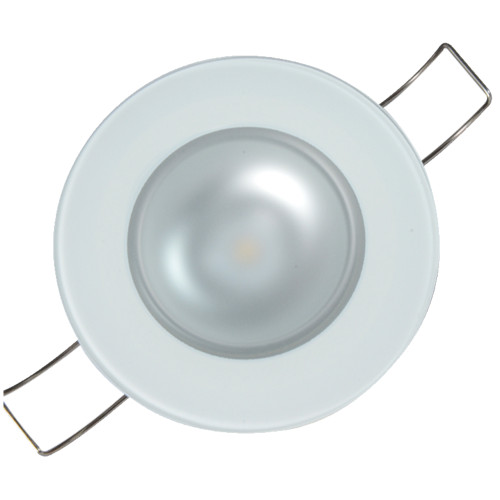
Lumitec GAI2 White Dimming/Red & Blue Non-Dimming Heavy Duty Base - White Housing
$273.49$217.99 -
On Sale!

-
On Sale!
-
On Sale!
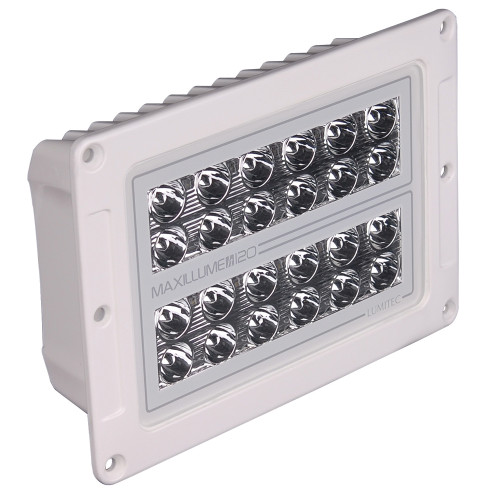
Lumitec
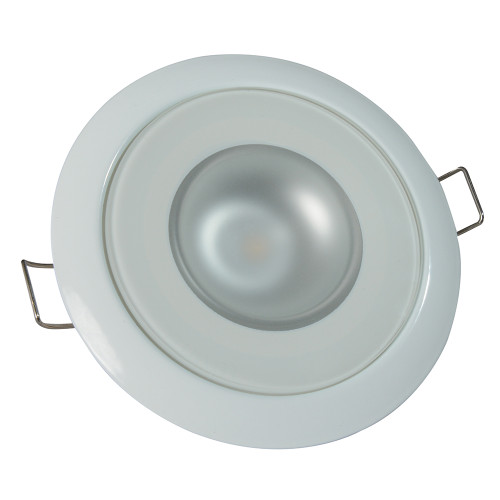
Lumitec Maxillume h120 - Flush Mount Flood Light - White Housing - White Dimming
$946.89$696.99 -
On Sale!
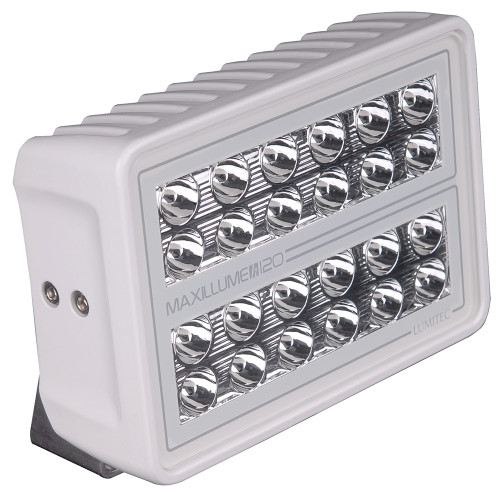
Lumitec
Lumitec Maxillume h120 - Trunnion Mount Flood Light - White Housing - White Dimming
$946.59$697.99 -
On Sale!
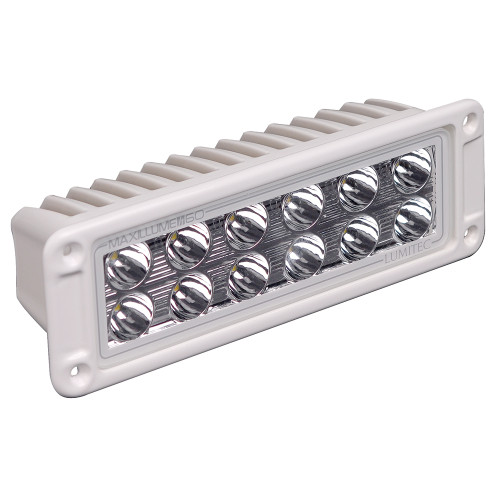
Lumitec
Lumitec Maxillumeh60 - Flush Mount Flood Light - White Housing - White Dimming
$610.79$454.99 -
On Sale!

Lumitec
Lumitec Maxillume h60 - Trunnion Mount Flood Light - White Dimming - White Housing
$610.49$455.99 -
On Sale!

Lumitec
Lumitec Zephyr LED Spreader/Deck Light -Brushed, Black Base - White Non-Dimming
$221.99$166.99 -
On Sale!
-
On Sale!

-
On Sale!
-
On Sale!
-
On Sale!
-
On Sale!

-
On Sale!
-
On Sale!

Lighting
Marine lighting encompasses all illumination systems designed to meet the specific electrical, structural, and regulatory demands of vessel operation, from USCG-mandated navigation lights to high-output LED spreader lights and underwater accent systems. Boat Supply Store carries 921 lighting products across 29 specialized marine brands, ranging from $7.99 replacement bulbs to $2,655.99 professional-grade LED light bars engineered for offshore performance.
Choosing the Right Lighting for Your Vessel
The most expensive mistake in marine lighting happens when boaters install automotive or household fixtures that fail within months due to voltage fluctuations, moisture intrusion, or corrosion from salt exposure. Marine-rated lighting must withstand constant vibration, wide voltage ranges (9-32V DC for most systems), UV degradation, and the electrochemical destruction that seawater accelerates. A proper marine fixture uses sealed electronics, corrosion-resistant housings (typically 316 stainless steel or marine-grade aluminum), and gaskets rated IP67 or higher to prevent water ingress.
Key Specifications to Evaluate
Voltage compatibility matters first. Most boats run 12V DC systems, but larger vessels may use 24V or dual-voltage configurations. LED technology has replaced incandescent and halogen in nearly all applications due to 80% lower current draw, minimal heat generation, and 50,000+ hour lifespans. However, not all LEDs handle voltage spikes equally—premium fixtures include integrated voltage regulation and reverse polarity protection to survive alternator surges and wiring errors that destroy cheaper units.
Light output gets measured in lumens, but the practical metric is lumens per watt efficiency combined with beam angle. Navigation lights must meet USCG visibility requirements measured in candela at specific angles—a masthead light needs 5 nautical miles visibility, while sidelights require 2 nautical miles. Deck and spreader lights demand high lumen output (2,000-10,000+ lumens) with controlled beam patterns—flood for cockpit illumination, spot for distance visibility when running offshore at night. Color temperature runs from 2700K (warm white, similar to incandescent) to 6000K (cool white, closer to daylight); most boaters prefer 4000-5000K as a balance between visibility and night vision preservation.
Housing construction determines longevity in the marine environment. Look for fixtures with 316 stainless steel or hard-anodized aluminum bodies, polycarbonate or tempered glass lenses (not acrylic, which yellows and cracks), and silicone or EPDM gaskets. Mounting method affects installation complexity—surface-mount fixtures install fastest but sit proud of the surface, flush-mount units require cutouts but create cleaner lines, and through-hull installations for underwater lights demand proper hull penetration technique and sealant selection.
Marine Lighting Selection by Application
| Application | Recommended Output | Beam Pattern | Key Requirements |
|---|---|---|---|
| Navigation (running lights) | Per USCG spec (measured in candela) | Defined by regulations | USCG/COLREGS compliant, correct arc coverage |
| Anchor light | 10-25 watts LED equivalent | 360° all-around | 2nm visibility, white light, masthead mount |
| Cockpit/deck lighting | 500-2,000 lumens | Wide flood (90-120°) | Red/white switchable to preserve night vision |
| Spreader/mast lights | 2,000-6,000 lumens | Flood (60-90°) | High-vibration mounting, wide coverage |
| Underwater lights | 1,000-4,000 lumens | Wide flood | Bronze through-hull, ABYC H-27 bonding |
| Interior cabin lighting | 200-800 lumens | Diffused | Warm color temp, dimmable, low profile |
| Utility/engine room | 400-1,500 lumens | Focused or flood | Enclosed fixture, vibration resistant |
Price Guide: What to Expect at Each Budget Level
Budget tier: $7.99–$100 — Replacement bulbs, basic LED interior lights, and simple navigation light fixtures suitable for trailered freshwater boats with seasonal use. These meet basic USCG requirements but use lower-grade materials and lack voltage protection circuitry. Expect 2-5 year lifespan with proper winterization.
Mid-range tier: $100–$500 — Quality LED deck lights, flush-mount interior fixtures, and improved navigation lights from established marine brands like Lumitec and Attwood. This tier delivers better color rendering, dimming capability, integrated circuit protection, and corrosion-resistant housings that handle year-round saltwater exposure. Most recreational boaters find optimal value here with 10+ year service life.
Premium tier: $500–$2,655.99 — Professional-grade LED light bars, high-output spreader systems, RGB color-changing underwater lights, and NMEA 2000-integrated fixtures with digital control. Built for commercial vessels and serious offshore use with military-spec components, shock isolation, and warranties reflecting 50,000+ hour expected lifespans. Features include thermal management systems, advanced optics for precise beam control, and materials like titanium hardware and sapphire lenses.
How the Top Lighting Compare
| Feature | RIGID Industries RDS-Series PRO 50" |
|---|---|
| Light Output | Professional-grade LED array (spot beam) |
| Beam Pattern | Spot (distance illumination) |
| Housing Material | Marine-grade aluminum with advanced thermal management |
| Voltage Range | 9-32V DC (multi-voltage compatible) |
| Primary Application | Offshore spreader/search light, tower mount, commercial vessel |
| Best For | Operators requiring maximum distance visibility and durability |
Our Top Picks for Lighting
These fixtures represent proven performance across different vessel types and applications, selected for component quality and real-world reliability in marine environments.
RIGID Industries RDS-Series PRO 50" - Spot LED - White
RIGID Industries | $2549.99
Professional 50-inch LED light bar engineered for extreme marine conditions with spot beam configuration for maximum distance illumination.
- Advanced thermal management and IP68-rated sealing handle offshore punishment while delivering concentrated light output for navigation and search operations on sportfish towers and commercial vessels.
Trusted Lighting Brands We Carry
Lumitec dominates our marine lighting inventory with 196 products averaging $234.22, reflecting their engineering focus on color rendering, thermal efficiency, and corrosion resistance through proprietary aluminum alloys and sealed electronics. RIGID Industries specializes in high-output LED bars and pods originally developed for off-road racing but adapted with marine-specific voltage regulation and stainless hardware for tower and T-top installations. Attwood, Perko, and Hella maintain decades of USCG compliance expertise in navigation lighting, while Scandvik and i2Systems excel in low-profile interior fixtures with NMEA integration and smart dimming control.
Frequently Asked Questions
What does USCG compliance mean for navigation lights and which vessels require it?
USCG compliance means navigation lights meet the technical specifications in the Navigation Rules (COLREGS) for visibility range, color chromaticity, and horizontal/vertical arc coverage. All vessels operating between sunset and sunrise or in restricted visibility must display proper navigation lights—powerboats under 39.4 feet need combined red/green sidelights visible for 1 nautical mile and a white stern light visible for 2 nautical miles, while boats under power also require a white masthead light visible for 2 nautical miles. Sailboats under sail alone may use a tri-color masthead light instead of separate sidelights and stern light. The USCG does not "approve" lights, but manufacturers self-certify compliance with ABYC A-16 standards, and enforcement focuses on whether lights meet visibility requirements and proper color specifications rather than brand certification.
Can I use automotive LED light bars on my boat or do I need marine-specific fixtures?
Automotive LED bars lack the voltage regulation, conformal coating on circuit boards, and sealed connectors that marine fixtures require for reliable operation in the high-moisture, salt-spray environment of boats. Marine electrical systems experience wider voltage swings (9-15V on 12V systems during starting and charging) than automotive systems, and automotive lights often fail or flicker without proper regulation circuitry. Corrosion starts at connections and mounting points within months of saltwater exposure on non-marine fixtures. Beyond reliability issues, automotive lights typically use automotive-style connectors and mounting hardware that corrode rapidly, while marine fixtures use tinned copper wiring, sealed Deutsch or AMP connectors, and stainless mounting hardware. If you run in freshwater only and trailer your boat with indoor storage, automotive lights may survive, but any saltwater exposure or permanent mooring requires proper marine-rated fixtures.
How do I calculate the correct wire gauge for my lighting circuit?
Wire sizing for marine DC circuits follows ABYC E-11 standards based on total amperage and wire run length to limit voltage drop to 3% for critical circuits (navigation lights) or 10% for non-critical circuits (deck lights). Calculate total amperage by dividing total wattage by system voltage—a 60-watt LED light bar on a 12V system draws 5 amps. Measure the total wire run including both positive and negative conductors (a 10-foot fixture location means 20 feet of wire). For a 5-amp load over 20 feet, 14 AWG wire provides adequate capacity with minimal voltage drop. Higher amperage or longer runs require larger wire—a 20-amp circuit over 30 feet needs 10 AWG minimum. Always use marine-grade tinned copper wire sized per ABYC tables, install proper overcurrent protection (circuit breaker or fuse) within 7 inches of the power source, and consider voltage drop more carefully on lights where reduced voltage causes noticeable dimming. Most LED fixtures tolerate wider voltage ranges than incandescent, but proper wire sizing ensures full output and prevents wire heating.
What's the difference between IP67 and IP68 ratings and which do I need?
IP (Ingress Protection) ratings define dust and water resistance with two digits—the first rates solid particle protection (6 means dust-tight), the second rates water protection. IP67 means the fixture survives temporary immersion to 1 meter depth for 30 minutes, suitable for deck-mounted lights that might get submerged by waves or washdown. IP68 indicates submersion beyond 1 meter for extended periods as specified by the manufacturer (often 3 meters continuously), required for underwater lights and bilge-mounted fixtures. For most above-deck applications including navigation lights, spreader lights, and deck floods, IP67 provides adequate protection. Through-hull underwater lights and anything permanently submerged needs IP68 minimum. The rating only applies when the fixture is properly installed with sealed cable entries—drilling additional holes or using non-marine connectors voids the protection. Interior cabin lights typically carry IP20-IP44 ratings since they don't face water immersion, though higher-rated fixtures survive head compartment splash and condensation better.
Should I choose warm white or cool white LED color temperature for my boat?
Color temperature affects both visibility and comfort, measured in Kelvin—lower numbers (2700-3000K) appear warm/yellow like incandescent bulbs, while higher numbers (5000-6500K) appear cool/blue like daylight. For interior cabin lighting, 2700-3200K warm white creates comfortable ambiance similar to household lighting and works well in sleeping and social areas. Deck and cockpit working lights perform better at 4000-5000K neutral white, providing good color rendering for tasks like rigging lines or filleting fish without the harsh blue cast of higher temperatures. Spreader lights and searchlights used for navigation often run 5000-6000K cool white for maximum visibility and contrast, though some operators prefer 4000K to reduce eye strain during extended night running. Avoid mixing color temperatures in the same visual field as the contrast causes eye fatigue. Red LED modes (or filters) preserve night vision for helmsmen while allowing crew to move around—switching between red and white gives the best of both. RGB color-changing underwater and accent lights let you choose color for ambiance, but their white modes typically sacrifice efficiency and color quality compared to dedicated white LEDs.
Need help selecting the right Lighting for your vessel? Contact our technical support team for a free system review — we'll help you spec the right components for your boat's requirements.