
-
On Sale!

-
On Sale!
-
On Sale!
-
On Sale!
-
On Sale!
-
On Sale!
-
On Sale!
-
On Sale!
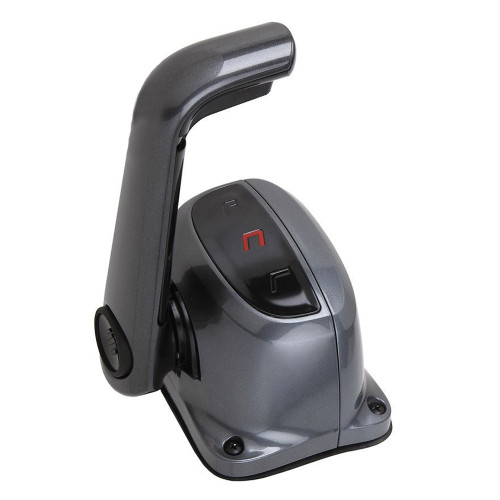
Uflex USA
Uflex Single Lever Top Mount Control w/Neutral Lock - No Trim Switch - Black
$590.21$477.99 -
On Sale!
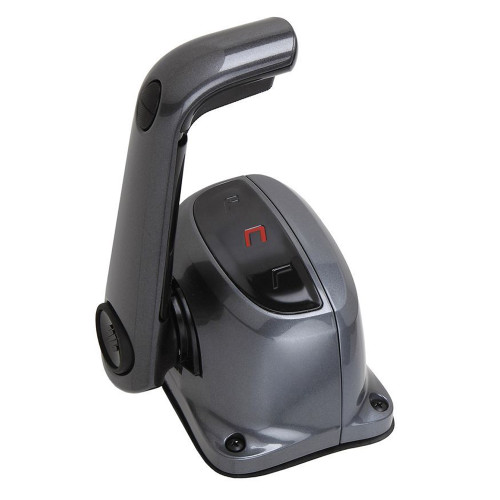
Uflex USA
Uflex Single Lever Top Mount Control w/Neutral Lock & Trim Switch - Black
$730.34$595.99 -
On Sale!
-
On Sale!

-
On Sale!
-
On Sale!
-
On Sale!
-
On Sale!
-
On Sale!
-
On Sale!
-
On Sale!

-
On Sale!
-
On Sale!

Outfitting
Marine outfitting encompasses the control systems, steering components, instrumentation supports, and operational equipment that transform a hull into a functional vessel. Boat Supply Store carries 2502 in-stock outfitting products from 111 manufacturers, ranging from basic mechanical controls to sophisticated dual-station electronic shift systems for professional-grade installations.
Choosing the Right Outfitting for Your Vessel
The wrong control system creates more than inconvenience—it introduces safety risks and mechanical failures that strand vessels and damage engines. Mismatched throttle and shift controls cause transmission wear, while undersized steering systems create dangerous helm response delays in challenging conditions. Electronic controls paired with incompatible engine management systems result in erratic performance and diagnostic nightmares that marine technicians struggle to resolve without complete system replacement.
Key Specifications to Evaluate
Control system selection starts with engine compatibility and station configuration. Single-engine installations with mechanical linkage require straightforward cable-actuated controls, while dual-engine setups demand synchronized systems that maintain equal throttle positions under load. Electronic shift systems integrate with CANbus networks and require specific voltage ranges—typically 12V or 24V—matched to your vessel's electrical architecture. Station count determines whether you need simple single-helm controls or dual-station packages with synchronized electronic communication between helm positions.
Cable travel distance and routing complexity separate functional installations from problematic ones. Mechanical controls require specific cable lengths with minimal bends—generally no more than two 90-degree turns per run—to prevent binding and excessive friction. Premium systems use low-friction liners and corrosion-resistant stainless steel cables that maintain smooth operation in saltwater environments. Electronic systems eliminate cable routing concerns but demand proper network termination, shielded wiring to prevent electromagnetic interference, and backup systems that meet ABYC standards for redundant engine control.
Material selection impacts longevity in marine environments where salt spray and UV exposure destroy inadequate components. Anodized aluminum housings resist corrosion better than painted steel, while sealed electronics with IP67 ratings or higher prevent moisture intrusion that causes control failures. Gimbal mounts require marine-grade bronze or composite materials that withstand constant movement without developing play or corrosion-induced seizure. Premium installations incorporate stainless steel fasteners, UV-stabilized plastics, and conformal-coated circuit boards that survive years of harsh marine exposure.
Installation complexity varies dramatically between retrofit applications and new builds. Adding dual-station capability to existing single-helm vessels requires running new cables or network wiring, mounting additional control heads, and potentially upgrading engine management modules to support the expanded architecture. Electronic systems need proper power supply circuits with appropriate fusing and voltage regulation—typically dedicated circuits to prevent interference from high-draw accessories like windlasses or thrusters. ABYC E-11 standards specify wire gauge, routing, and protection requirements that determine whether your installation passes survey and maintains insurance coverage.
Control System Compatibility Matrix
| Engine Configuration | Control Type | Station Capability | Typical Applications |
|---|---|---|---|
| Single Outboard/Sterndrive | Mechanical Cable | Single or Dual | Runabouts, pontoons, small center consoles up to 30ft |
| Single Inboard | Mechanical Cable or Hydraulic | Single or Dual | Cruisers, sailboats with auxiliary power, trawlers |
| Twin Outboard/Sterndrive | Mechanical Cable (synchronized) | Single or Dual | Sport boats, fishing boats, mid-size cruisers |
| Twin Outboard (Digital) | Electronic Shift/Throttle | Single or Dual | Center consoles 28ft+, offshore fishing vessels |
| Twin Inboard Diesel | Electronic or Hydraulic | Dual Standard | Sportfish yachts, motor yachts, commercial vessels |
| Triple/Quad Outboard | Electronic (CANbus) | Dual Recommended | High-performance center consoles, tournament fishing boats |
Price Guide: What to Expect at Each Budget Level
Budget tier: $10.99–$200 — Basic mechanical controls for single-engine applications, replacement cables, mounting hardware, and simple gauge supports. Suitable for older outboards and small tiller-steer motors where electronic integration isn't required. Expect painted finishes that need regular maintenance and standard cable construction without premium low-friction liners.
Mid-range tier: $200–$1500 — Quality mechanical dual-engine controls with synchronized linkage, stainless steel cables with low-friction liners, anodized aluminum housings, and proper marine-grade corrosion resistance. This range includes single-station electronic controls for newer digital outboards and basic dual-station mechanical packages. Most recreational boaters with twin engines land here for reliable performance without the complexity of full electronic systems.
Premium tier: $1500–$8190.99 — Professional-grade electronic control packages with dual-station capability, CANbus integration, digital throttle and shift actuation, customizable response curves, and sophisticated engine monitoring integration. These systems support complex multi-engine configurations, provide redundant control paths for safety-critical applications, and integrate seamlessly with modern navigation and instrumentation networks. Commercial operators, offshore tournament boats, and vessels over 40 feet typically require this level of capability.
How the Top Outfitting Compare
| Feature | UFlex Power A Electronic Control Package |
|---|---|
| Engine Configuration | Dual Engine |
| Station Capability | Dual Station |
| Throttle Type | Mechanical |
| Shift Type | Electronic |
| Ideal Application | Professional twin-engine installations requiring dual-helm control with electronic shift precision |
Our Top Picks for Outfitting
These control systems represent proven performance across different vessel configurations and operational requirements.
UFlex Power A Electronic Control Package - Dual Engine/Dual Station - Mechanical Throttle/Electronic Shift
Uflex USA | $8190.99
Hybrid control architecture combines mechanical throttle precision with electronic shift technology for dual-station twin-engine installations.
- Electronic shift actuation eliminates cable stretch and binding while maintaining direct mechanical throttle feel that experienced operators prefer for precise boat handling
Trusted Outfitting Brands We Carry
Uflex USA dominates the marine control market with engineered systems that balance mechanical reliability and electronic sophistication—their products appear in everything from 20-foot center consoles to 60-foot sportfish yachts because they maintain consistent performance across temperature extremes and corrosive environments. Teleflex represents the traditional standard for cable-actuated controls with decades of OEM partnerships that make their components the default replacement for countless vessel manufacturers. Seastar Solutions brings hydraulic steering expertise into integrated control packages that eliminate the cable routing nightmares plaguing complex installations. These manufacturers invest in ABYC standards development and maintain technical support teams that actually understand marine systems rather than reading from generic troubleshooting scripts.
Frequently Asked Questions
Can I add a second helm station to my existing single-station mechanical control system?
Adding dual-station capability to mechanical controls requires either a complete system replacement with synchronized dual-station controls or installation of a mechanical transfer valve that switches control between stations—you cannot operate both stations simultaneously with standard mechanical systems. Electronic control systems allow true dual-station operation where either helm can assume command, but retrofitting from mechanical to electronic requires compatible engine management modules, network wiring installation, and often electrical system upgrades to provide clean power and proper circuit protection. The labor cost for retrofit installations frequently exceeds the hardware cost due to cable removal, wire routing through finished spaces, and integration with existing gauge packages.
What's the maximum cable run length for mechanical throttle and shift controls?
Standard mechanical control cables should not exceed 20-25 feet of total run length, with performance degrading significantly beyond 15 feet especially when the routing includes multiple bends. Premium low-friction cables with Teflon or similar liners extend functional length to approximately 30 feet in ideal routing conditions, but friction still increases with distance and creates noticeable resistance at the helm. Beyond these distances, hydraulic or electronic controls become necessary to maintain acceptable control feel and prevent cable failure from excessive friction and heat buildup during operation.
Do electronic shift and throttle systems require special engine compatibility?
Electronic controls require engines equipped with compatible actuators and control modules—typically found on outboards manufactured after 2005 and inboards with electronic engine management systems. The control system must match the engine's communication protocol, whether proprietary CAN networks like Mercury's SmartCraft or Yamaha's Command Link, or standardized NMEA 2000 networks that allow cross-manufacturer integration. Installing electronic controls on older mechanical engines requires retrofitting electronic actuators to the engine, which costs $800-2000 per engine depending on configuration, plus recalibration and network setup that demands manufacturer-specific diagnostic tools.
How do I determine the correct control cable length for my installation?
Measure the actual routing path from the control head mounting location to the engine connection point, following the intended cable route through bulkheads, under decks, and around obstacles—then add 10% for routing flexibility and connection loops. Cables are sold in one-foot increments, so round up to the nearest foot. The routing should minimize sharp bends with a maximum of two 90-degree turns using bend radii no tighter than 8 inches to prevent binding. Never pull cables taut during installation—proper installation includes slack loops near both terminations to accommodate engine movement and prevent stress on connection points that causes premature cable failure.
What maintenance do marine control systems require?
Mechanical cable systems need annual lubrication using marine-grade cable lubricant injected through the cable jacket, inspection of cable ends for corrosion or fraying, and examination of mounting hardware for loose fasteners or corroded threads. Electronic systems require checking all network connections for corrosion, testing backup battery supplies, verifying proper voltage at control heads under load, and updating firmware when manufacturers release revisions that address compatibility or performance issues. Hydraulic systems demand annual fluid inspection for contamination, bleeding air from lines, checking actuator seals for leaks, and replacing fluid every three years regardless of condition—contaminated hydraulic fluid causes valve failures that strand vessels and require complete system replacement.
Need help selecting the right outfitting for your vessel? Contact our technical support team for a free system review — we'll help you spec the right components for your boat's requirements.