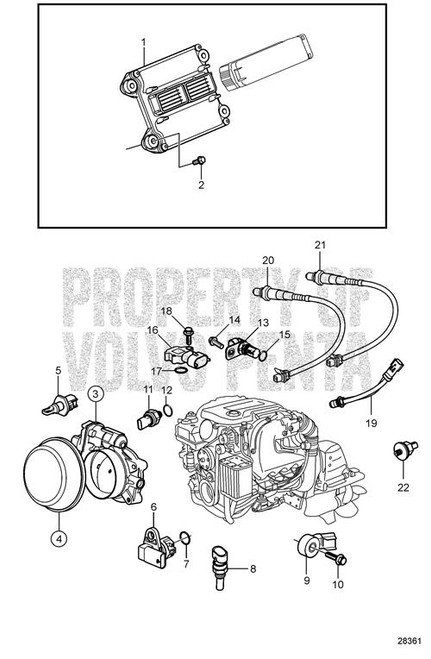


Description
Recambios Marinos Oxygen Sensor | Boat Supply Store
This direct-fit oxygen sensor ensures precise air-fuel mixture control, directly impacting engine efficiency and emissions compliance for gasoline-powered marine engines. It monitors the oxygen content in the exhaust stream, providing critical data to the engine control unit (ECU) for real-time adjustments. Proper functioning of this sensor is vital for maintaining optimal combustion and preventing excessive hydrocarbon and NOx emissions, especially crucial in sensitive waterways like Galveston Bay. A faulty sensor can lead to increased fuel consumption and potential engine performance issues.
Key Features
- Ensures optimal air-fuel ratio for peak engine performance.
- Reduces emissions for environmental compliance.
- Monitors exhaust gases for accurate engine feedback.
- Direct-fit design for straightforward installation.
- Durable construction built for harsh marine environments.
- Improves fuel economy through precise mixture control.
- Enhances engine responsiveness and smooth operation.
- Critical for diagnostic accuracy and engine health.
Specifications
| Product Specifications |
|---|
Who This Is For
This oxygen sensor is designed for marine engine mechanics and boat owners requiring a reliable replacement part for their gasoline inboard or outboard engines. It is essential for maintaining optimal engine performance and meeting emissions standards in various marine applications.
How It Compares
| Feature | Recambios Marinos Oxygen Sensor | Generic Oxygen Sensor |
|---|---|---|
| OEM Fitment | Direct-fit | Typically less capable |
| Material | Corrosion-resistant alloy | Standard metal |
| Response Time | Fast | Average |
| Operating Temperature Range | -40°C to 850°C | Typical -40°C to 800°C |
Common Concerns Answered
Will this sensor fit my specific engine model?
This oxygen sensor is engineered as a direct-fit replacement for specified marine engine applications, ensuring compatibility. Always verify your engine's OEM part number against the product's fitment data.
How do I know if my oxygen sensor needs replacement?
Symptoms of a failing oxygen sensor include decreased fuel efficiency, rough idling, increased emissions, and illumination of the check engine light. Diagnostic codes specific to oxygen sensor performance can also indicate a need for replacement.
Are there any special tools required for installation?
Standard hand tools, including a specialized oxygen sensor socket wrench, are typically required for installation. Ensure the engine is cool before beginning removal and installation.
Frequently Asked Questions
What is the primary function of an oxygen sensor in a marine engine?
The primary function is to measure the amount of unburned oxygen in the exhaust gas, allowing the engine control unit (ECU) to precisely regulate the air-fuel ratio for optimal combustion.
How does an oxygen sensor contribute to fuel efficiency?
By ensuring the air-fuel mixture is consistently near the stoichiometric ideal (14.7:1 for gasoline), the oxygen sensor prevents over-fueling or under-fueling, thereby maximizing fuel economy.
What are the typical operating temperature ranges for marine oxygen sensors?
Marine oxygen sensors typically operate effectively within a wide temperature range, commonly from -40°C up to 850°C, to withstand the extreme conditions of engine exhaust.
Can a faulty oxygen sensor affect engine diagnostics?
Yes, a faulty oxygen sensor will provide inaccurate data to the ECU, leading to incorrect fuel mixture adjustments and potentially triggering false diagnostic trouble codes (DTCs) or masking other engine issues.
What is the expected lifespan of a marine oxygen sensor?
The lifespan varies based on engine usage, fuel quality, and environmental conditions, but a typical marine oxygen sensor can last between 60,000 to 100,000 miles or 5-10 years before requiring replacement.