
Description
Regitar USA High-Pressure Fuel Pump for Mercruiser | Boat Supply Store
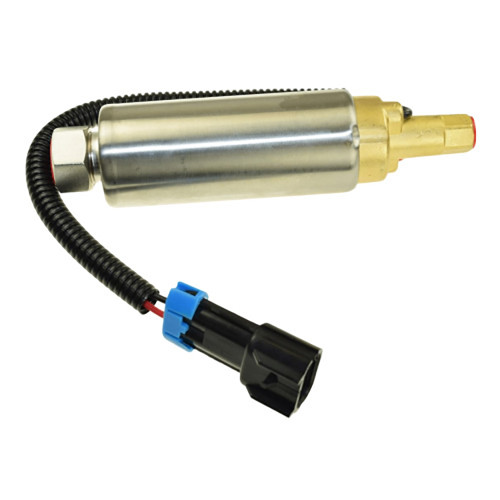
For boaters experiencing compromised fuel delivery in their Mercruiser Gen III Cool Fuel Module systems, this Regitar USA high-pressure fuel pump provides a precise replacement. Engineered to meet the demands of GM V-8 engine displacements ranging from 305 to 502 CID, it ensures consistent fuel flow essential for maintaining engine performance during demanding offshore runs. This unit replaces common failure points within the module, restoring optimal engine operation for various marine applications.
Key Features
- Direct-fit for Mercruiser Gen III Cool Fuel Module systems
- High-pressure output ensures robust fuel delivery
- Engineered for specific GM V-8 displacements (305, 350, 377, 496, 502 CID)
- Restores optimal engine performance and reliability
- Durable construction for marine environments
- Cost-effective alternative to OEM replacements
- Improves throttle response and power delivery
- Designed for professional marine mechanics and discerning boat owners
Specifications
| Product Specifications | |
|---|---|
| Brand | Regitar U.S.A. |
| MPN | RFP010 |
| Engine Brand | Mercruiser |
| Fitment | GM V-8 (305, 350, 377, 496 & 502 CID) Engines with Gen III Cool Fuel Module |
| Pump Type | High-Pressure |
Who This Is For
This fuel pump is specifically designed for marine mechanics and boat owners undertaking maintenance or repairs on Mercruiser engines equipped with the Gen III Cool Fuel Module. It is an ideal replacement for GM V-8 displacements including 305, 350, 377, 496, and 502 cubic inch configurations.
How It Compares
| Feature | Regitar USA High-Pressure Fuel Pump for Mercruiser | Competitor |
|---|---|---|
| High-Pressure Pump | Yes | Yes, Yes |
| Engine Brand | Mercruiser | Mercruiser, Mercruiser |
| Fitment (Engine CID) | GM V-8 (305, 350, 377, 496 & 502 CID) | GM V-8 (305, 350, 377, 496 & 502 CID), GM V-8 |
| Module Compatibility | Gen III Cool Fuel Module | Gen III Cool Fuel Module, Gen III Cool Fuel Module |
Common Concerns Answered
What is the expected lifespan of this Regitar USA fuel pump compared to an OEM part?
While aftermarket parts can sometimes exhibit variability in longevity compared to OEM components, this Regitar USA fuel pump is engineered for reliable performance. Proper installation and adherence to maintenance schedules will contribute to its service life.
Are there specific installation requirements to prevent leaks or ensure optimal performance?
Yes, precise installation is critical. Ensure all fuel line connections are properly seated and tightened to specified torque values. Incorrect installation can lead to fuel leaks or performance issues.
How does this aftermarket pump compare in reliability to original Mercruiser parts?
This Regitar USA pump is designed as a high-performance, direct-fit replacement. Customer sentiment indicates satisfaction with reliable fuel delivery and ease of installation, making it a viable option for many Mercruiser applications.
Frequently Asked Questions
What specific Mercruiser engine sizes is the Regitar USA Fuel Pump RFP010 compatible with?
The Regitar USA Fuel Pump RFP010 is compatible with Mercruiser GM V-8 engines displacing 305, 350, 377, 496, and 502 cubic inches.
Does the Regitar USA Fuel Pump RFP010 include a high-pressure pump functionality?
Yes, the Regitar USA Fuel Pump RFP010 is explicitly designed as a high-pressure fuel pump.
What is the precise fitment for the Regitar USA Fuel Pump RFP010?
This fuel pump is designed for Mercruiser engines with the Gen III Cool Fuel Module system, specifically for GM V-8 engine displacements of 305, 350, 377, 496, and 502 CID.
Is this fuel pump a direct replacement for a specific Mercruiser OEM part number?
While designed as a direct fit for the specified applications, it's recommended to cross-reference your existing Mercruiser OEM part number with the MPN RFP010 for absolute certainty.
What level of mechanical expertise is required for installing this fuel pump?
Installation difficulty is rated as 3 - Moderate. It requires basic mechanical knowledge, adherence to fuel system safety protocols, and potentially specialized tools for fuel line servicing. Proper torque specifications are essential.