
Description
Shurflo Twist-On Water Strainer 1/2" Barb | Boat Supply Store
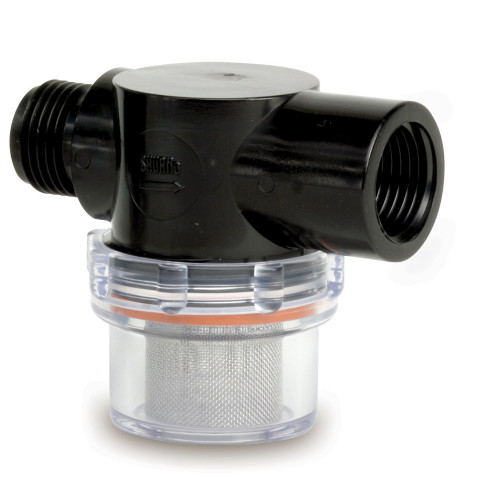
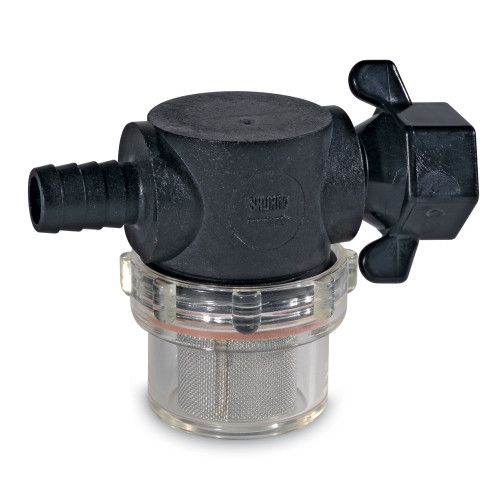
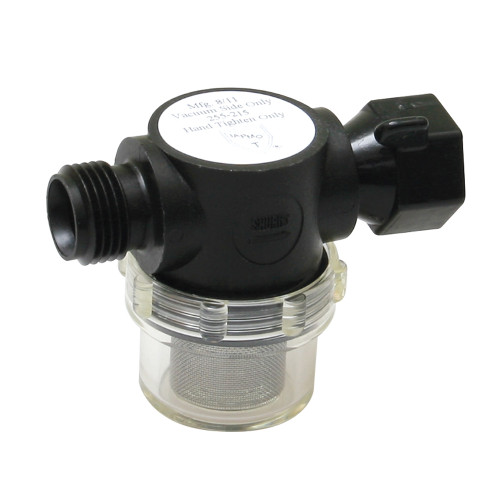
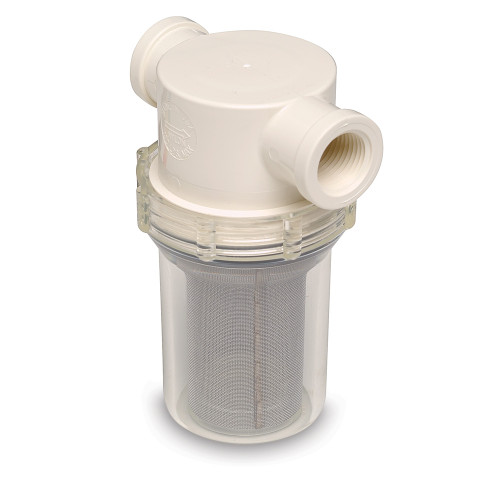
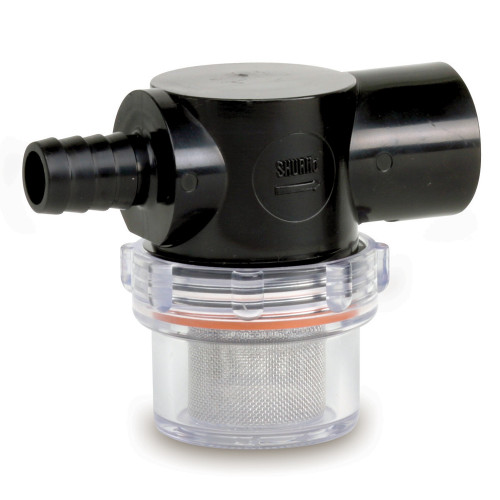
Safeguard your onboard water systems from damaging particulate matter with this Shurflo by Pentair twist-on strainer. Its integrated 50-mesh stainless steel screen effectively captures debris before it reaches your pump's impeller, preventing premature wear and costly repairs common in saltwater environments. The transparent bowl allows for immediate visual inspection, facilitating proactive maintenance and ensuring consistent water flow for your vessel's needs.
Key Features
- Easy twist-on installation directly to pump head
- Visual inspection via clear bowl to monitor debris
- Effective filtration with a 50-mesh stainless steel screen
- Simple disassembly for routine cleaning and reassembly
- Economical protection against pump damage from sediment
- Direct-fit design for seamless integration with compatible pumps
- Durable construction for marine applications
- Reliable performance in various water conditions
Specifications
| Product Specifications | |
|---|---|
| Brand | Shurflo by Pentair |
| Inlet Size | 1/2" Barb |
| Bowl Material | Clear Plastic |
| Screen Mesh | 50-Mesh Stainless Steel |
| Mounting Style | Twist-On to Pump Head |
| MPN | 255-323 |
Who This Is For
Boat owners and marine maintenance professionals seeking to protect their water pumps from debris and sediment, ensuring reliable operation and preventing costly repairs.
How It Compares
| Feature | Shurflo Twist-On Water Strainer 1/2" Barb | Threaded |
|---|---|---|
| Inlet Type | 1/2" Barb | — |
| Bowl Material | Clear Plastic | Bronze, Clear Plastic |
| Screen Mesh Size | 50-Mesh | 200, 50 |
| Mounting Style | Twist-On to Pump Head | Inline (Threaded), Inline |
Common Concerns Answered
Is the plastic bowl durable enough for marine use?
While the clear plastic bowl offers excellent visibility, prolonged exposure to harsh UV rays can potentially lead to brittleness over time. For applications demanding extreme durability, alternative metal strainers exist, but this model provides a cost-effective solution with user-friendly monitoring.
Can I connect larger diameter hoses to this strainer?
This Shurflo strainer is designed with a 1/2" barb inlet, making it ideal for specific pump configurations. If your system requires larger hose diameters, adapters may be necessary to ensure a secure and leak-free connection.
I experienced minor leaks during installation. What could be the issue?
The O-ring seal is critical for preventing leaks. Ensure the O-ring is properly seated and that the twist-on connection is securely tightened to the pump head. Careful installation is key to achieving a watertight seal.
Frequently Asked Questions
How do I clean the Shurflo by Pentair Twist-On Water Strainer?
To clean the strainer, simply twist it off the pump head, disassemble the clear bowl, and rinse the 50-mesh stainless steel screen under fresh water to remove accumulated debris. Reassemble and twist back onto the pump head securely.
What mesh size is the screen in this Shurflo strainer?
The screen in this Shurflo by Pentair Twist-On Water Strainer is a 50-mesh stainless steel screen, providing effective filtration of common marine debris.
Can I install this strainer directly onto my pump head?
Yes, this strainer features a twist-on design specifically engineered for direct installation onto compatible Shurflo pump heads.
Why is the clear bowl important on this strainer?
The clear bowl allows for immediate visual inspection of debris accumulation within the strainer, enabling proactive cleaning and ensuring optimal pump performance without having to disassemble the unit.
What type of debris does this strainer protect my pump from?
This strainer effectively protects your marine water pump from various forms of debris such as sand, sediment, small shells, and other particulate matter that could otherwise enter and damage the pump's internal components.