

Description
TALOS NMEA 2000 Lightning Detector | Boat Supply Store
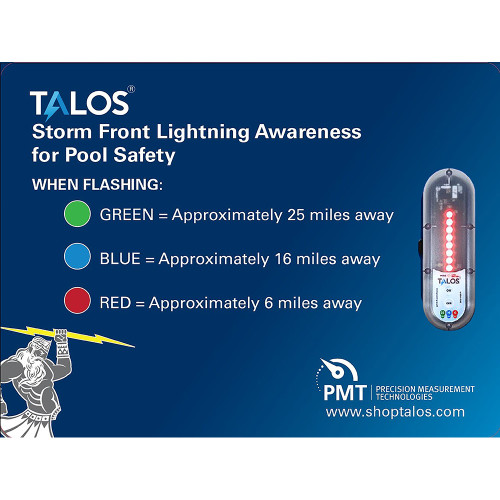
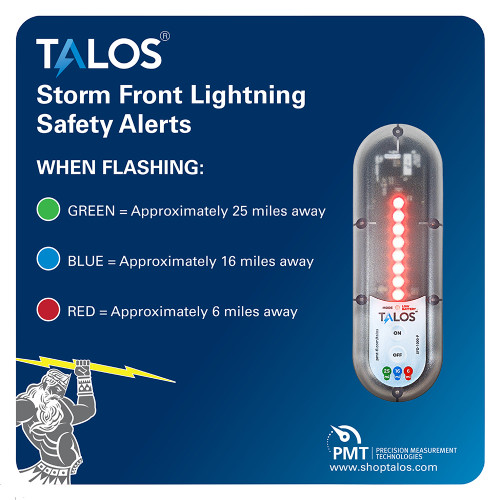
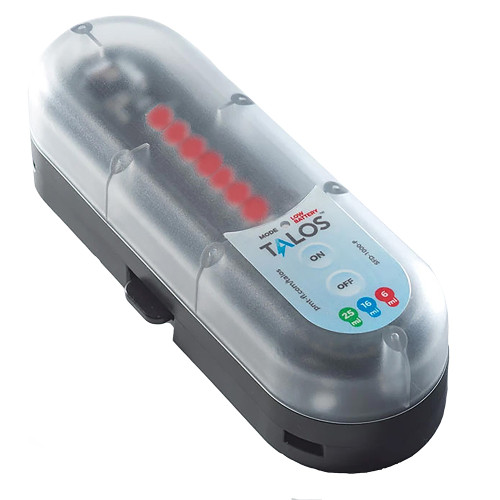
For offshore cruising or coastal excursions, proactive lightning detection is critical for vessel and crew safety. The TALOS SFD-1000-N2K provides an integrated NMEA 2000 solution, detecting both cloud-to-cloud and cloud-to-ground strikes within a 25 nautical mile radius. This plug-and-play unit requires no external power or drilling, delivering visual and audible alerts directly to your existing Multi-Function Displays (MFDs) for immediate situational awareness.
Key Features
- Seamless Integration with existing NMEA 2000 networks.
- Proactive Alerts displayed on all vessel MFD screens.
- Comprehensive Detection of both cloud-to-cloud and cloud-to-ground lightning.
- Extended Range up to 25 nautical miles for early warning.
- Dual Alerts with both visual and audible notifications.
- Effortless Setup via plug-and-play connectivity.
- No Vessel Modification required with no drilling needed for installation.
- Robust Durability with an IP67 waterproof rating.
Specifications
| Product Specifications | |
|---|---|
| NMEA 2000 Network Lightning Detector | Yes |
| Detection Range | 25 nautical miles |
| Alerts | Visual and audible |
| Lightning Detection Type | Cloud-to-cloud and cloud-to-ground |
| Connectivity | Plug-and-play |
| Waterproof Rating | IP67 |
| Power Consumption | Low |
| MPN | SFD-1000-N2K |
Who This Is For
Boaters and marine vessel owners who prioritize proactive safety by integrating advanced lightning detection into their existing NMEA 2000 network. Ideal for those seeking an unobtrusive, easy-to-install system that provides clear alerts across all vessel displays.
How It Compares
| Feature | TALOS NMEA 2000 Lightning Detector | Competitor |
|---|---|---|
| Lightning Detection Range | 25 nautical miles | Not applicable, Not applicable |
| NMEA 2000 Connectivity | Yes | Yes, Yes |
| Dedicated Lightning Detector | Yes | No, No |
| Installation Complexity | Plug-and-play, no drilling, no external power | Requires professional installation for satellite antenna and wiring, Requires NMEA 2000 network connection and power |
| Alert Type | Visual and audible alerts on MFDs | Device-specific alerts (if integrated with external sensor), AIS target alerts on MFD |
Common Concerns Answered
Is a dedicated lightning detector truly necessary if I already monitor weather on other devices?
While other weather tools offer broader forecasts, the TALOS SFD-1000-N2K provides real-time, localized lightning strike detection. This specific warning system ensures you receive immediate alerts for approaching thunderstorms, offering an unparalleled layer of safety when seconds matter on the water.
I don't encounter thunderstorms frequently. Is this product still worthwhile?
Even infrequent encounters with thunderstorms can pose significant risks. The TALOS SFD-1000-N2K offers peace of mind by providing proactive, specific alerts when lightning is detected within 25 nautical miles, regardless of your typical weather patterns.
My vessel has an older electronics system, is it compatible?
This detector is designed for seamless integration with modern NMEA 2000 networks. Compatibility with older, non-NMEA 2000 systems is not supported, as its functionality relies on direct connection to the standardized network.
Frequently Asked Questions
How does the TALOS NMEA2000 Lightning Detector alert me to lightning?
It provides both visual alerts on all connected Multi-Function Displays (MFDs) and audible alarms.
What is the detection range of the TALOS SFD-1000-N2K?
The device detects lightning strikes within a 25 nautical mile radius.
Does the TALOS lightning detector require external power?
No, it draws power directly from the NMEA 2000 network, eliminating the need for external wiring or power sources.
Can the TALOS SFD-1000-N2K detect both cloud-to-cloud and cloud-to-ground lightning?
Yes, it is engineered to detect both cloud-to-cloud and cloud-to-ground lightning discharges.
How does the TALOS lightning detector integrate with my existing NMEA 2000 network?
It features plug-and-play connectivity, allowing you to simply connect it to an available port on your existing NMEA 2000 backbone.