

Description
Tecnoseal X9AL Aluminum Shaft Anode for 2" Shafts | Boat Supply Store
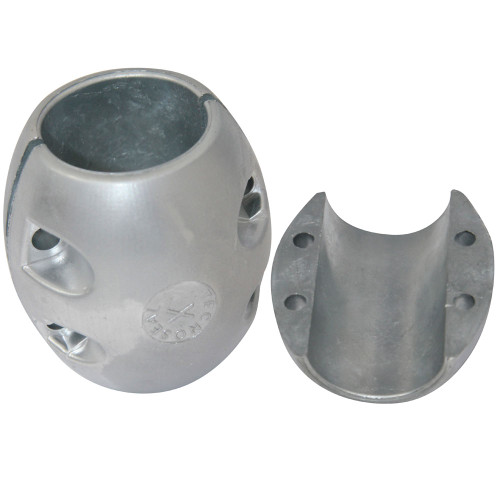
Prevent catastrophic galvanic corrosion on your vessel's propeller shaft with the Tecnoseal X9AL aluminum anode. This component is specifically engineered for 2-inch diameter shafts, utilizing a specialized aluminum alloy for superior sacrificial protection in aggressive saltwater environments. With an outer diameter of 3.02 inches and a height of 3.25 inches, it effectively degrades to shield your shaft and propeller from costly electrochemical damage, a critical consideration for any offshore fishing vessel operating in the Gulf of Mexico.
Key Features
- Protects 2" propeller shafts from galvanic corrosion
- Durable aluminum alloy construction for prolonged saltwater exposure
- Sacrificial protection mechanism extends vessel component life
- Ensures shaft and propeller integrity
- Easy secure attachment with 4 mounting holes
- Engineered for demanding marine environments
- High-performance corrosion prevention
- Reliable brand for marine outfitting
Specifications
| Product Specifications | |
|---|---|
| Shaft Diameter | 2" |
| Outer Diameter | 3.02" |
| Inner Diameter | 2" |
| Height | 3.25" |
| Weight | 0.95lbs |
| Material | Aluminum |
| Mounting Holes | 4 |
Who This Is For
Boat owners and marine mechanics requiring robust protection for propeller shafts against galvanic corrosion in saltwater conditions. Essential for maintaining the integrity of propulsion systems on all vessel types.
How It Compares
| Feature | Tecnoseal X9AL Aluminum Shaft Anode for 2" Shafts | Competitor |
|---|---|---|
| Shaft Diameter | 2" | — |
| Material | Aluminum | Aluminum |
| Outer Diameter | 3.02" | 3.03", 3.00" |
| Height | 3.25" | 3.25" |
| Number of Holes | 4 | 4 |
Common Concerns Answered
How long will this anode last?
The lifespan of any sacrificial anode is dependent on the corrosivity of the marine environment and the electrical potential of the protected metals. In highly corrosive conditions, anodes will deplete faster. Regular inspection and replacement are key to maintaining optimal protection.
Is it difficult to find the right size anode?
This Tecnoseal X9AL anode is specifically designed for 2-inch diameter propeller shafts, ensuring a precise fit. Accurate measurement of your shaft diameter is critical for selecting the correct anode to guarantee effective protection.
Will this adequately protect my shaft in harsh saltwater?
Yes, the Tecnoseal X9AL utilizes a durable aluminum alloy specifically formulated for saltwater environments, providing reliable sacrificial protection to prevent galvanic corrosion. It is designed to degrade before your shaft or propeller does.
Frequently Asked Questions
What is the purpose of a shaft anode?
A shaft anode, also known as a propeller shaft anode, is a sacrificial device designed to protect the propeller shaft and associated components from galvanic corrosion in saltwater. It is made of a metal alloy that corrodes preferentially, sacrificing itself to prevent damage to more critical and expensive parts of the propulsion system.
How often should I replace my shaft anode?
Shaft anodes should be inspected at least annually and replaced when they have corroded by approximately 50% or more. The frequency of replacement depends on factors such as water salinity, temperature, and the presence of other dissimilar metals in contact with the shaft.
What material is this shaft anode made of and why?
This shaft anode is made of aluminum. Aluminum alloys are specifically formulated for saltwater use as they provide effective sacrificial protection in this environment, corroding at a suitable rate to protect the propeller shaft and propeller.
What is the correct shaft diameter for this anode?
The Tecnoseal X9AL shaft anode is designed for a 2-inch propeller shaft diameter. It features a 2-inch inner diameter to accommodate this shaft size.
How do I install a shaft anode?
Installation involves sliding the anode onto the propeller shaft until it is positioned correctly, typically adjacent to the propeller. It is then secured using the provided mounting holes and appropriate fasteners. Care should be taken not to overtighten fasteners, as this can damage the anode or shaft.