
-
On Sale!
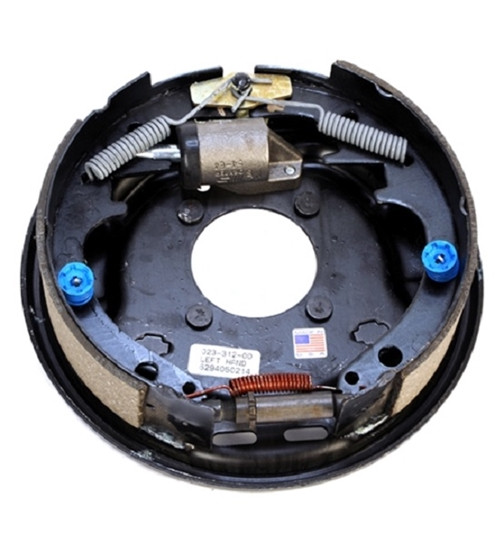
Hydr Brake Ay-Dxtr Sngl- (Wsl)
$161.99 -
On Sale!
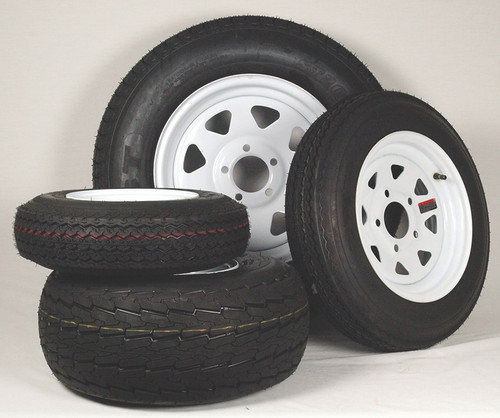
St205/75r15 5lug Radial Tire/W
$169.99 -
On Sale!

St225/75r15 5lug Radial
$175.99 -
On Sale!

S1600 Danforth Std (Wsl)
$178.99 -
On Sale!

Hub Drum Kit 865 9/16 (Wsl)
$184.99 -
On Sale!

Brake Cntrl Tekonsha Pri (Wsl)
$204.99 -
On Sale!

St225/75d15 6lug Tire/Wheel
$227.99 -
On Sale!

St225/75d15 6lug Tire/Wheel
$227.99 -
On Sale!

A-75s Brake Actr 7.5k Di (Wsl)
$378.99 -
On Sale!

Dxtr 1600psi Electric/Hy (Wsl)
$1,539.99
Trailering
Trailering equipment includes the winches, lights, rollers, bunks, tie-downs, jacks, and hardware necessary to safely transport your boat between launch sites and storage. Boat Supply Store stocks 357 trailering products across 21 brands, covering everything from basic bow stops to heavy-duty electric winches rated for vessels up to 12,000 pounds.
Choosing the Right Trailering Equipment for Your Vessel
The most common trailering failures happen at the winch and tie-down points. A winch rated too low for your boat's actual loaded weight will burn out its motor or strip gears during a single launch. Corroded trailer lights fail DOT inspections and create liability on highways. Worn rollers and bunks distribute weight incorrectly, causing hull stress fractures that cost thousands to repair. Most boaters underestimate their true trailer load because they forget to account for fuel, gear, and water in tanks when calculating capacity requirements.
Key Specifications to Evaluate
Winch capacity is the critical specification for safe boat loading. Electric winches range from 900 pounds for small runabouts to 12,000 pounds for offshore center consoles and cruisers. Always select a winch rated at least 150% of your boat's maximum loaded weight, including fuel, tackle, and all onboard equipment. Single-speed winches work for boats under 3,000 pounds, but two-speed models with power-in and free-spool modes significantly reduce loading time for heavier vessels.
Trailer lighting systems must meet both DOT highway requirements and marine corrosion standards. Sealed LED assemblies with potted circuitry resist water intrusion far better than incandescent bulbs. Submersible lights rated to IPX8 can be dunked repeatedly during launching without moisture penetration. Four-way flat connectors are standard on most boat trailers, but seven-way round connectors add brake controller compatibility for trailers over 3,000 pounds gross weight. Consider upgrading your trailer's electrical system to include separate ground wires rather than relying on frame grounding, which fails in corrosive environments.
Rollers and bunks require different materials based on hull type and weight. Hard rubber keel rollers suit V-hull designs and provide precise alignment during loading. Carpeted bunks distribute weight across the hull bottom and work better for flat-bottomed boats and pontoons. Premium rollers use sealed ball bearings rather than bushings, reducing friction and extending service life in saltwater applications. Polyurethane rollers outlast rubber by three to five years but cost 40% more upfront.
Galvanized hardware resists corrosion better than zinc-plated steel, but stainless steel fasteners are mandatory for trailers regularly submerged in saltwater. Safety chains must be Grade 43 or higher with working load limits matching your trailer's gross weight. Trailer jacks should be rated 50% above your trailer's tongue weight, and swivel models make positioning easier in tight launch ramp situations.
Trailer Component Sizing by Boat Weight
| Boat Weight (Loaded) | Minimum Winch Capacity | Safety Chain WLL | Jack Capacity | Recommended Roller Count |
|---|---|---|---|---|
| Up to 2,000 lbs | 900–1,500 lbs | 2,000 lbs | 1,000 lbs | 6–8 rollers |
| 2,000–4,000 lbs | 2,500–3,500 lbs | 3,500 lbs | 1,500 lbs | 8–10 rollers |
| 4,000–6,500 lbs | 5,000–6,000 lbs | 5,000 lbs | 2,000 lbs | 10–14 rollers |
| 6,500–10,000 lbs | 8,000–10,000 lbs | 7,000 lbs | 2,500 lbs | 14–18 rollers |
| Over 10,000 lbs | 12,000+ lbs | 10,000 lbs | 3,500 lbs | 18+ rollers |
Price Guide: What to Expect at Each Budget Level
Budget tier: $8.99–$45.00 — Individual rollers, basic bow stops, manual winch straps, and replacement lights. These components work well for maintaining existing trailers or replacing worn parts on boats under 2,500 pounds. Expect zinc-plated hardware and standard rubber rollers without sealed bearings.
Mid-range tier: $45.00–$200.00 — Complete manual winch assemblies, LED submersible light kits, carpeted bunk boards, and premium roller sets with sealed bearings. This tier includes C.E. Smith's most popular products and covers 70% of typical trailering needs for boats from 18 to 24 feet. Components feature galvanized construction and three to five-year warranties.
Premium tier: $200.00–$912.99 — Electric winches like the Powerwinch 915, hydraulic surge brake actuators, aluminum step pads, and stainless steel hardware kits. Built for boats over 26 feet or frequent launching in saltwater environments. Premium models include remote controls, circuit protection, and lifetime warranties on structural components.
How the Top Trailering Products Compare
| Feature | Powerwinch 915 Trailer Winch |
|---|---|
| Winch Type | Electric with remote |
| Rated Capacity | 9,000 lbs single line / 18,000 lbs double line |
| Motor Type | 12V permanent magnet with automatic brake |
| Gear Ratio | 5.2:1 planetary gearbox |
| Best For | Center consoles, cruisers, and offshore boats 28–35 feet |
Our Top Picks for Trailering
These products represent proven performance across different boat types and launching conditions, selected for reliability and value.
Powerwinch 915 Trailer Winch
Powerwinch | $912.99
This two-speed electric winch delivers 9,000-pound single-line capacity with wireless remote operation for one-person launching of boats up to 35 feet.
- Planetary gearbox provides 5.2:1 reduction for smooth power delivery under maximum load, preventing shock loading that damages hull eyes and bow rollers
Trusted Trailering Brands We Carry
C.E. Smith dominates the aftermarket trailer component industry with 130 products in our inventory, ranging from individual rollers to complete bunk and roller kits. Their Guide-Ons and Ribbed Roller systems have become OEM standards on major trailer manufacturers. Powerwinch specializes in electric winch technology and holds patents on automatic load-holding brake systems that prevent cable backlash. Fulton and Reese supply heavy-duty trailer jacks and couplers engineered to NATM specifications, while Optronics and Blazer lead in DOT-compliant LED lighting systems with five-year warranty coverage against water intrusion.
Frequently Asked Questions
What winch capacity do I need for my boat?
Calculate your boat's true loaded weight by adding the dry hull weight, engine, fuel at full capacity (six pounds per gallon), batteries, gear, and any water in holding tanks. Multiply this total by 1.5 to determine minimum winch capacity. For example, a 22-foot bowrider with a dry weight of 2,800 pounds, 50-gallon fuel tank, and 300 pounds of gear totals 3,400 pounds loaded, requiring a winch rated for at least 5,100 pounds. The safety margin accounts for increased friction when pulling boats uphill on steep ramps or in windy conditions.
Can I use regular automotive lights on my boat trailer?
Standard automotive tail lights fail quickly on boat trailers because they lack sealed housings that prevent water intrusion during repeated submersion. Marine trailer lights must meet DOT FMVSS 108 standards and carry submersible ratings of IPX7 (temporary immersion) or IPX8 (continuous submersion). LED assemblies with potted circuitry last three to five times longer than incandescent bulbs and draw less current, reducing electrical system load. Most states require functioning brake lights, turn signals, and side marker lights on trailers over 80 inches wide.
How often should I replace trailer rollers?
Inspect rollers every six months for flat spots, cracks, or seized bearings. Hard rubber rollers typically last three to five years with freshwater use, but saltwater exposure reduces lifespan to two to three years. Rollers that no longer spin freely create friction that makes loading difficult and can gouge gel coat. Replace any roller showing visible cracking or hardening, as degraded rubber loses cushioning properties and concentrates weight on small contact patches. Polyurethane rollers resist UV damage better than rubber and last 40% longer but cost more initially.
What's the difference between galvanized and stainless steel trailer hardware?
Hot-dipped galvanized steel receives a zinc coating that sacrificially corrodes before the base metal, providing good protection in freshwater and occasional saltwater use. Stainless steel 304 or 316 resists corrosion through chromium content rather than coating, making it superior for trailers regularly submerged in saltwater. Grade 316 stainless contains molybdenum for enhanced chloride resistance and is recommended for coastal applications. Galvanized hardware costs 60% less than stainless but requires replacement every five to seven years in saltwater environments, while stainless fasteners can last the life of the trailer. Never mix stainless and galvanized fasteners in the same assembly, as galvanic corrosion accelerates deterioration of the galvanized component.
Do I need brakes on my boat trailer?
Most states require brakes on trailers exceeding 3,000 pounds gross weight, though some set the threshold at 1,500 or 2,000 pounds. Surge brakes activate hydraulically when the tow vehicle decelerates, using a master cylinder in the trailer coupler to apply pressure to wheel cylinders. Electric brakes require a brake controller in the tow vehicle and offer adjustable gain for different load conditions. Calculate gross trailer weight by adding your boat's loaded weight to the trailer's empty weight. For trailers near the legal threshold, brakes significantly improve stopping distance and control, especially on mountain roads or in emergency situations. All brake systems require annual inspection and fluid changes to maintain proper function.
Need help selecting the right trailering equipment for your vessel? Contact our technical support team for a free system review — we'll help you spec the right components for your boat's requirements.