

Description
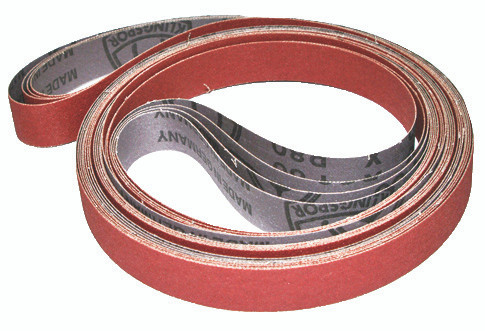
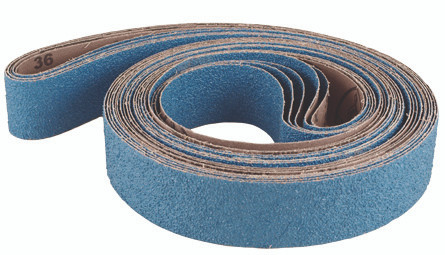
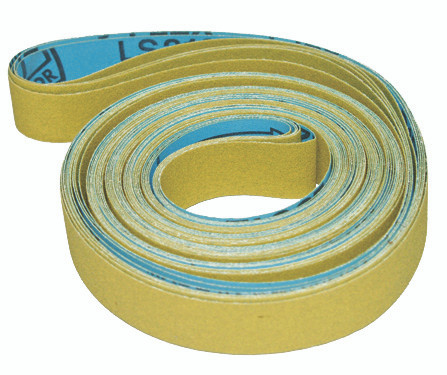
1 1/2" x 132" 60 Grit Sanding Belts (10/Pk) | Boat Supply Store
Achieve a smooth, prepared surface for marine coatings with these 1 1/2" x 132" 60 grit sanding belts. Engineered for aggressive material removal, they are ideal for prepping fiberglass hulls prior to gelcoat application or for refining metal components on board. The durable construction ensures consistent performance across demanding marine environments, such as coastal cruising in the Gulf of Mexico.
Key Features
- Aggressively removes material with 60 grit abrasive.
- Ideal for hull preparation and metal finishing.
- Durable construction for extended use.
- Precisely sized at 1 1/2" x 132".
- Pack of 10 belts for multiple projects.
- Ensures smooth surfaces for optimal coating adhesion.
- Reliable performance in marine conditions.
- Designed for professional results in boatyard applications.
Specifications
| Product Specifications | |
|---|---|
| grit_size | 60 |
| belt_width | 1 1/2 inches |
| belt_length | 132 inches |
| quantity_per_pack | 10 |
Who This Is For
Professional marine technicians and dedicated DIY boat owners requiring high-performance abrasives for hull refinishing and component preparation. Ideal for those undertaking significant fiberglass repair or metal fabrication projects on vessels.
How It Compares
| Feature | 1 1/2" x 132" 60 Grit Sanding Belts (10/Pk) | Generic Abrasives |
|---|---|---|
| Grit Size | 60 | 60 |
| Belt Width | 1 1/2 inches | 1 1/2 inches |
| Belt Length | 132 inches | — |
| Quantity Per Pack | 10 | 10 |
Common Concerns Answered
Will these belts clog quickly on fiberglass resin?
The 60 grit size is designed for aggressive removal, and while resin can cause loading, the open-coat construction of similar high-quality belts helps to minimize clogging compared to closed-coat abrasives, allowing for extended operational life.
Are these belts suitable for wet sanding applications?
While primarily designed for dry sanding, these belts can tolerate some moisture. For continuous wet sanding, specific waterproof belts are recommended, but these will perform adequately for occasional water use during preparation.
How many belts should I expect to use for a typical hull repair?
The number of belts needed varies greatly depending on the extent of the damage and the material being removed. For moderate repairs on a single hull section, a single belt might suffice, but it's advisable to have the full pack on hand for larger projects or unexpected wear.
Frequently Asked Questions
What type of sander uses a 1 1/2" x 132" belt?
This belt size is commonly used on 1 1/2" belt sanders, often found in workshops for detailed finishing tasks on metal and wood, as well as for marine component refinement.
What is the primary application for 60 grit abrasives in a marine setting?
60 grit is ideal for heavy material removal, such as stripping old paint, shaping fiberglass, or preparing rough surfaces for subsequent finer grits during hull repair or refinishing.
Can these belts be used on metal surfaces?
Yes, these belts are effective for removing rust, scale, and preparing metal components for welding, painting, or polishing on marine vessels.
What is the benefit of buying a 10-pack?
Purchasing in a 10-pack ensures you have an adequate supply for multiple projects or for tackling extensive repairs without interruption, offering a cost-effective solution for ongoing maintenance.
How does the 60 grit rating compare to finer grits?
A 60 grit rating is considered coarse. It is designed for rapid material removal. For smoother finishes, progressively higher grit numbers (e.g., 80, 120, 220) are required to refine the surface.