

Description
13.25x17 A3r Yanta Semi Cleavr Prop | Boat Supply Store
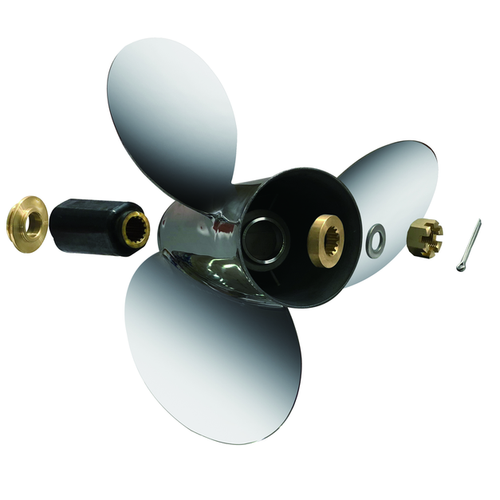
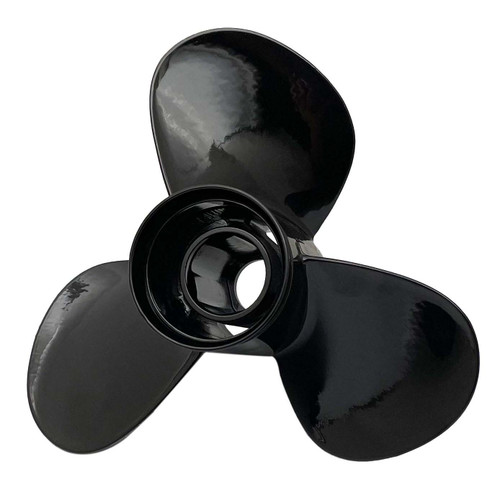
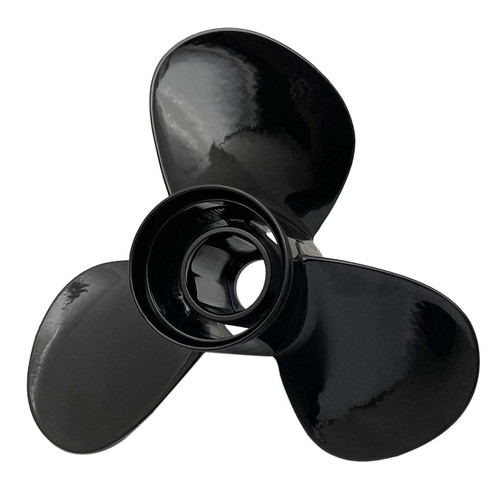
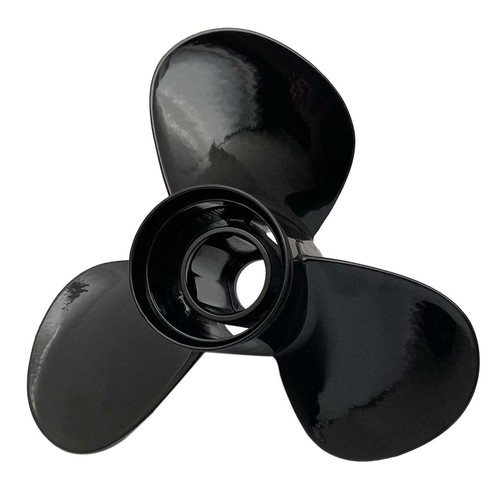
This 13.25-inch diameter by 17-inch pitch A3r Yanta Semi Cleavr propeller from Polaris Propeller USA is engineered for optimized planing performance on a variety of outboard-powered vessels. Its design promotes efficient transfer of power, reducing slip and improving acceleration crucial for watersports or navigating shallow Texas bays. The durable aluminum construction ensures longevity in saltwater and freshwater environments, making it suitable for recreational fishing or cruising applications.
Key Features
- Optimized for Planing: A3r Yanta Semi Cleavr blade design enhances lift for faster hole shots.
- Efficient Power Transfer: Precisely engineered pitch reduces engine load and fuel consumption.
- Durable Aluminum Construction: Resists corrosion for extended service life in marine conditions.
- 13.25-inch Diameter: Suitable for a wide range of outboard engine applications.
- 17-inch Pitch: Balances top-end speed with mid-range acceleration.
- Semi-Cleaver Blade Design: Aids in water evacuation for improved grip and efficiency.
- Direct Replacement Fitment: Designed to integrate seamlessly with compatible outboard engines.
- Reliable Brand Origin: Manufactured by POLARIS PROPELLER USA, INC. for assured quality.
Specifications
| Product Specifications | |
|---|---|
| Diameter | 13.25 inches |
| Pitch | 17 inches |
| Blade Count | 3 |
| Material | Aluminum |
| Rotation | Right-Hand |
| Propeller Series | A3r Yanta Semi Cleavr |
| Brand | POLARIS PROPELLER USA, INC. |
Who This Is For
This propeller is ideal for owners of outboard-powered boats seeking to improve planing capabilities and fuel efficiency. It is particularly well-suited for those who frequently engage in activities requiring strong acceleration or operate in varying water depths.
How It Compares
| Feature | 13.25x17 A3r Yanta Semi Cleavr Prop | Mercury Marine |
|---|---|---|
| Diameter | 13.25 inches | 13.00 inches |
| Pitch | 17 inches | — |
| Blade Count | 3 | 3 |
| Material | Aluminum | Aluminum |
Common Concerns Answered
Will this propeller fit my outboard engine?
This propeller is designed for specific outboard engine models. Verify your engine's spline count and shaft size against the fitment data to ensure compatibility. Consulting your engine's manual or our fitment guide is recommended.
How durable is an aluminum propeller in saltwater?
While aluminum propellers offer excellent performance, they can be susceptible to corrosion in saltwater. Regular rinsing with fresh water after use and proper maintenance will significantly extend the lifespan of this propeller.
What is the difference between a semi-cleaver and a traditional propeller?
The semi-cleaver design features modified blade edges that reduce drag and improve water flow, particularly at higher speeds. This often translates to better acceleration and overall efficiency compared to standard-shaped blades.
Frequently Asked Questions
What is the recommended RPM range for this propeller?
The optimal RPM range for this 13.25x17 propeller is dependent on your specific outboard engine's horsepower and gear ratio. Consult your engine's performance chart for the ideal wide-open throttle (WOT) RPM.
Does the 'A3r' designation signify anything specific?
The 'A3r' designation typically refers to the propeller series or casting mold used by the manufacturer, indicating a specific design family or manufacturing standard for Polaris Propellers.
What is the benefit of a semi-cleaver blade for planing?
The semi-cleaver blade design enhances water grip and reduces ventilation, allowing the boat to get on plane more quickly and efficiently. This is crucial for boats used for watersports or rapid maneuvering.
Can this propeller be used on a transom-mounted trolling motor?
This propeller is primarily designed for primary outboard propulsion systems. Its diameter and pitch are generally not suited for the lower unit of most electric trolling motors.
How does pitch affect boat performance?
A 17-inch pitch means the propeller travels 17 inches forward for every full rotation. A higher pitch generally increases top-end speed but may reduce acceleration, while a lower pitch improves acceleration at the expense of top speed.