

Description
14 1/4x16 Plx S3r Prop for 115hp | Boat Supply Store
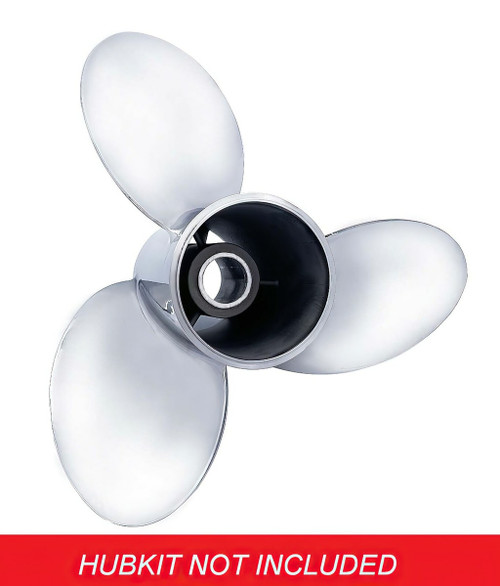
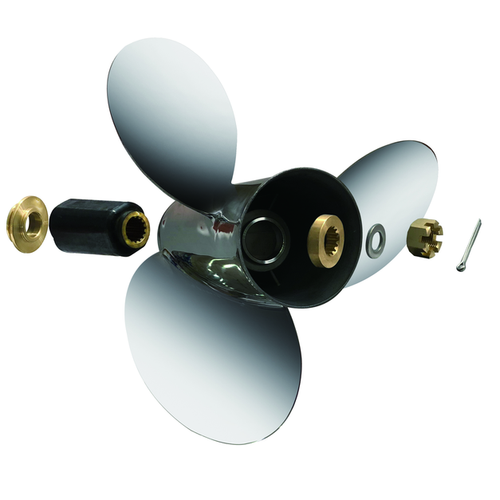
Achieve optimal acceleration and improved fuel efficiency for your 115hp outboard with this 14 1/4 x 16 PLX S3R propeller. Engineered with a cupped blade design, this propeller generates significant lift, reducing cavitation and enhancing hole shot performance crucial for waterskiing or pulling tubers. Its robust aluminum construction ensures durability for consistent operation in various marine environments, from the shallow flats of Galveston Bay to the open waters of the Gulf.
Key Features
- Enhanced Acceleration for quicker planing and superior hole shot.
- Improved Fuel Efficiency through optimized blade design and pitch.
- Reduced Cavitation via advanced cupped blade geometry.
- Durable Aluminum Construction for long-lasting marine service.
- Precision Fitment for 115hp outboard applications.
- Corrosion Resistant Finish for extended saltwater life.
- Optimized for Lift to get your vessel on plane faster.
- Engineered for Performance across a wide RPM range.
Specifications
| Product Specifications | |
|---|---|
| diameter | 14 1/4" |
| pitch | 16" |
| material | Aluminum |
| blade_count | 3 |
| series | PLX S3R |
Who This Is For
Boaters seeking to maximize hole shot and top-end speed on their 115hp outboard. This propeller is ideal for owners of smaller aluminum boats, bay boats, or bass boats looking for a performance upgrade.
How It Compares
| Feature | 14 1/4x16 Plx S3r Prop for 115hp | Another Manufacturer |
|---|---|---|
| Diameter | 14 1/4" | — |
| Pitch | 16" | — |
| Blade Count | 3 | 3 |
| Material | Aluminum | Aluminum |
| Series | PLX S3R | Typically less capable |
Common Concerns Answered
Will this propeller fit my specific 115hp outboard engine?
This propeller is engineered for 115hp applications. Always verify your engine's specific propeller shaft spline count and gearcase for absolute compatibility. Consult your outboard's service manual or BoatSupplyStore.com's fitment guide.
How does the PLX S3R series differ from other Polaris propellers?
The PLX S3R series is characterized by its advanced blade geometry, including significant cupping, which is specifically designed to reduce slip, improve acceleration, and enhance overall engine efficiency.
Is aluminum the best material for this propeller size and pitch?
For 115hp applications, aluminum offers an excellent balance of durability, weight, and cost-effectiveness. It provides sufficient strength for robust performance while being less prone to damage from underwater strikes than stainless steel, making it ideal for varied boating conditions.
Frequently Asked Questions
What is the primary benefit of the 14 1/4 x 16 size?
The 14 1/4 inch diameter provides excellent blade area for grip, while the 16 inch pitch is optimal for maximizing acceleration and maintaining efficient cruising speeds on many 115hp outboards, particularly those used for watersports or heavier loads.
How does the cupped blade design impact performance?
The cupped edges of the blade create a vacuum effect at the trailing edge, forcing water to flow more efficiently around the blade. This increases thrust, reduces ventilation and cavitation, and provides a better grip on the water, leading to improved hole shot and higher sustained RPMs.
What RPM range is this propeller typically suited for?
This 14 1/4x16 PLX S3R propeller is generally designed to bring a properly matched 115hp outboard to its recommended wide-open throttle (WOT) RPM range, typically between 5000-6000 RPM, depending on the specific engine model and boat hull.
Can this propeller be used in saltwater environments?
Yes, this propeller is constructed from durable aluminum with a protective coating designed to resist corrosion, making it suitable for use in saltwater environments. Regular rinsing after use is recommended for optimal longevity.
What is the recommended horsepower range for this propeller?
This propeller is specifically listed as being optimized for 115 horsepower outboard engines. Using it on significantly higher or lower horsepower engines may result in suboptimal performance and potential engine strain.