

Description
Volvo Penta 14 X 19 A3l Prop Short Hub | Boat Supply Store
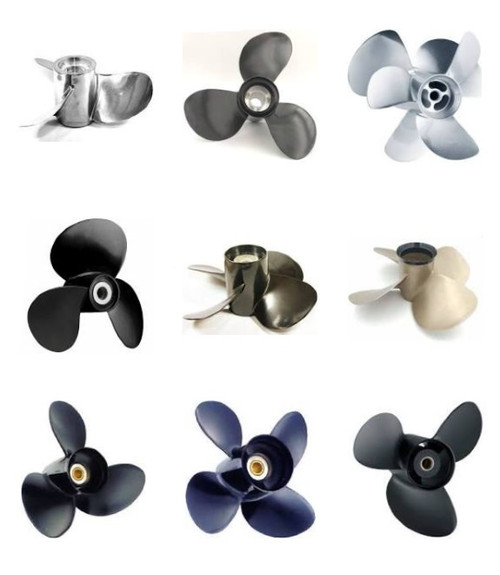
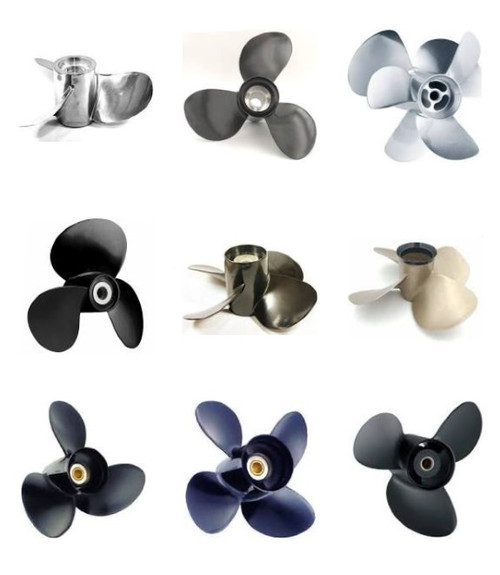
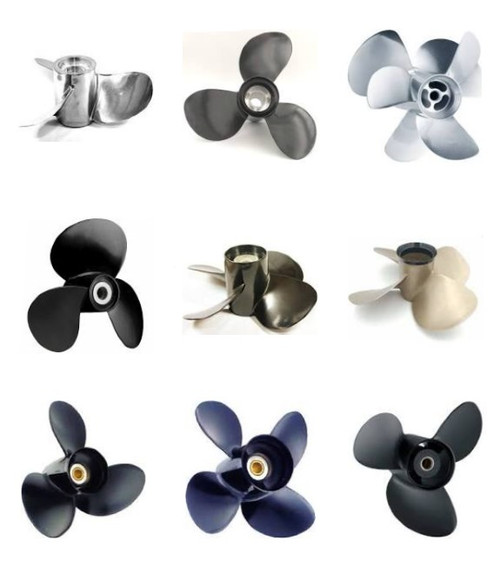
Achieve enhanced acceleration and top-end speed with this Volvo Penta 14 x 19 A3l propeller, engineered with a short hub design to minimize drag and improve fluid dynamics. Its precise 14-inch diameter and 19-inch pitch are optimized for efficient power transfer, particularly beneficial for lighter planing hulls in coastal cruising applications. This propeller's robust construction ensures durability for demanding marine environments.
Key Features
- Optimized performance with 14-inch diameter and 19-inch pitch
- Efficient acceleration due to short hub design
- Durable construction for extended marine use
- Reduced drag for improved top-end speed
- Precise power transfer from engine to water
- Engineered for specific Volvo Penta applications
- Enhanced fuel efficiency in optimal operating range
- Reliable operation in varied water conditions
Specifications
| Product Specifications | |
|---|---|
| Diameter | 14 inches |
| Pitch | 19 inches |
| Hub Type | Short Hub |
| Material | Aluminum Alloy (A3l designation implies specific alloy composition) |
Who This Is For
This propeller is designed for Volvo Penta owners seeking to fine-tune engine performance for improved planing and cruising speeds. It is an ideal upgrade for boaters who prioritize efficient power delivery in typical nearshore and bay environments.
How It Compares
| Feature | Volvo Penta 14 X 19 A3l Prop Short Hub | Mercury Marine |
|---|---|---|
| Diameter | 14 inches | 14.5 inches |
| Pitch | 19 inches | — |
| Hub Type | Short Hub | Standard Hub |
| Material | Aluminum Alloy | Aluminum |
Common Concerns Answered
Will this propeller fit my specific Volvo Penta engine model?
The fitment of this 14 x 19 A3l short hub propeller is specific to certain Volvo Penta engine models. Always verify compatibility using your engine's serial number and referencing the manufacturer's recommended propeller specifications or consulting with a marine specialist.
What is the difference between a short hub and a standard hub propeller?
A short hub propeller typically has a reduced hub length, which can lead to less drag and improved water flow around the propeller. This design is often chosen for performance enhancements in specific engine and hull combinations.
How does the 19-inch pitch affect my boat's performance?
A 19-inch pitch is generally considered a mid-range pitch that offers a balance between acceleration and top-end speed. For a 14-inch diameter, this pitch is well-suited for boats that require efficient planing and good cruising velocity.
Frequently Asked Questions
What is the recommended material for marine propellers?
Aluminum alloy propellers, like this A3l designation, are common for their balance of cost, durability, and performance. Stainless steel propellers offer superior strength and corrosion resistance but at a higher price point.
How do I determine the correct propeller size for my boat?
Propeller selection depends on engine horsepower, gear ratio, hull type, and desired performance characteristics (e.g., acceleration, top speed, fuel efficiency). Consult your boat's manual or a marine professional for precise recommendations.
What does 'A3l' signify in propeller terminology?
The 'A3l' designation typically refers to a specific aluminum alloy composition and potentially a proprietary manufacturing process used by the brand. It indicates a formulation designed for marine propeller applications, often with enhanced strength or corrosion resistance.
Can I use a propeller with a different pitch than the original?
Changing propeller pitch can significantly alter performance. A higher pitch increases top speed but reduces acceleration, while a lower pitch improves acceleration at the cost of top speed. Ensure the new pitch is appropriate for your engine's power band and operational needs.
What is the primary advantage of a short hub propeller for a Volvo Penta?
For Volvo Penta applications, a short hub propeller can offer improved hydrodynamic efficiency by allowing cleaner water flow to the propeller blades. This often translates to better acceleration and potentially higher top-end speeds.