

Description
14x23 Propeller for Polaris Engines | Boat Supply Store
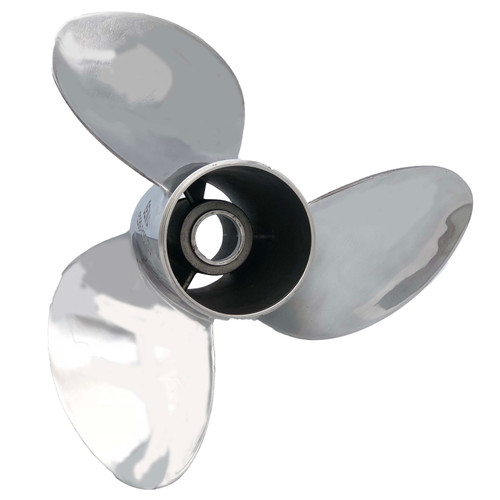
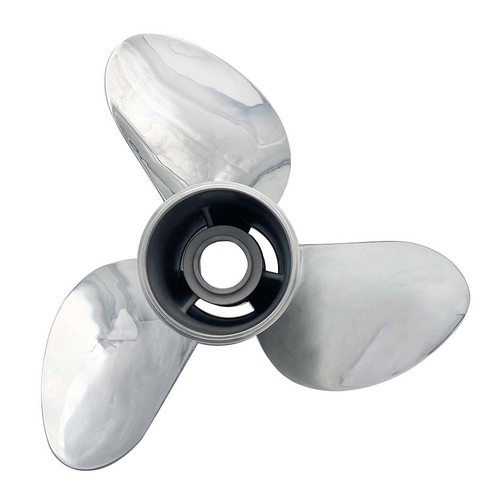
This 3-blade S3r aluminum propeller is engineered to optimize power transfer from Polaris engines, particularly for vessels operating at lower to mid-range RPMs. Its 14-inch diameter and 23-inch pitch are precisely matched to deliver efficient thrust, improving planing performance for boats up to 21 feet. Utilize this propeller for reliable operation during light tackle fishing excursions on Lake Conroe or general cruising across coastal waters.
Key Features
- Engineered for optimal power transfer in lower RPM ranges.
- Durable aluminum construction for extended marine use.
- 3-blade design enhances hole-shot and mid-range acceleration.
- 14-inch diameter ensures broad applicability.
- 23-inch pitch delivers efficient cruising speed.
- S3r series blade geometry for improved hydrodynamic efficiency.
- Direct fit replacement for specified Polaris engine models.
- Corrosion-resistant finish for saltwater and freshwater environments.
Specifications
| Product Specifications | |
|---|---|
| Blade Count | 3 |
| Diameter | 14 inches |
| Pitch | 23 inches |
| Material | Aluminum |
| Series | S3r |
Who This Is For
This propeller is designed for boaters operating Polaris outboard engines who require optimized performance for lighter loads and mid-range cruising. It is an ideal choice for owners of smaller to medium-sized vessels seeking to enhance their boat's acceleration and fuel efficiency in typical recreational boating scenarios.
How It Compares
| Feature | 14x23 Propeller for Polaris Engines | Yamaha |
|---|---|---|
| Blade Count | 3 | 3 |
| Diameter | 14 inches | — |
| Pitch | 23 inches | — |
| Material | Aluminum | Aluminum |
Common Concerns Answered
Will this propeller fit my specific Polaris engine?
This 14x23 S3r propeller is designed for compatibility with a range of Polaris outboard engines. Always verify your engine's specific propeller requirements against the stated diameter and pitch to ensure proper fitment and optimal performance.
How does an aluminum propeller compare to stainless steel?
Aluminum propellers offer a cost-effective solution for many applications and are lighter than stainless steel. While less resistant to impact damage, they are a suitable choice for general recreational boating and provide good performance for their price point.
What is the significance of the 'S3r' designation?
The 'S3r' designation typically refers to a specific blade design geometry within the POLARIS PROPELLER USA, INC. line. This series is engineered for improved hydrodynamic efficiency, contributing to better thrust and performance characteristics.
Frequently Asked Questions
What is the recommended application for a 14x23 pitch propeller?
A 14x23 pitch propeller is generally recommended for boats that operate efficiently at higher speeds and can plane quickly. It provides a good balance for cruising and maintaining speed, particularly with engines that produce sufficient torque.
How do I determine the correct propeller size for my boat?
Consult your boat's owner's manual or the outboard motor manufacturer's specifications. Key factors include engine horsepower, boat weight, hull design, and desired performance characteristics (e.g., top speed vs. hole-shot acceleration).
Can this propeller be used in saltwater environments?
Yes, this aluminum propeller is constructed with materials and finishes designed to withstand saltwater exposure. Regular rinsing with freshwater after use is recommended to maintain its longevity and prevent corrosion.
What is the primary advantage of a 3-blade propeller?
A 3-blade propeller typically offers a good compromise between acceleration (hole-shot) and top-end speed. It is the most common configuration for a wide variety of boat types and engine applications due to its balanced performance characteristics.
What is the expected performance difference between this propeller and a propeller with a different pitch?
Increasing the pitch (e.g., to 25 inches) will generally increase top-end speed but may reduce acceleration and strain the engine if it is not powerful enough. Decreasing the pitch (e.g., to 21 inches) will improve acceleration and load-carrying capacity but reduce top-end speed.