

Description
Analytic Systems 2-Bank 20A 12V Marine Battery Charger | Boat Supply Store
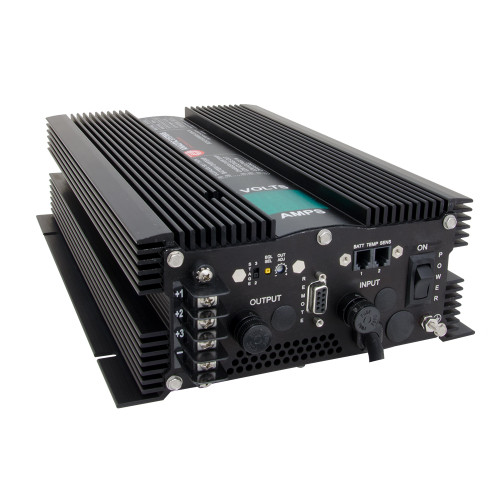
This Analytic Systems 2-Bank AC Charger is engineered to provide consistent and reliable power management for demanding marine electrical systems. Delivering a robust 300-watt charging capacity, it features advanced 2/3-stage charging profiles and user-selectable equalization modes to ensure optimal battery health and longevity. With integrated temperature compensation and a clear digital volt/amp meter, this charger is ideal for maintaining 12V battery banks on offshore fishing vessels or cruising yachts operating in fluctuating ambient conditions.
Key Features
- 300 Watts Charging Power for efficient battery replenishment
- Two-Bank Charging capability for independent battery management
- 20A Output Per Bank ensures rapid charging cycles
- Digital Volt/Amp Meter provides real-time system diagnostics
- Temperature Compensation adjusts charge rate based on ambient temperature
- User-Initiated Equalization mode for deep cycle battery maintenance
- Low EMI design minimizes electrical interference
- Three-Year Parts and Labor Warranty for peace of mind
Specifications
| Product Specifications | |
|---|---|
| Analytic Systems AC Charger | 2-Bank |
| Output | 20A |
| DC Output Voltage | 12V |
| AC Input Voltage | 110VAC |
| Charging Power | 300W |
| Digital Volt/Amp Meter | Yes |
| Temperature Compensation | Yes |
| Manual Equalization | Yes |
| Charging Profile | 2/3-stage |
| Adjustable Float Voltage | Yes |
| Low EMI | Yes |
| Warranty | 3-year |
Who This Is For
Marine enthusiasts and boat owners requiring a dependable charging solution for their 12V battery systems will benefit from its advanced features. Fleet managers seeking reliable and versatile battery maintenance tools will also find this charger a valuable asset.
How It Compares
| Feature | Analytic Systems 2-Bank 20A 12V Marine Battery Charger | Competitor |
|---|---|---|
| Number of Banks | 2 | 2, 1 |
| Output Current per Bank | 20A | 20A, 20A |
| DC Output Voltage | 12V | 12V, 12V |
| AC Input Voltage | 110VAC | 110-240VAC, 180-265VAC |
| Charging Profile Stages | 2 or 3 | 5, Adaptive 6 |
| Temperature Compensation | Yes | Yes, Yes |
| Digital Volt/Amp Meter | Yes | No (standard), No |
| Warranty | 3-year parts and labor | 2-year limited, 5-year |
Common Concerns Answered
Is the 2-stage or 3-stage charging profile sufficient for modern batteries?
While some newer chargers offer more stages, the 2/3-stage charging profile with manual equalization, temperature compensation, and adjustable float voltage effectively maintains battery health for most 12V marine applications. The digital meter provides critical feedback to ensure optimal charging.
Will this charger work outside of North America due to the 110VAC input?
This model is specifically designed for 110VAC input and may not be suitable for regions with different standard voltages. Consider an international voltage compatible charger if you operate in such areas.
What is the total output if I need to charge two banks simultaneously?
The charger provides 20A output per bank, meaning each battery bank receives up to 20A. The total output is distributed across the banks as needed by the batteries, up to the charger's capacity.
Frequently Asked Questions
What is the maximum charging current per bank for the Analytic Systems AC Charger 2-Bank 20A?
The charger provides a maximum charging current of 20A per bank.
Can this charger be used with different battery types?
This charger is designed for 12V lead-acid batteries. Refer to the manual for specific compatibility details, especially if using AGM or Gel types.
Does the Analytic Systems AC Charger 2-Bank 20A have temperature compensation?
Yes, this charger features built-in temperature compensation to optimize charging in varying ambient temperatures.
What is the warranty period for this charger?
The Analytic Systems AC Charger comes with a comprehensive three-year parts and labor warranty.
What AC input voltages are supported by this charger?
This specific model supports a 110VAC input voltage.
