

Description
Ancor 16-14 AWG Heat Shrink Butt Connectors (250ct) | Boat Supply Store
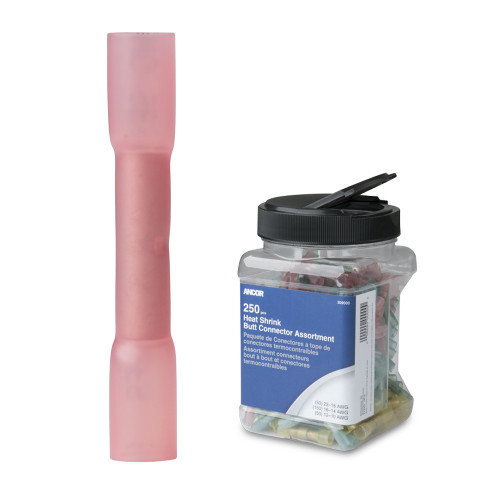
Address critical electrical continuity in marine vessels with the Ancor 16-14 AWG Heat Shrink Butt Connector jar, a bulk solution for demanding applications. These connectors are engineered for 16-14 AWG wire, offering robust insulation and strain relief via their integrated heat shrink tubing, exceeding USCG requirements. This 250-piece collection ensures reliable splices for power distribution systems on offshore fishing platforms or coastal cruising yachts.
Key Features
- Reliable 16-14 AWG wire compatibility for critical connections
- Durable heat shrink tubing provides superior insulation and strain relief
- Convenient 250-piece count for high-volume marine electrical projects
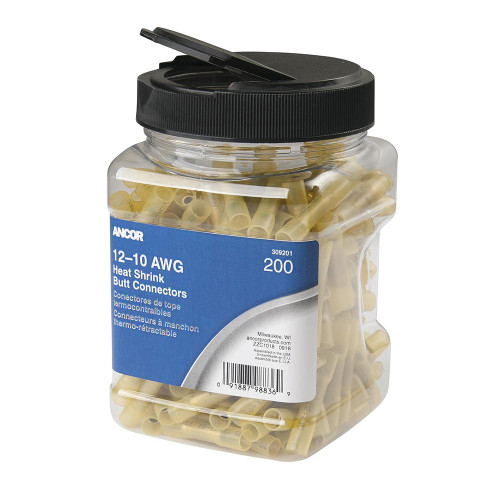
- Organized storage in a reusable clear jar with an easy-access flip lid
- UL Listed for assured safety and compliance in marine environments
- Cost-effective bulk packaging offers superior value per unit
- Professional grade for demanding offshore and coastal applications
- Quick Identification via clear jar facilitates efficient inventory management
Specifications
| Product Specifications | |
|---|---|
| Wire Gauge | 16-14 AWG |
| Quantity | 250-piece |
| Packaging | Reusable clear jar with flip lid |
| Certifications | UL Listed |
Who This Is For
Marine electricians and serious boat owners performing extensive electrical system maintenance or upgrades. DIY boat repair enthusiasts requiring a substantial supply of high-quality, reliable connectors for ongoing projects.
How It Compares
| Feature | Ancor 16-14 AWG Heat Shrink Butt Connectors (250ct) | Competitor |
|---|---|---|
| Wire Gauge | 16-14 AWG | 16-14 AWG |
| Quantity per Package | 250 | 10 |
| Packaging | Reusable clear jar with flip lid | Plastic bag |
Common Concerns Answered
Is this jar of connectors cost-prohibitive for a small repair?
While the initial investment for a 250-piece jar may appear higher than smaller packs, the cost per unit is significantly lower, offering superior long-term value for boaters with ongoing electrical needs or multiple projects. The organized storage also prevents loss and ensures you have the necessary components readily available.
I've had issues with crimps not holding. What's the solution?
Achieving a secure crimp relies on using the correct marine-grade crimping tool specifically designed for the connector and wire gauge. Ensure the wire is fully inserted into the barrel before crimping. Overheating the heat shrink can also degrade the connection; use a controlled heat source like a heat gun on a medium setting.
Are these connectors truly reliable for harsh marine environments?
Ancor products are engineered for marine applications, and these heat shrink butt connectors are UL Listed, signifying adherence to rigorous safety and performance standards. The heat shrink tubing creates a sealed, insulated connection that resists corrosion and vibration, critical factors for offshore and coastal vessel integrity.
Frequently Asked Questions
What wire gauge is compatible with these Ancor heat shrink butt connectors?
These Ancor connectors are specifically designed for use with 16-14 AWG (American Wire Gauge) wire.
How many connectors are included in the Ancor 309101 jar?
The Ancor 309101 SKU contains a total of 250 heat shrink butt connectors.
What is the purpose of the heat shrink tubing on these connectors?
The heat shrink tubing serves a dual purpose: it provides electrical insulation to prevent short circuits and forms a protective, strain-relieving seal over the crimped connection, enhancing its durability and resistance to moisture intrusion.
Are these Ancor connectors reusable after crimping?
Once properly crimped and heat shrunk, these butt connectors are intended for permanent installation and are not designed to be reused.
What is the primary application for these heat shrink butt connectors?
These connectors are primarily used for making insulated, reliable splices and extensions of electrical wires within marine electrical systems, suitable for power, lighting, and accessory circuits.