
Description
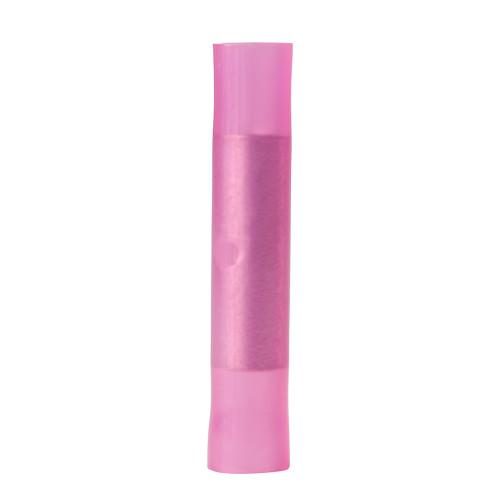
Ancor 22-18 AWG Nylon Crimp Butt Connectors (100pk) | Boat Supply Store
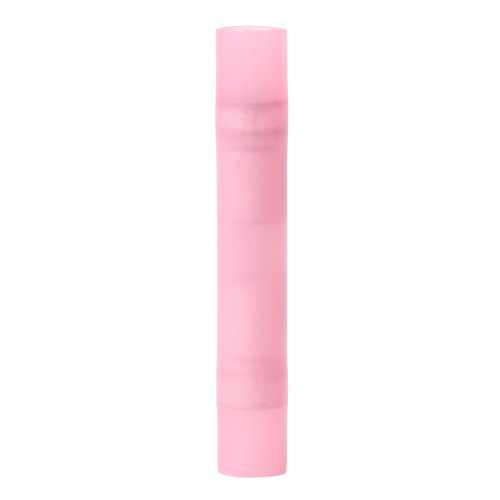
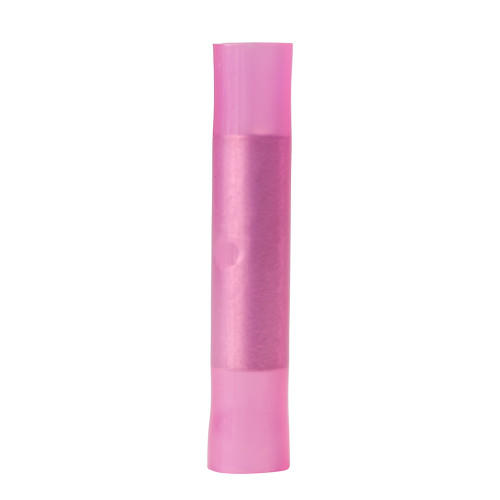
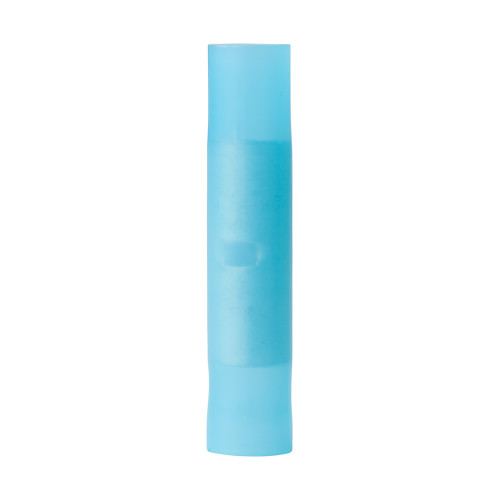
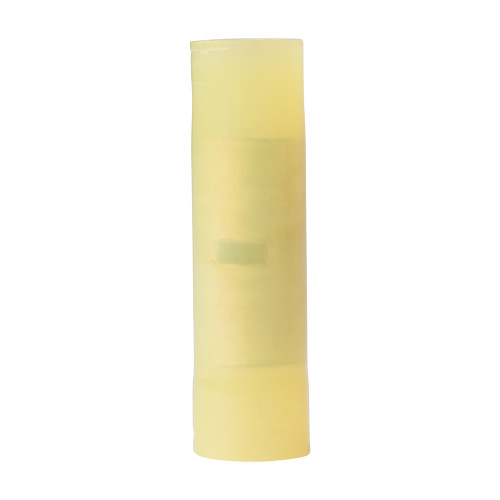
Ensure reliable electrical continuity in harsh marine environments with Ancor's single crimp butt connectors, engineered for 22-18 AWG wire. These connectors feature tinned copper barrels for superior conductivity and corrosion resistance, vital for saltwater exposure, and are UL 486C certified. Ideal for outfitting wiring harnesses on offshore fishing vessels operating in the Gulf of Mexico, their durable nylon insulation offers protection against vibration and moisture ingress.
Key Features
- Durable nylon insulation designed for harsh marine environments.
- Corrosion Resistant tinned copper barrels ensure optimal conductivity.
- Secure barrels designed to tightly grip wires with minimal effort.
- Splice-resistant nylon insulators that are easy to crimp.
- Certified to UL 486C standards for electrical safety.
- Optimized for 22-18 AWG wire gauges.
- Reliable connections for DIY and professional marine electrical work.
- Cost-Effective 100-pack for multiple installations.
Specifications
| Product Specifications | |
|---|---|
| Brand | Ancor |
| Wire Gauge | 22-18 AWG |
| Insulation Material | Nylon |
| Barrel Material | Tinned Copper |
| Quantity | 100-Pack |
| Certification | UL 486C |
Who This Is For
Marine electricians and boat owners requiring robust, corrosion-resistant electrical connections in challenging saltwater conditions. This product is also suitable for DIY enthusiasts undertaking boat repair projects who prioritize long-term reliability.
How It Compares
| Feature | Ancor 22-18 AWG Nylon Crimp Butt Connectors (100pk) | Competitor |
|---|---|---|
| Wire Gauge | 22-18 AWG | 22-18 AWG, 22-18 AWG |
| Insulation Material | Nylon | Nylon, Vinyl |
| Barrel Material | Tinned Copper | Tinned Copper, Copper |
| Quantity | 100-Pack | 100-Pack, 100-Pack |
| Marine Grade | Yes | Yes, No |
| UL Certification | UL 486C | UL 486C, Varies |
Common Concerns Answered
Are these connectors compatible with any crimping tool?
While the connectors are designed for ease of crimping, using a proper marine-grade crimping tool is recommended to ensure a secure, long-lasting connection and avoid potential failure. Non-marine grade crimpers may not provide sufficient pressure or die alignment for optimal results.
Are these connectors more expensive than standard automotive ones?
Yes, Ancor's marine-grade terminals are priced at a premium compared to generic or automotive-grade connectors. This investment is justified by their specialized construction, engineered for superior durability and corrosion resistance in harsh marine environments, which translates to greater long-term reliability and reduced maintenance.
Will these connectors corrode in saltwater?
No, these Ancor connectors feature tinned copper barrels specifically chosen for their excellent corrosion resistance in marine environments. This material, combined with durable nylon insulation, protects against the damaging effects of saltwater and humidity, ensuring signal integrity and connection longevity.
Frequently Asked Questions
What wire gauge is compatible with the Ancor 22-18 AWG Nylon Single Crimp Butt Connector?
The Ancor 22-18 AWG Nylon Single Crimp Butt Connector is specifically designed for use with wire gauges ranging from 22 AWG to 18 AWG.
Are these connectors suitable for marine environments?
Yes, these connectors are explicitly designed and engineered for harsh marine environments, featuring tinned copper barrels and durable nylon insulation to withstand corrosion and moisture.
What is the insulation material of these butt connectors?
The insulation material for these Ancor butt connectors is nylon, which offers excellent durability, resistance to splitting during crimping, and protection in marine conditions.
How many connectors are included in the Ancor 220100 pack?
The Ancor 220100 pack includes a total of 100 single crimp butt connectors.
What are the benefits of tinned copper in marine electrical connectors?
Tinned copper provides significantly improved corrosion resistance compared to bare copper, especially in the presence of saltwater and humidity. It also offers low electrical resistance, ensuring efficient current flow and minimizing voltage drop across the connection.