
Description
Ancor NMEA 2000 Male Terminator | Boat Supply Store
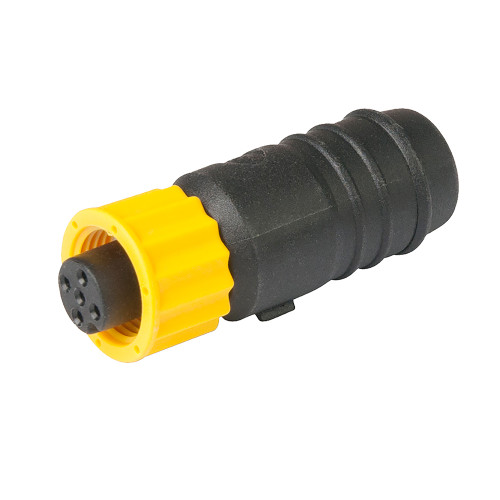
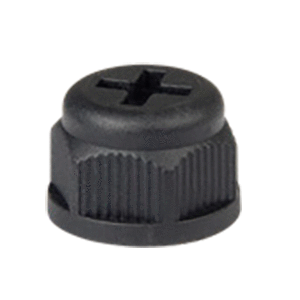
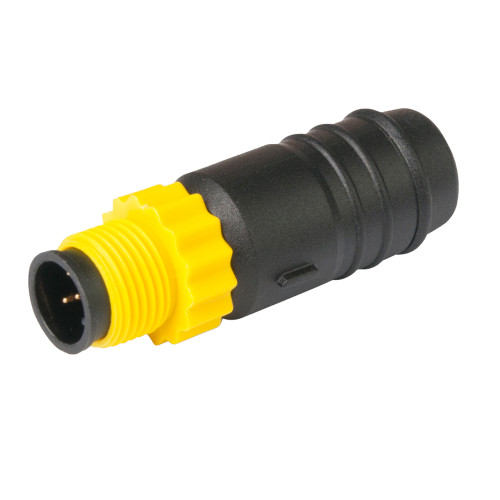
Proper termination is critical for a stable NMEA 2000 marine network, preventing signal degradation and intermittent data transmission. This Ancor NMEA 2000 Male Terminator features a universally compatible design, ensuring seamless integration with all NMEA 2000 certified devices. Its color-coded construction aids in rapid identification and simplifies installation on any vessel, from a bay boat fishing the Gulf Coast to a larger sportfisherman offshore.
Key Features
- Easy Installation with color-coded design for quick component identification.
- NMEA 2000 Approved ensuring compliance with stringent marine electronics standards.
- Universal Compatibility guaranteeing seamless integration with other manufacturers' NMEA 2000 products.
- Reliable Network Termination essential for preventing signal reflection and ensuring data integrity.
- Simplified Connectivity designed to interface directly with Ancor NMEA 2000 tees.
- Durable Construction built to withstand harsh marine environments.
- Prevents Network Instability by resolving common termination issues.
- Clear Identification reduces installation errors and troubleshooting time.
Specifications
| Product Specifications | |
|---|---|
| MPN | 270106 |
| Connector Type | Male |
| NMEA 2000 Approved | Yes |
| Color-Coded | Yes |
| Compatibility | Universal |
Who This Is For
Marine electronics installers and boat owners tasked with establishing or expanding an NMEA 2000 backbone require precise network termination. Technicians will find this terminator simplifies troubleshooting and ensures optimal data flow for all connected marine instruments.
How It Compares
| Feature | Ancor NMEA 2000 Male Terminator | Male |
|---|---|---|
| Connector Type | Male | — |
| NMEA 2000 Approved | Yes | Yes |
| Color-Coded for Installation | Yes | Not explicitly highlighted |
| Universal Compatibility Emphasis | Yes | Primarily for Garmin systems |
Common Concerns Answered
Will this terminator work with my existing non-Ancor NMEA 2000 devices?
Yes, this Ancor NMEA 2000 Male Terminator is NMEA 2000 Approved and designed for 100% universal compatibility, ensuring it functions seamlessly with other manufacturers' NMEA 2000 equipment.
I've had network issues before, how does this prevent that?
Improper termination is a common cause of NMEA 2000 network instability. This terminator is specifically engineered to correctly terminate the network, eliminating signal reflection and ensuring reliable data communication, addressing common complaints about network instability.
How do I ensure I'm using the right terminator?
This Ancor terminator features clear color-coding specifically for easy identification during installation, mitigating difficulties that can arise from unclear labeling on other components.
Frequently Asked Questions
What is the purpose of an NMEA 2000 terminator?
An NMEA 2000 terminator is installed at each end of the NMEA 2000 backbone cable to absorb the electrical signals and prevent them from reflecting back into the network, which is crucial for maintaining data integrity and preventing network errors.
How many terminators do I need for an NMEA 2000 network?
You need exactly two terminators for an NMEA 2000 network: one at each physical end of the backbone cable.
Are Ancor NMEA 2000 terminators compatible with other brands?
Yes, Ancor NMEA 2000 terminators are universally compatible and designed to work with any NMEA 2000 certified network and components from other manufacturers.
What is the difference between a male and female NMEA 2000 terminator?
The difference lies in their connector gender. Male terminators have pins and are typically used for backbone termination where a male connector is needed, while female terminators have sockets and are used in similar fashion. This Ancor product is a male terminator designed for direct connection to a backbone port or a tee with a male receptacle.
Why is proper termination important for an NMEA 2000 network?
Proper termination is vital because it prevents signal reflections that can corrupt data packets, lead to intermittent device communication, and cause overall network instability. Without correct termination, devices may not be recognized or may drop offline, impacting navigation and instrument functionality.