
Description
Ancor 14 AWG Tinned Copper Wire | Boat Supply Store
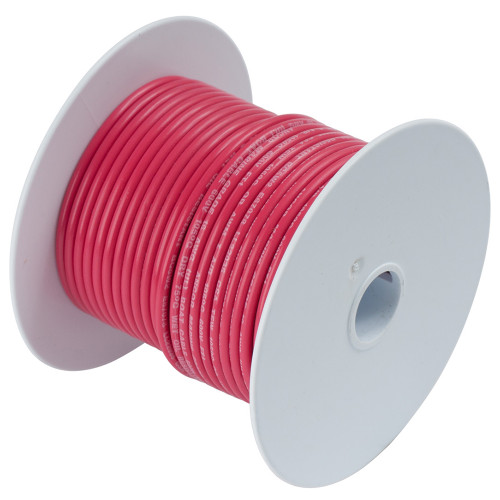
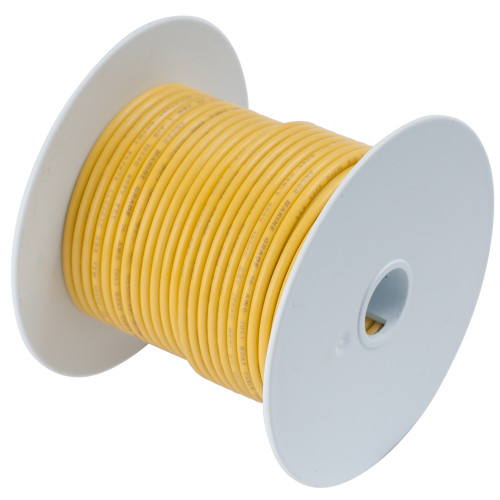
Engineered for the unforgiving marine environment, this Ancor Yellow 14 AWG Tinned Copper Wire delivers unparalleled reliability for critical electrical systems. Its construction features ultra-flexible Type 3 tinned copper stranding, providing superior resistance to corrosion and electrolysis, a common issue in saltwater environments such as the Gulf Coast. The specialized vinyl insulation is rated for 600V and can withstand temperatures up to 105°C dry and 75°C wet, ensuring consistent performance in extreme conditions found on offshore fishing vessels.
Key Features
- Exceeds UL 1426, ABYC, and US Coast Guard Charter boat standards
- Premium vinyl insulation rated at 600V, 105°C dry and 75°C wet
- Stays flexible in extreme cold (-40°F/C) for ease of installation and performance
- Resists saltwater, battery acid, oil, gasoline, heat, abrasion, and UV radiation
- Ultra-flexible (Type 3) tinned copper stranding for maximum corrosion protection
- Resists fatigue due to vibration and flexing common in marine applications
- Superior longevity and ruggedness in harsh marine environments
- Ensures reliable performance for critical boat electrical systems
Specifications
| Product Specifications | |
|---|---|
| Wire Gauge | 14 AWG |
| Length | 500' |
| Material | Tinned Copper |
| Insulation Type | Premium Vinyl |
| Voltage Rating | 600V |
| Temperature Rating (Dry) | 105°C |
| Temperature Rating (Wet) | 75°C |
| Stranding Type | Type 3 |
Who This Is For
This high-performance wire is essential for marine electricians and boat builders demanding robust electrical infrastructure. DIY boat owners requiring durable, long-lasting wiring for refits or new installations will also benefit from its superior construction.
How It Compares
| Feature | Ancor 14 AWG Tinned Copper Wire | Tinned Copper |
|---|---|---|
| Wire Gauge | 14 AWG | 14 AWG |
| Material | Tinned Copper | — |
| Insulation Temperature Rating (Dry) | 105°C | 105°C |
| Insulation Temperature Rating (Wet) | 75°C | 75°C |
| Flexibility in Cold | Stays flexible at -40°F/C | Good |
| Corrosion Resistance | High (Tinned Copper) | High |
| Standards Exceeded | UL 1426, ABYC, USCG | ABYC, UL |
Common Concerns Answered
Why is marine-grade wire more expensive than standard wire?
Ancor's Marine Grade wire utilizes premium tinned copper and specialized vinyl insulation designed to withstand harsh marine elements like saltwater, battery acid, and UV exposure. This superior construction ensures significantly longer service life and greater reliability, justifying the initial investment for critical boat systems.
Can I always find the specific Ancor wire I need?
While Ancor offers a comprehensive range, specific color or length combinations can occasionally experience temporary stock limitations due to high demand for their proven quality. It is advisable to plan ahead for projects requiring niche configurations.
Is the higher cost of Ancor wire worth it?
Absolutely. The enhanced durability, resistance to corrosion, and compliance with rigorous marine safety standards (UL 1426, ABYC, USCG) provide long-term value and peace of mind. This wire is engineered to prevent electrical failures in demanding marine environments, which can be far more costly to repair.
Frequently Asked Questions
What is the temperature rating of Ancor Yellow 14 AWG Tinned Copper Wire?
This wire has a temperature rating of 105°C in dry conditions and 75°C in wet conditions.
What standards does Ancor Marine Grade wire exceed?
Ancor Marine Grade wire exceeds UL 1426, ABYC, and US Coast Guard Charter boat standards.
Is Ancor Yellow 14 AWG Tinned Copper Wire resistant to corrosion and electrolysis?
Yes, the ultra-flexible Type 3 tinned copper stranding is specifically designed to provide maximum protection against corrosion and electrolysis.
What is the voltage rating of this wire?
The voltage rating for this wire is 600V.
What is the purpose of tinning the copper in this wire?
Tinning the copper provides a protective barrier that significantly enhances its resistance to corrosion and electrolysis, crucial for maintaining electrical integrity in a marine environment.