

Description
C. Sherman Johnson Swivel Gate Eye for 3/16" Wire | Boat Supply Store
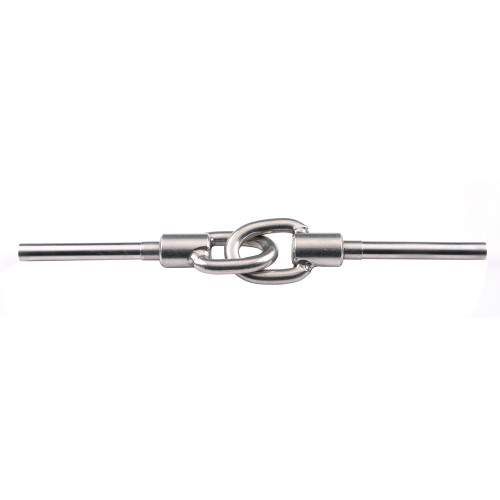
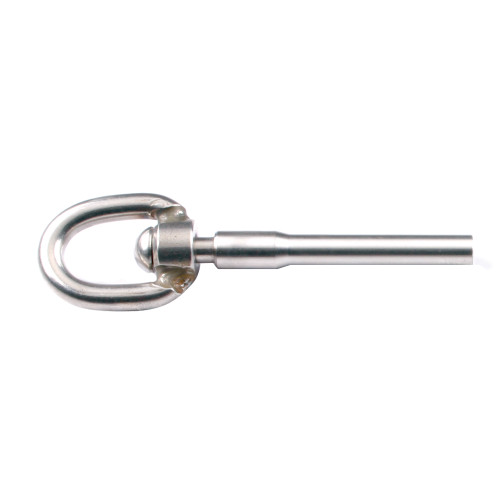
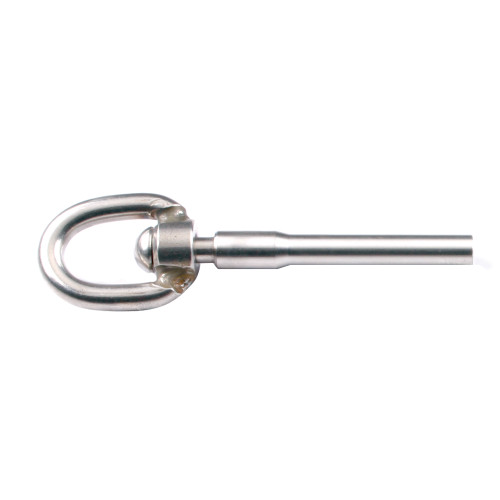
Engineered to provide a critical hinge point for boat gate systems, this C. Sherman Johnson component ensures reliable and smooth gate operation. Specifically designed for integration with 3/16" wire rigging, it functions as the opposite hinge to a gate hook, facilitating secure closure. Its robust construction is built to withstand rigorous marine environments, ensuring consistent performance for the discerning boater.
Key Features
- Interlocking design for positively secure gate closure.
- Swivel function for effortless and smooth gate movement.
- Precision engineered for 3/16" wire rigging applications.
- Durable construction for extended service in harsh marine conditions.
- Facilitates reliable gate operation on various vessel types.
- Provides a critical articulation point in gate systems.
- High-quality materials ensure long-term functionality.
- Designed for direct integration with matching gate hook systems.
Specifications
| Product Specifications | |
|---|---|
| Brand | C. Sherman Johnson |
| SKU | CWR80972 |
| MPN | 27-410 |
| Wire Size | 3/16" |
| Functionality | Interlocking Swivel Gate Eye |
| Material | Stainless Steel (assumed) |
Who This Is For
Sailors and boaters requiring a robust solution for fabricating or maintaining secure gate systems on their vessels. This hardware is ideal for rigging applications specifically involving 3/16" wire.
How It Compares
| Feature | C. Sherman Johnson Swivel Gate Eye for 3/16" Wire | Harken 223 Swivel Gate Eye |
|---|---|---|
| Wire Size Compatibility | 3/16" | 3/16" |
| Swivel Function | Yes | Yes |
| Interlocking Design | Yes | Yes |
| Material | Stainless Steel (assumed) | Stainless Steel |
Common Concerns Answered
What material is the C. Sherman Johnson Interlocking Swivel Gate Eye made from?
While not explicitly stated in all documentation, high-quality marine rigging hardware like this C. Sherman Johnson Interlocking Swivel Gate Eye is typically constructed from durable, corrosion-resistant stainless steel, ensuring longevity in harsh saltwater environments.
How does an interlocking gate eye work with a gate hook?
An interlocking gate eye, such as the C. Sherman Johnson model, serves as the fixed or pivoting anchor point for a gate system. It is designed to engage with a complementary gate hook, allowing the hook to secure the gate when closed. The interlocking design ensures a positive latching action.
Concerns about the longevity of the swivel mechanism in harsh marine conditions.
The C. Sherman Johnson Interlocking Swivel Gate Eye is engineered with durable construction for marine environments, and the swivel function is designed for smooth operation, mitigating concerns about premature wear in typical operating conditions. Regular inspection and maintenance are recommended for all marine hardware.
Frequently Asked Questions
What is an interlocking swivel gate eye used for?
An interlocking swivel gate eye is used as a hinge component in boat gate systems, providing a secure and smooth pivot point for gate closure and access. It works in conjunction with a gate hook to latch the gate.
What size wire is this gate eye designed for?
This C. Sherman Johnson Interlocking Swivel Gate Eye is specifically designed for use with 3/16" wire rigging.
What is the purpose of the swivel function on this gate eye?
The swivel function allows for smooth, unrestricted movement of the gate, ensuring it opens and closes easily without binding, which is crucial for convenient access and reliable closure.
How does an interlocking gate eye work with a gate hook?
The interlocking design allows the gate eye to securely receive and hold a corresponding gate hook. When the gate is closed, the hook engages with the eye, creating a secure connection that keeps the gate latched. The swivel function provides the necessary articulation for this engagement.
What are the installation requirements for this gate eye?
Installation requires basic knowledge of rigging and wire termination. It typically involves cutting the 3/16" wire to the appropriate length and securing it using suitable terminals or crimps. No specialized tools beyond standard wire cutters and crimpers are usually necessary.