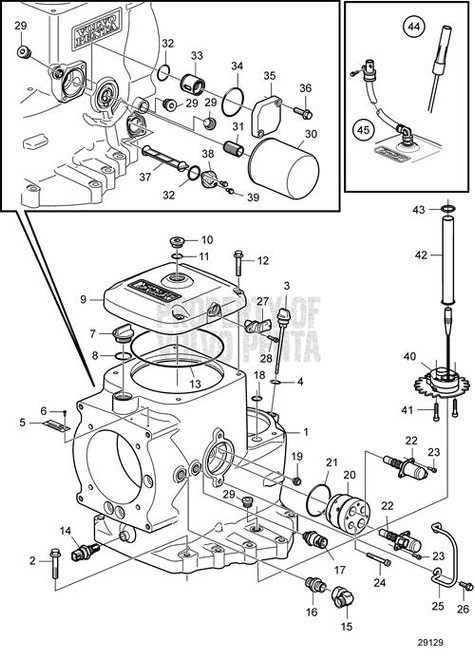


Description
Volvo Penta Engine Flange M21508795 | Boat Supply Store
This robust flange is engineered for critical seawater cooling system connections in Volvo Penta marine engines, preventing leaks and ensuring consistent coolant flow. It is constructed from durable materials with a specified bolt hole pattern to precisely interface with pump housings and engine blocks. Essential for maintaining optimal engine operating temperatures in demanding marine environments, this component is vital for the longevity of your vessel's propulsion system.
Key Features
- Seawater System Integrity maintains leak-free connections in cooling circuits.
- Genuine Volvo Penta Quality guarantees exact fitment and performance standards.
- Durable Construction withstands corrosive marine environments.
- Precise Fitment ensures seamless integration with engine and pump components.
- Corrosion Resistance prolongs component lifespan.
- Optimal Cooling Performance supports engine reliability.
- Direct Replacement for specific Volvo Penta engine models.
- Easy Installation with basic mechanical tools.
Specifications
| Product Specifications | |
|---|---|
| Bolt Hole Pattern | 4-Bolt |
| Material | Marine-Grade Alloy |
| Finish | Corrosion-Resistant Coating |
Who This Is For
This flange is designed for Volvo Penta engine owners and marine mechanics requiring a direct, high-quality replacement for a damaged or corroded seawater pump flange. It is crucial for owners who prioritize the long-term reliability and performance of their marine propulsion system.
How It Compares
| Feature | Volvo Penta Engine Flange M21508795 | Competitor |
|---|---|---|
| Bolt Hole Pattern | 4-Bolt | 4-Bolt |
| Material | Marine-Grade Alloy | Cast Iron |
| Corrosion Resistance | High | Typically less capable |
Common Concerns Answered
Will this flange fit my specific Volvo Penta engine model?
This flange (SKU M21508795) is designed for specific Volvo Penta engine applications. Please verify the part number against your engine's service manual or consult a marine technician to confirm compatibility. The 4-bolt pattern and precise dimensions ensure an exact fitment for supported models.
How do I know if my current flange needs replacement?
Signs of a failing flange include visible corrosion, cracks, water leaks around the pump housing, or reduced cooling efficiency. Regular inspection during routine engine maintenance can identify these issues before they cause catastrophic engine damage.
Is this flange as durable as the original equipment?
As a genuine Volvo Penta part, this flange is manufactured to meet the original equipment manufacturer's stringent standards for material quality, durability, and corrosion resistance, ensuring performance equivalent to the original component.
Frequently Asked Questions
What is the primary function of this engine flange?
The primary function of this flange is to create a secure, leak-free seal for the seawater cooling system, connecting the seawater pump to the engine's cooling passages and facilitating efficient water flow for heat dissipation.
What does the '4-Bolt' specification refer to?
The '4-Bolt' specification indicates that the flange utilizes four mounting bolts to secure it to the engine block or seawater pump housing, ensuring a stable and leak-proof connection.
What type of material is this flange made from, and why is it important?
This flange is constructed from a marine-grade alloy chosen for its inherent strength and superior resistance to the corrosive effects of saltwater, which is crucial for longevity in a marine environment.
Does this flange come with gaskets or mounting hardware?
This product listing is for the flange component only. Gaskets and mounting hardware are typically sold separately and should be selected based on your specific engine model's service manual recommendations.
What is the expected lifespan of this marine-grade alloy flange?
While lifespan varies based on operating conditions and maintenance, the marine-grade alloy and corrosion-resistant coating are designed to provide extended service life and resist degradation from prolonged exposure to harsh marine environments.