
Description
Garmin BlueNet 50' Marine Network Cable | Boat Supply Store
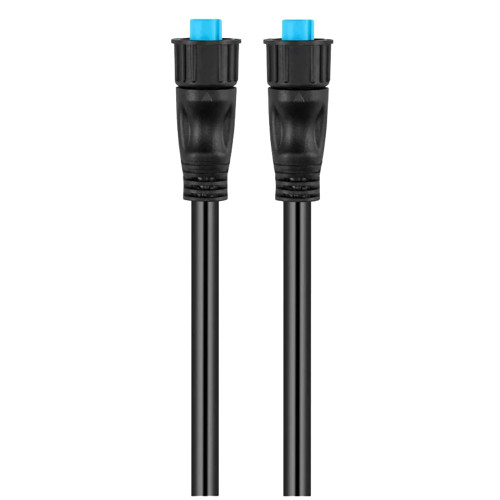
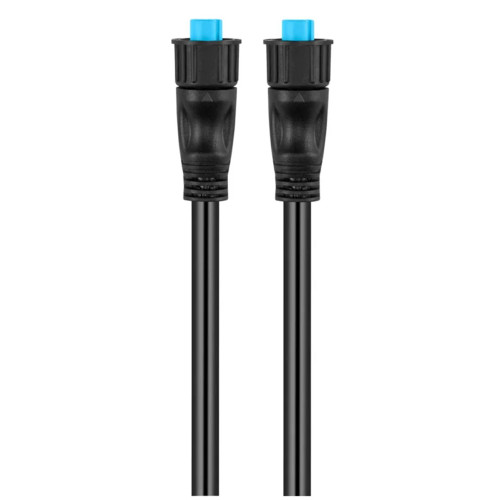
Extend your existing Garmin BlueNet™ marine network with this 50-foot, high-performance cable, specifically engineered for reliable data transmission across critical onboard electronics. This dedicated solution ensures seamless integration within the Garmin ecosystem, vital for maintaining optimal functionality of sonar, radar, and chartplotting systems on larger vessels or complex installations. The durable construction is built to withstand harsh marine environments, providing consistent performance for demanding applications.
Key Features
- Dedicated Garmin BlueNet™ network connectivity
- Extended reach for flexible system design
- Durable marine-grade construction
- Reliable data transfer for critical systems
- Seamless integration with Garmin electronics
- Optimized performance for network expansion
- Engineered for marine environments
- Simplified installation process
Specifications
| Product Specifications | |
|---|---|
| Length | 50 ft |
| Network Type | Garmin BlueNet™ |
| Connector Type | Garmin BlueNet™ Proprietary |
Who This Is For
Boat owners and marine electronics installers requiring extended connectivity within a Garmin BlueNet™ marine network. This cable is essential for users needing to integrate additional devices or relocate existing ones for optimal system performance.
How It Compares
| Feature | Garmin BlueNet 50' Marine Network Cable | Competitor |
|---|---|---|
| Length | 50 ft | — |
| Network Type | Garmin BlueNet | Raymarine RayNet, Navico Ethernet |
| Connector Type | Garmin BlueNet Proprietary | RayNet Proprietary, Navico Ethernet Proprietary |
Common Concerns Answered
Why can't I use a standard Ethernet cable?
Standard Ethernet cables are not designed for the specific signal integrity and environmental resilience required by marine networks like Garmin BlueNet™. Proprietary connectors and shielded construction ensure reliable, high-speed data transfer critical for marine electronics, which generic cables cannot guarantee.
Is this cable compatible with non-Garmin devices?
This cable is specifically engineered for Garmin BlueNet™ marine network systems. While it may physically connect to some Ethernet ports, it is not designed or guaranteed for cross-brand compatibility, and using it with non-Garmin devices can lead to unpredictable performance or system failure.
Are there other lengths available?
While this specific listing is for a 50-foot cable, availability of other lengths can vary. For alternative lengths, please consult the full product catalog or contact customer support, as Garmin offers a range of BlueNet™ cable options to suit diverse installation requirements.
Frequently Asked Questions
What is the purpose of the Garmin BlueNet™ Marine Network Cable?
The Garmin BlueNet™ Marine Network Cable is used to extend or establish connections within a Garmin BlueNet™ marine network, facilitating communication between compatible Garmin MFDs, sonar modules, radar, and other networked marine electronics.
What lengths are available for the Garmin BlueNet™ Marine Network Cable?
This specific product is a 50-foot marine network cable. Other lengths may be available from Garmin for their BlueNet™ system, depending on specific product lines and current offerings.
Is this cable compatible with older Garmin marine devices?
Compatibility with older Garmin marine devices depends on whether those devices utilize the Garmin BlueNet™ networking standard. Devices using older Garmin proprietary networks (like Garmin Marine Network) may not be directly compatible without specific adapters or firmware updates.
What type of connectors does the Garmin BlueNet™ Marine Network Cable use?
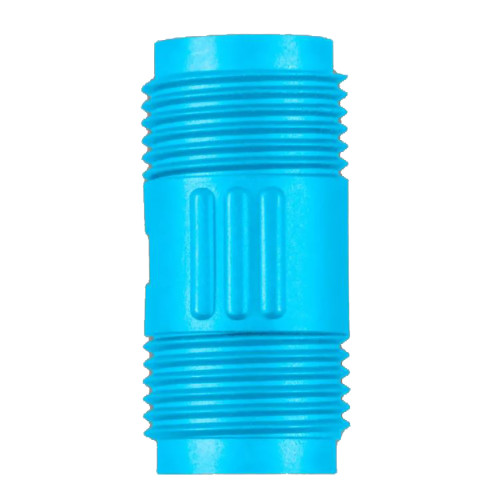
The Garmin BlueNet™ Marine Network Cable uses proprietary Garmin BlueNet™ connectors, designed specifically to ensure a secure and high-performance connection within the Garmin marine network ecosystem.
Can I use this cable for Ethernet connections on my boat?
No, this cable is specifically designed for Garmin's proprietary BlueNet™ marine network and should not be used for standard Ethernet connections. Using it outside its intended application can result in data loss, network instability, or damage to connected equipment.