
Description
Garmin Reactor 40 Steer-by-Wire Course Computer Unit | Boat Supply Store
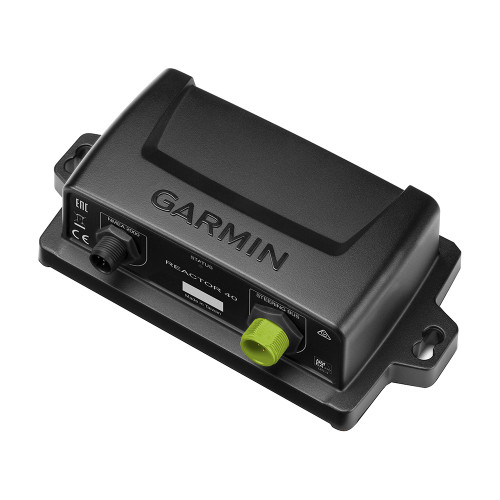
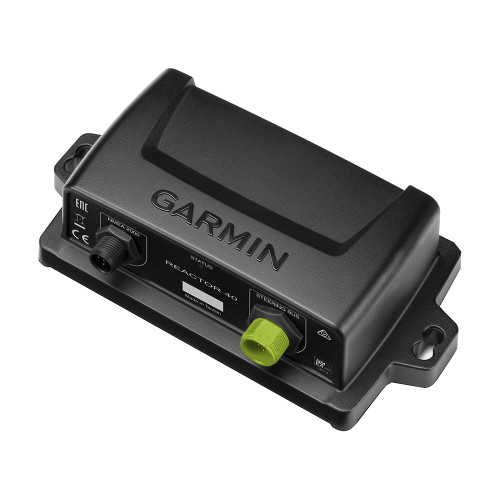
For boaters with existing steer-by-wire steering systems, this unit serves as the central processing core for the Garmin Reactor 40 autopilot. It precisely integrates heading and rate of turn sensor data, crucial for accurate course holding and maneuvers. The course computer directly interfaces with your boat's steer-by-wire actuator and the NMEA 2000 network for seamless communication with compatible Garmin displays and control heads.
Key Features
- Centralizes critical heading and rate of turn sensor data for the Reactor 40 autopilot.
- Ensures precise control by directly integrating with steer-by-wire steering systems.
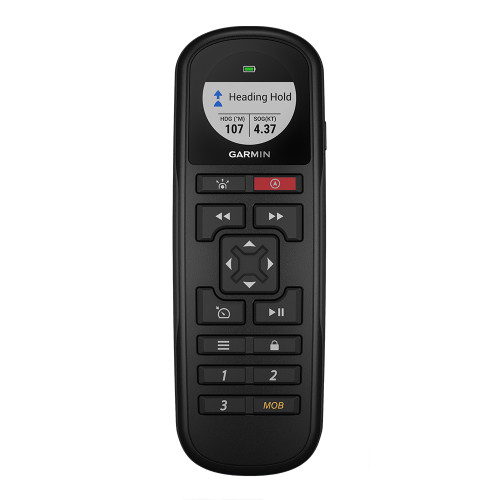
- Facilitates robust communication via NMEA 2000 to GHC 20 and other networked devices.
- Provides essential sensory input for accurate autopilot performance in various sea states.
- Acts as the brain of the Garmin Reactor 40 steer-by-wire autopilot installation.
- Streamlines integration into vessels equipped with modern electronic steering.
- Enhances navigational accuracy through real-time data processing.
- Simplifies system architecture by consolidating core autopilot functions.
Specifications
| Product Specifications | |
|---|---|
| Model | Reactor 40 Steer-by-wire Course Computer Unit (CCU) |
| Part Number | 010-11052-65 |
| Sensors Included | Heading and Rate of Turn |
| Network Connectivity | NMEA 2000 |
Who This Is For
Boat owners who have a steer-by-wire steering system and are looking to install or upgrade to the Garmin Reactor 40 autopilot. This unit is essential for providing the central processing power required for heading and turn rate data integration.
How It Compares
| Feature | Garmin Reactor 40 Steer-by-Wire Course Computer Unit | Competitor |
|---|---|---|
| Autopilot System Component | Course Computer Unit (CCU) | Course Computer Unit (CCU), Complete Autopilot System |
| Steering System Compatibility | Steer-by-wire | Hydraulic, Mechanical, Electric, Inboard, Various |
| Primary Network Protocol | NMEA 2000 | SeaTalkNG, NMEA 2000 |
Common Concerns Answered
Will this autopilot computer work with my boat's steering system?
The Garmin Reactor 40 Steer-by-wire Course Computer Unit is specifically designed for boats equipped with steer-by-wire steering systems. Ensure your existing steering actuator is compatible before purchasing.
Is integration with non-Garmin displays complicated?
While this unit connects to the NMEA 2000 network, which allows for broader compatibility, optimal integration with non-Garmin displays may require careful configuration of the NMEA 2000 network and may not offer the full suite of Garmin-specific features. Proper NMEA 2000 setup is paramount.
What is the general customer sentiment towards this autopilot component?
Customer feedback is predominantly positive, with users frequently praising its seamless integration within Garmin ecosystems and its consistent, reliable performance, particularly in applications utilizing steer-by-wire technology.
Frequently Asked Questions
What is the Garmin Reactor 40 Steer-by-wire Course Computer Unit?
It is the central processing unit, or 'brain,' of the Garmin Reactor 40 autopilot system, specifically engineered for vessels with steer-by-wire steering. It processes critical heading and rate of turn data to command the autopilot.
What does the Garmin Reactor 40 CCU do?
The CCU collects data from its internal heading and rate of turn sensors, processes this information, and sends commands through the NMEA 2000 network to the autopilot drive unit and compatible displays to maintain a set course or execute maneuvers.
What components does the Garmin Reactor 40 CCU connect to?
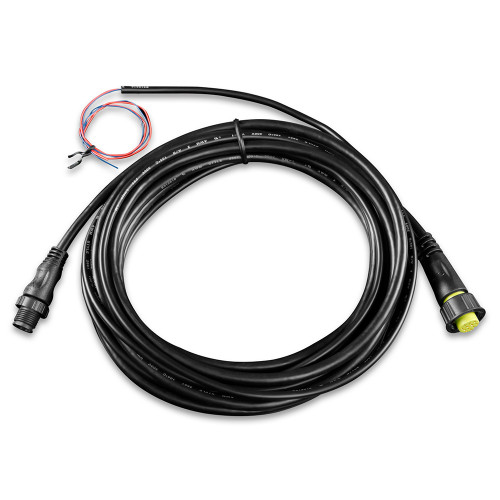
The CCU connects to the boat's steer-by-wire steering actuator for directional control, and it communicates via the NMEA 2000 network with devices such as the Garmin GHC 20 control display and other NMEA 2000-compatible marine electronics.
Is the Garmin Reactor 40 CCU compatible with all GHC displays?
The Reactor 40 CCU is designed to work with the Garmin GHC 20 and other NMEA 2000-compatible displays. Compatibility with older or non-Garmin displays will depend on their NMEA 2000 certification and implementation.
What is the purpose of the heading and rate of turn sensors in the CCU?
The heading sensor provides the current compass heading of the vessel, while the rate of turn sensor measures how quickly the vessel is turning. These two critical pieces of data are essential for the autopilot to accurately calculate and execute steering corrections for precise course holding.