
Description
GSKT DRY JOINT-RESTRICTED EMP | Boat Supply Store
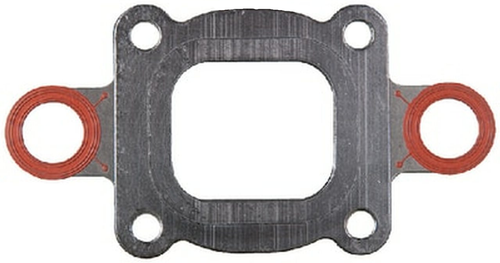
This gasket specifically addresses sealing challenges in restricted dry joint exhaust manifolds, ensuring optimal engine performance and preventing exhaust leaks. Engineered Marine Products utilizes high-grade materials designed to withstand the high temperatures and corrosive marine environment typical of engine operation. Proper installation of this component is critical for maintaining exhaust system integrity and preventing water intrusion into the engine, particularly on offshore fishing vessels operating in saltwater conditions.
Key Features
- Guarantees a tight seal for restricted dry joint exhaust manifolds.
- Engineered for superior resistance to heat and marine corrosion.
- Direct replacement for specific OEM applications, ensuring fitment.
- Prevents exhaust gas leakage, maintaining engine efficiency.
- Mitigates risk of water ingress into the engine via exhaust system.
- Constructed with durable materials for extended service life.
- Critical component for maintaining exhaust system integrity.
- Ensures reliable engine operation in demanding marine conditions.
Specifications
| Product Specifications | |
|---|---|
| Brand | ENGINEERED MARINE PRODUCTS |
| SKU | M27-14850 |
| Category | Engine |
Who This Is For
This gasket is designed for marine mechanics and boat owners performing engine maintenance on vessels equipped with restricted dry joint exhaust systems. It is ideal for those requiring a precise, durable seal for optimal exhaust system function and engine protection.
How It Compares
| Feature | GSKT DRY JOINT-RESTRICTED EMP | Sierra |
|---|---|---|
| Material | High-Temperature Composite | Reinforced Rubber |
| Intended Application | Restricted Dry Joint Exhaust | Standard Dry Joint Exhaust |
| Temperature Rating | Engineered for high exhaust temps | Standard exhaust temps |
| Corrosion Resistance | Superior Marine Grade | Good Marine Grade |
Common Concerns Answered
Will this gasket fit my specific engine model?
This gasket is designed as a direct replacement for specific restricted dry joint exhaust systems. Always verify compatibility with your engine's service manual or consult with a marine parts specialist to confirm fitment for SKU M27-14850.
How do I know if my engine has a restricted dry joint exhaust?
Restricted dry joint systems typically have specific design elements to manage exhaust flow and water separation. If your exhaust manifold has a design that limits direct water passage into the manifold when the engine is off, it is likely a restricted system.
Can I reuse my old gasket?
No, gaskets are designed for single-use applications. Reusing an old gasket will compromise the seal, leading to potential leaks and engine damage. Always install a new, correctly specified gasket like M27-14850.
Frequently Asked Questions
What is the primary function of a dry joint exhaust gasket?
A dry joint exhaust gasket's primary function is to create a watertight seal between the exhaust manifold and the exhaust riser, preventing water from flowing back into the engine cylinders when the engine is not running.
What does 'restricted' mean in the context of a dry joint exhaust system?
'Restricted' refers to a design that limits the direct flow of cooling water into the exhaust manifold itself, often employing specific port designs or internal structures to manage water and exhaust gases more effectively.
What materials are typically used for marine exhaust gaskets?
Marine exhaust gaskets are commonly made from high-temperature resistant composite materials or reinforced rubber compounds designed to withstand the extreme thermal cycles and corrosive marine environment.
How critical is the proper torque for installing this gasket?
Proper torque is critical to ensure an even and effective seal. Overtightening can deform the gasket or mounting surface, while undertightening will result in leaks. Always refer to the manufacturer's specifications for torque values.
What are the consequences of a leaking exhaust gasket?
A leaking exhaust gasket can lead to exhaust gas intrusion into the engine compartment, reduced engine performance due to pressure loss, and potential water intrusion into the engine, causing severe internal damage and corrosion.