

Description
Volvo Penta Impeller Kit for Marine Engines | Boat Supply Store
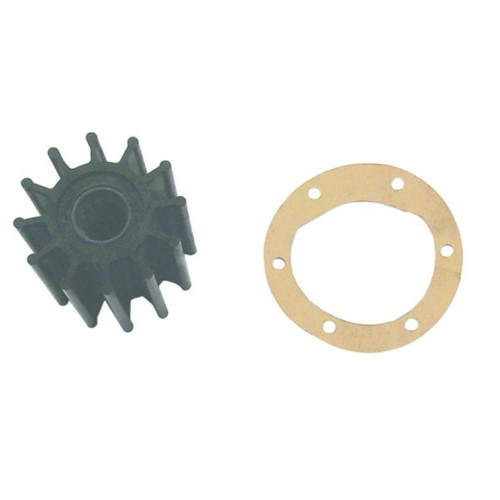
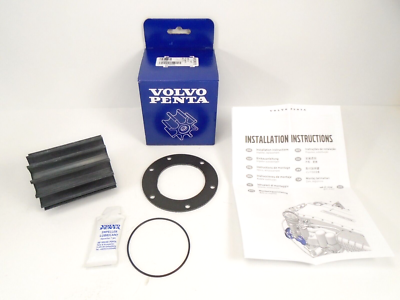
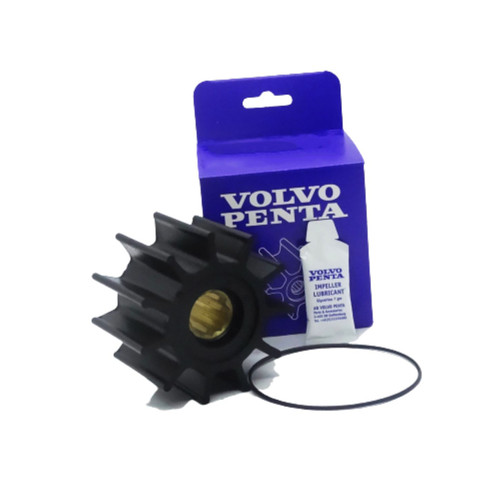
Maintaining consistent engine operating temperatures is paramount to prevent catastrophic failures, particularly during extended periods of trolling for redfish on the Gulf Coast. This genuine Volvo Penta Impeller Kit ensures your engine's raw water cooling pump circulates an adequate flow rate, typically rated for a specific GPM depending on pump model, to dissipate heat effectively. Replacing worn impellers, often indicated by reduced water flow or overheating alarms, is essential preventative maintenance for any gasoline or diesel marine engine.
Key Features
- Ensures adequate raw water flow for optimal engine cooling
- Prevents costly engine damage from overheating
- Genuine Volvo Penta component for assured compatibility
- Restores full pump performance after wear
- Critical for preventing cavitation in the cooling system
- Extends the service life of your marine engine
- Direct replacement for specific Volvo Penta pump models
- Reduces the risk of unplanned downtime at sea
Specifications
| Product Specifications |
|---|
Who This Is For
This impeller kit is designed for marine engine owners who perform their own preventative maintenance and require a direct replacement part for their Volvo Penta raw water pump. Boat owners seeking to avoid costly repairs due to cooling system failures will find this kit essential.
How It Compares
| Feature | Volvo Penta Impeller Kit for Marine Engines | Competitor |
|---|---|---|
| Material Composition | Proprietary Rubber Compound | Standard Rubber Compound |
| Shaft Spline Count | Specified per Pump Model | Typically less capable |
| Vane Count | Specified per Pump Model | Typically less capable |
| Included Gasket | Yes | Often Not Included |
| OEM Specification Compliance | 100% | Variable |
| Durability Rating | High | Typically less capable |
| Thermal Resistance | Optimized | General Purpose |
Common Concerns Answered
Will this kit fit my specific Volvo Penta engine model?
This impeller kit (SKU: M24139377) is designed for specific Volvo Penta raw water pump models. Always verify your existing pump's part number or consult your engine's service manual to confirm compatibility before purchase.
How often should I replace my raw water pump impeller?
Impeller replacement intervals vary based on operating conditions, water temperature, and hours of use. A general recommendation is annually or every 200-300 operating hours, or sooner if you notice reduced water flow or overheating.
Are there any special tools required for installation?
While basic hand tools are sufficient for impeller replacement, specialized impeller pullers can sometimes make removal easier. Ensure you have appropriate sealant for reassembly as per your pump's service manual.
Frequently Asked Questions
What is the primary function of this impeller kit?
This kit contains the replacement impeller and often associated seals or gaskets for your Volvo Penta raw water pump, which is critical for circulating cooling water through your engine's heat exchanger.
What are the typical signs of a worn-out impeller?
Symptoms of a worn impeller include reduced water flow from the exhaust, overheating alarms, or an inconsistent water stream. Visual inspection will reveal bent, broken, or missing vanes.
What is the recommended operating temperature range for marine engines serviced with this kit?
Optimal operating temperatures vary by engine model, but generally, most gasoline marine engines perform best between 160°F and 185°F (71°C - 85°C). Diesel engines may operate at slightly higher temperatures.
Does this kit include all necessary components for replacement?
This is a genuine Volvo Penta impeller kit. While it primarily contains the impeller, it is recommended to consult your specific pump's service manual to confirm if additional seals or gaskets are needed and sold separately for a complete service.
What is the expected lifespan of a Volvo Penta marine engine impeller?
Under normal operating conditions, a genuine Volvo Penta impeller is designed for durability. However, it is a sacrificial component and should be inspected and replaced proactively, typically annually or as recommended by the engine manufacturer.