
Description
Pacer 1/2" Red Battery Cable Heat Shrink Tubing | Boat Supply Store
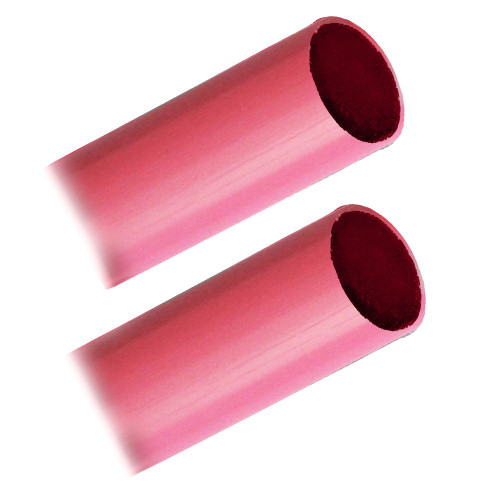
Protect critical marine battery cable connections from the harsh elements with this Pacer heavy-wall heat shrink tubing. Its internal thermoplastic liner, which encapsulates when heated above 120°C, forms a robust seal that provides superior adhesive and mastic protection against moisture ingress and corrosive environments common on saltwater vessels. The tubing's heavy-wall construction offers excellent resistance to physical damage, making it ideal for safeguarding connections on offshore fishing boats or any craft exposed to constant spray.
Key Features
- Superior Corrosion & Moisture Protection: Adhesive liner creates a complete environmental seal.
- Heavy-Wall Construction: Offers exceptional abrasion and impact resistance for durability.
- Broad Adhesion Compatibility: Thermoplastic liner bonds to PVC, neoprene, polyolefin, EPR, steel, and aluminum.
- Excellent Electrical Insulation: Provides robust dielectric strength for safe connections.
- Strain Relief Properties: Mitigates mechanical stress on cable terminations.
- Easy Application: Shrinks rapidly and uniformly when heated above 120°C.
- Chemically Resistant: Withstands acids, alkalis, fuels, oils, and solvents.
- MIL-SPEC Compliance: Meets MIL-I-23053/15 Class 2 for proven performance.
Specifications
| Product Specifications | |
|---|---|
| Brand | Pacer |
| Diameter | 1/2" |
| Length | 12" |
| Color | Red |
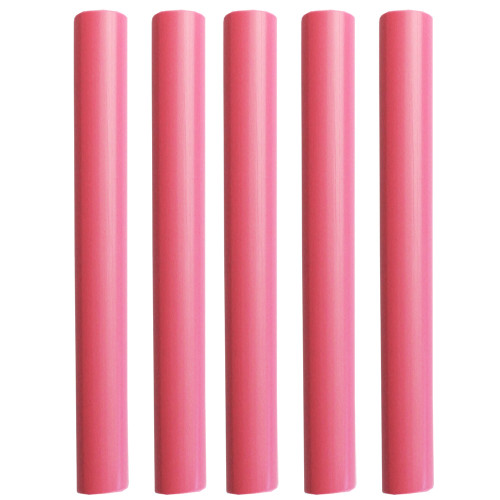
| Quantity | 5-Pieces |
| Construction | Heavy Wall |
| Liner Type | Thermoplastic Adhesive |
| Shrink Temperature | >120°C |
| Certifications | MIL-I-23053/15 Class 2 |
Who This Is For
Marine technicians and boat owners requiring reliable, long-lasting protection for electrical connections in corrosive saltwater environments. DIYers and electrical contractors will also benefit from its ease of installation and robust sealing capabilities.
How It Compares
| Feature | Pacer 1/2" Red Battery Cable Heat Shrink Tubing | Raychem ATUM |
|---|---|---|
| Wall Thickness | Heavy Wall | Standard Wall |
| Adhesive Lined | Yes | Yes |
| Color | Red | Black |
| Length | 12 inches | — |
Common Concerns Answered
Is the shrinkage temperature a concern for my heat source?
This Pacer tubing requires temperatures over 120°C for optimal shrinkage, which may necessitate a more robust heat gun or torch compared to lower-temperature options. Ensure your heat source can reliably reach and maintain this temperature for proper sealing.
Are other color options available for this heavy-wall tubing?
While red is readily available for this specific heavy-wall model, limited availability for other colors might exist, impacting your ability to color-code wiring systems beyond this offering.
Is this tubing a good value despite the price?
The slightly higher price point is justified by its heavy-wall construction and superior adhesive lining, offering enhanced durability and protection essential for critical marine applications where failure is not an option.
Frequently Asked Questions
What is the operating temperature range for this heat shrink tubing?
While the minimum shrink temperature is above 120°C, specific continuous operating temperature ranges are not detailed in the provided specifications but are designed for demanding marine environments.
What types of wire insulation is this tubing compatible with?
The internal thermoplastic liner adheres effectively to PVC, neoprene, polyolefin, and EPR insulated wires, as well as directly to steel and aluminum conductors.
Can this heat shrink tubing be used for direct burial applications?
Its excellent resistance to moisture and contaminants suggests suitability for protected direct burial applications, but it is primarily designed for exposed electrical connections on vessels.
What is the minimum shrink temperature for this tubing?
The minimum temperature required to initiate shrinkage for this Pacer tubing is over 120°C.
How does the adhesive liner provide environmental protection?
Upon heating, the thermoplastic adhesive liner melts and flows, encapsulating the connection. This creates a robust barrier that prevents moisture, salt, dirt, and other contaminants from reaching the conductor and the underlying insulation, thereby inhibiting corrosion and electrical degradation.