
Description
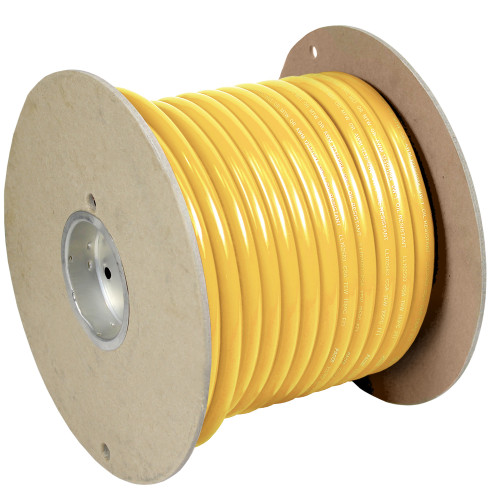
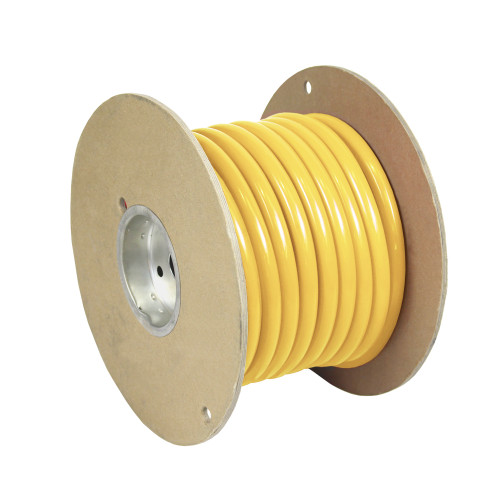
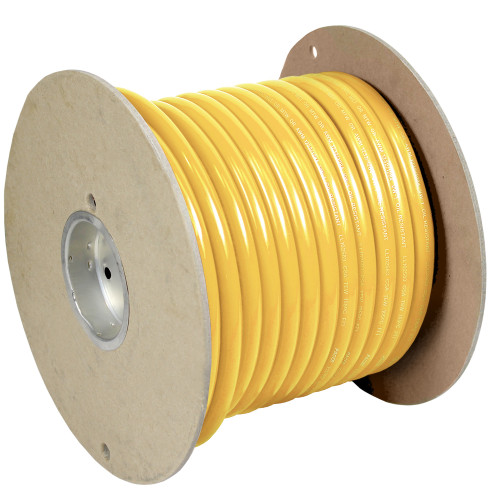
Pacer 2 AWG Battery Cable - 100' Yellow | Boat Supply Store
Constructed for reliable power transfer in severe maritime environments, this Pacer 2 AWG battery cable ensures consistent performance when it matters most. Its Type III tinned copper conductor provides exceptional corrosion resistance, while the durable PVC jacket withstands abrasion and environmental factors, boasting a temperature rating of 105°C Dry. This cable is engineered to meet stringent UL specifications, making it suitable for primary engine starting circuits or high-demand accessory power on offshore fishing vessels operating in the Gulf of Mexico.
Key Features
- UL-approved for assured marine compliance
- Manufactured in the USA for superior quality control
- Corrosion-resistant Type III tinned copper conductor
- Durable and pliable PVC jacket for ease of handling
- Easy to strip, bend, and route during installation
- Excellent flexibility without compromising toughness
- Resistant to marine contaminants including oil and gasoline
- High voltage rating of 600V for demanding applications
Specifications
| Product Specifications | |
|---|---|
| Length | 100-foot roll |
| AWG Size | 2 AWG |
| Color | Yellow |
| Conductor Material | Tinned copper (ASTM B172 Class K) |
| Insulation Material | Flexible PVC |
| Temperature Rating (Dry) | 105°C |
| Temperature Rating (Wet) | 75°C |
| Temperature Rating (Oil) | 60°C |
| Voltage Rating | 600V |
| Resistance | Acid, Alkali, Abrasion, Flame, Gasoline, Oil, and Moisture |
Who This Is For
Marine enthusiasts and professional marine electricians requiring high-capacity, durable battery cable for critical power systems. This cable is ideal for boat owners demanding long-term reliability in harsh saltwater conditions.
How It Compares
| Feature | Pacer 2 AWG Battery Cable - 100' Yellow | Competitor |
|---|---|---|
| Conductor Material | Annealed fine stranded tinned copper ASTM B172 Class K | Tinned Copper |
| AWG Size | 2 AWG | 2 AWG |
| Length | 100 ft | — |
| Jacket Material | Flexible, Color Coded PVC | PVC |
| Temperature Rating (Dry) | 105°C | 105°C |
| Voltage Rating | 600V | 600V |
| Resistance | Acid, Alkali, Abrasion, Flame, Gasoline, Oil, and Moisture | Oil, Gasoline, Acid, Alkalis, Abrasion, Moisture |
Common Concerns Answered
I've heard shipping can be an issue sometimes. Is this a product defect?
Occasional shipping delays are not specific to this product's quality or manufacturing. We work diligently to ensure prompt delivery of all orders.
Why is marine-grade cable more expensive than standard electrical wire?
The initial cost reflects the specialized construction, including tinned copper for superior corrosion resistance, a robust PVC jacket engineered for marine environments, and stringent UL approvals, all contributing to significantly longer service life and safety.
How does this cable's flexibility compare to its durability?
This Pacer cable achieves a superior balance, offering exceptional flexibility due to its fine-stranded conductor and pliable PVC jacket, while maintaining robust durability and resistance to abrasion and environmental factors essential for marine applications.
Frequently Asked Questions
What is the temperature rating for Pacer Yellow 2 AWG Battery Cable?
The Pacer Yellow 2 AWG Battery Cable has a temperature rating of 105°C in dry conditions, 75°C in wet conditions, and 60°C when exposed to oil.
What type of copper is used in Pacer's 2 AWG Marine Battery Cable?
Pacer's 2 AWG Marine Battery Cable utilizes a Type III tinned copper conductor, specifically conforming to ASTM B172 Class K standards for enhanced corrosion resistance.
Is Pacer Yellow 2 AWG Battery Cable resistant to oil and gasoline?
Yes, the Pacer Yellow 2 AWG Battery Cable is engineered to be resistant to gasoline, oil, as well as acid, alkali, abrasion, flame, and moisture.
What is the voltage rating of this Pacer battery cable?
This Pacer battery cable is rated for a maximum voltage of 600V, making it suitable for a wide range of marine electrical systems.
What makes this Pacer battery cable flexible yet tough?
Its flexibility stems from the fine-stranded, Type III tinned copper conductor and a pliable PVC jacket, while its toughness is derived from the robust construction and the inherent durability of the PVC material, offering resistance to abrasion and environmental damage.