

Description
Pacer 4/0 AWG Battery Cable - 25' Yellow | Boat Supply Store
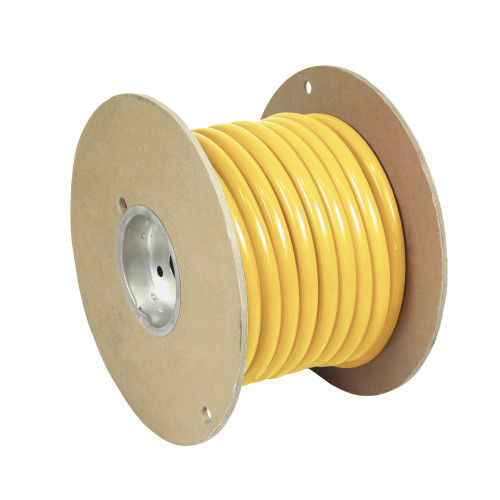
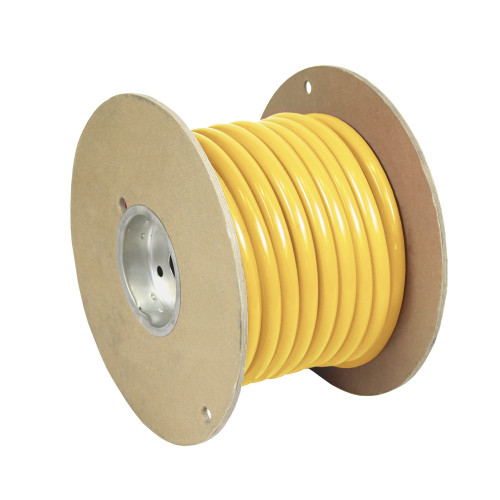
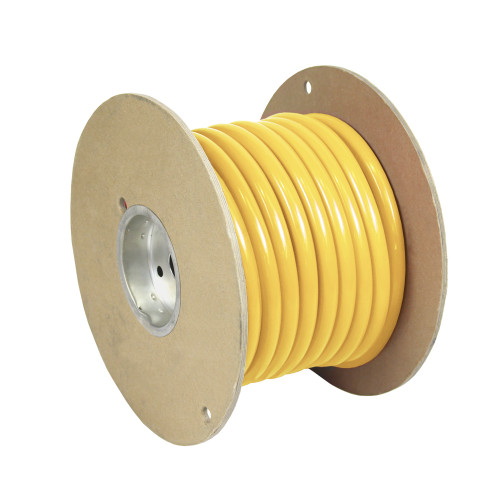
Designed for high-amperage marine DC power distribution, this Pacer 4/0 AWG battery cable ensures reliable energy transfer in demanding saltwater environments. Its Type III tinned copper conductor (ASTM B172 Class K) provides exceptional resistance to corrosion, while the flexible yet robust PVC jacket withstands temperatures up to 105°C dry and offers resistance to oil, gasoline, and moisture. This 25-foot yellow cable is ideal for powering large trolling motors on offshore fishing platforms or high-output battery banks on cruising vessels.
Key Features
- UL-approved marine cable for assured safety and performance.
- Manufactured in the USA ensuring stringent quality control.
- Flexible yet tough construction for ease of routing and durability.
- Type III tinned copper conductor delivers superior corrosion resistance.
- Durable and flexible PVC jacket protects against environmental hazards.
- Easy to strip, bend, and route simplifying installation processes.
- Resistant to Acid, Alkali, Abrasion, Flame, Gasoline, Oil, and Moisture for extended service life.
- High-voltage rating of 600V suitable for critical electrical systems.
Specifications
| Product Specifications | |
|---|---|
| length | 25' |
| gauge | 4/0 AWG |
| color | Yellow |
| conductor_type | Type III tinned copper (ASTM B172 Class K) |
| insulation_material | PVC |
| temperature_rating_dry | 105°C |
| temperature_rating_wet | 75°C |
| temperature_rating_oil | 60°C |
| voltage_rating | 600V |
| resistance_properties | Acid, Alkali, Abrasion, Flame, Gasoline, Oil, and Moisture |
| approval_standard | UL-approved marine cable |
Who This Is For
Marine enthusiasts and boat owners requiring robust, high-capacity wiring for critical power systems, as well as marine technicians performing professional installations and repairs.
How It Compares
| Feature | Pacer 4/0 AWG Battery Cable - 25' Yellow | Competitor |
|---|---|---|
| Gauge | 4/0 AWG | 4/0 AWG |
| Length | 25 ft | — |
| Conductor Material | Tinned Copper (Type III, ASTM B172 Class K) | Tinned Copper |
| Insulation Material | PVC | PVC |
| Color | Yellow | Red |
| Voltage Rating | 600V | 600V |
| Temperature Rating (Dry) | 105°C | 105°C |
| Resistance | Acid, Alkali, Abrasion, Flame, Gasoline, Oil, Moisture | Oil, Gasoline, Acid, Alkalis, Moisture, UV |
Common Concerns Answered
Is this cable durable enough for harsh marine conditions?
Absolutely. Pacer's 4/0 AWG cable features a durable PVC jacket resistant to acid, alkali, abrasion, flame, gasoline, oil, and moisture, ensuring longevity in challenging marine environments.
What makes this battery cable's copper superior?
This cable utilizes Type III tinned copper conductor (ASTM B172 Class K), which significantly enhances corrosion resistance compared to bare copper, crucial for maintaining conductivity in saltwater exposure.
Is this cable certified for marine use?
Yes, it is UL-approved, meeting rigorous safety and performance standards specifically for marine electrical applications, providing peace of mind for critical systems.
Frequently Asked Questions
What is the temperature rating for Pacer Yellow 4/0 AWG Battery Cable?
The Pacer Yellow 4/0 AWG Battery Cable has a temperature rating of 105°C Dry, 75°C Wet, and 60°C in oil.
Is Pacer Yellow 4/0 AWG Battery Cable resistant to oil and gasoline?
Yes, the PVC jacket of the Pacer Yellow 4/0 AWG Battery Cable is resistant to oil and gasoline, as well as acid, alkali, abrasion, flame, and moisture.
What type of copper is used in Pacer Yellow 4/0 AWG Battery Cable?
Pacer Yellow 4/0 AWG Battery Cable uses a Type III tinned copper conductor, conforming to ASTM B172 Class K specifications.
What is the voltage rating for Pacer Yellow 4/0 AWG Battery Cable?
The Pacer Yellow 4/0 AWG Battery Cable is rated for 600V.
What are the benefits of using tinned copper in battery cables?
Tinned copper offers superior corrosion resistance compared to bare copper, which is essential for maintaining conductivity and ensuring the longevity of electrical connections in harsh marine environments.