

Description
Tecnoseal Anode Kit for Mercury Bravo 1 | Boat Supply Store
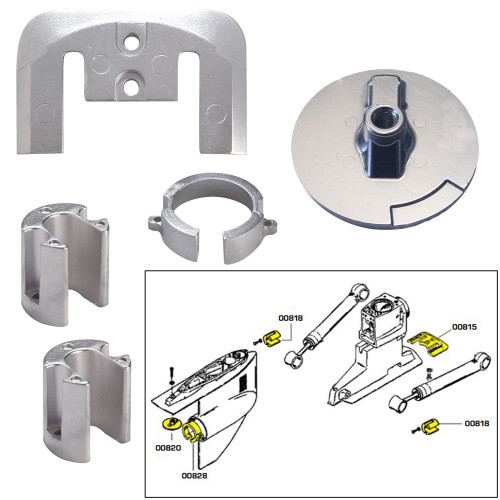
Safeguard your Mercury Bravo 1 sterndrive from the detrimental effects of galvanic corrosion with this essential Tecnoseal aluminum anode kit. This sacrificial protection system is engineered to corrode preferentially, shielding more critical, expensive drivetrain components from premature failure. The kit includes precisely matched components: (1) 00815AL, (1) 00820AL, (1) 00828AL, and (2) 00818AL, all fabricated from durable aluminum for robust performance in saltwater or brackish environments common along the Texas coast.
Key Features
- Proactively prevents galvanic corrosion on your Mercury Bravo 1
- Sacrificially protects vital sterndrive components
- Complete kit includes all necessary mounting hardware
- Durable aluminum construction for extended service life
- Specifically engineered for Mercury Bravo 1 sterndrives
- Premium quality from trusted marine brand Tecnoseal
- Straightforward installation process
- Reliable solution for marine corrosion control
Specifications
| Product Specifications | |
|---|---|
| Brand | Tecnoseal |
| Material | Aluminum |
| MPN | 20803AL |
| Drive Compatibility | Mercury Bravo 1 |
| Contents | (1) 00815AL, (1) 00820AL, (1) 00828AL, (2) 00818AL |
Who This Is For
Boat owners operating Mercury Bravo 1 sterndrives who are actively seeking to mitigate galvanic corrosion. This kit ensures the longevity and optimal performance of their marine propulsion system.
How It Compares
| Feature | Tecnoseal Anode Kit for Mercury Bravo 1 | Sierra International 18 |
|---|---|---|
| Material | Aluminum | Aluminum, Aluminum |
| Drive Compatibility | Mercury Bravo 1 | Mercury Bravo I, II, III (some models), Mercury Bravo I, II, III |
| Hardware Included | Yes | Yes, Yes |
Common Concerns Answered
I'm concerned about aluminum anodes wearing out too quickly.
Aluminum anodes offer excellent protection in a wide range of water conditions, including saltwater. While they may corrode faster than zinc in specific highly corrosive environments, their rate of consumption is a direct indicator of effective protection for your sterndrive. Regular inspection and timely replacement based on wear are key to maximizing their lifespan and protective function.
Are anode replacement procedures complicated?
While the kit includes hardware, proper identification of anode locations and secure attachment are crucial. Basic mechanical aptitude and common tools are required. Consulting your Mercury Bravo 1 service manual is recommended for first-time installers to ensure correct procedure and torque specifications.
I have trouble finding the exact anode for my sterndrive model.
This Tecnoseal Anode Kit is specifically engineered for Mercury Bravo 1 sterndrives, ensuring precise fitment and optimal galvanic protection for your specific application. Always confirm your sterndrive model before purchase to guarantee compatibility.
Frequently Asked Questions
What is an anode kit and why is it important for my Mercury Bravo 1 sterndrive?
An anode kit consists of sacrificial metal components designed to corrode instead of your sterndrive's more critical metal parts. For your Mercury Bravo 1, it's crucial for preventing galvanic corrosion, which occurs when dissimilar metals are immersed in an electrolyte (like saltwater), leading to premature pitting and failure of the drive.
What material is this Tecnoseal anode kit made of?
This Tecnoseal anode kit is constructed from aluminum, a material chosen for its effective sacrificial properties in marine environments.
Is hardware included with this Tecnoseal anode kit?
Yes, this Tecnoseal anode kit includes all necessary hardware required for a straightforward installation.
How do I know if my Mercury Bravo 1 needs a new anode kit?
Regular visual inspection is key. If your current anodes are significantly eroded (more than 50% consumed), show signs of pitting, or are loose, it's time for replacement. A worn anode can no longer provide adequate protection.
What is the lifespan of an aluminum anode for a Mercury Bravo 1?
The lifespan varies significantly based on water salinity, pH, temperature, and the presence of stray electrical currents. In typical saltwater conditions, aluminum anodes may need replacement annually or biennially, but regular inspection is the definitive method to determine wear.